Wednesday, May 6, 2026
No menu items!
spot_img
Home Blog Page 766

Malawi Law Society says Nankhuni never embezzled money from his clients

0

By Linda Kwanjana

Malawi Law Society (MLS) has distanced itself from claims which some quarters are alleging that Lawyer Gift Nankhuni embezzled money from his client the allegations which are emanating from the press release issued by the Malawi Law Society.

In an exclusive interview Honorary Secretary Gabriel Chembezi while responding to a question “Did Mr Nankhuni embezzle the sum of Mk477, 805, 833.33?”

This is what Counsel Chembezi had said.

“No, he did not embezzle the sum of MK477,895,833.33. He failed to invite the rest of the individuals before making the payment as agreed,” Says Chembezi in his response.

Gift Nankhuni


Asked further on what were the actual charges in the matter in terms of facts that Counsel Gift Nankhuni had committed.

This is what Chembezi said again in verbatim.

“Mr. Nankhuni was representing MR Saliyeti Kanyamula in a court matter registered as Civil Cause Number 905 of 2013: Saliyeti Kanyamula vs Attorney General (Regional Commissioner for Lands-Centre) where the Malawi Government was accused of repossessing land belonging to Mr. Kanyamula without compensation. Mr. Nankhuni successfully represented Mr. Kanyamula and the High Court ordered the Attorney General to pay compensation to Mr. Kanyamula. Before payment was made by the Malawi Government to Mr. Kanyamula, Mr. Nankhuni was informed that Mr. Kanyamula was a representative of other 14 individuals who were victims having lost their land due to the repossession without compensation. Mr. Kanyamula reques5ted that the other individuals should be added as parties to the case. Mr. Nankhuni advised them that it would not be possible since judgment was already delivered in favour of Mr. Kanyamula. However, Mr. Nankhuni agreed that once payment was received from the Attorney General, he would invite the other interested parties to receive their payment. When the Attorney General made the payment, Mr. Nankhuni only paid Mr. Kanyamula and did not inform the other individuals. Mr Kanyamula failed to pay the money to the other individuals. The individuals lost their land and did not receive any compensation.

On the summary Nankhuni paid all the finances to the beneficiary but when the Attorney General made the payment, Mr. Nankhuni only paid Mr. Kanyamula and did not inform the other individuals.

Mr Kanyamula failed to pay the money to the other individuals.

The whole charges are actually different from the particulars that Mr Nankhuni was charged with as per the findings of the Disciplinary hearing which were provided to us on request from the Honorary Secretary which were as follows;

1. You were engaged by the complainants and Saliyeti Kanyamula (deceased) as inhabitants
of Kuliyani Village, Traditional Authority Chitukula in Lilongwe District to represent them
in a matter in which they were seeking compensation from the Malawi Government.
2. Your firm commenced an action registered as Civil Cause Number 905 of 2013: Saliyeti Kanyamula vs Attorney General (Regional Commissioner for Lands-Centre). The
summons only indicated Saliyeti Kanyamula as the plaintiff only when he was acting as
the representative of Kuliyani Village, a fact which was disclosed to you.
3. The claim was successful and the plaintiff was paid the sum of MK725,000,000.00 in 2020.
Since the complainants were not included as parties to court case, the compensation was only paid to Saliyeti Kanyamula and they did not benefit in any way.

Asked if at all  Counsel Nankhuni was convicted of factual allegations that he was charged with MLS says yes, Mr. Nankhuni was found guilty of the charges levelled against him that is why the Disciplinary Committee has suspended him and has ordered that he should pay the other individuals the sum of MK477,895,833.33.

On why was the suspension which involves huge sum of money was only for six months?

MLS says the Disciplinary Committee considered the totality of the evidence and the conduct of Mr. Nankhuni in the handling of the matter.

“Apart from failing to honour the agreement to invite the rightful individuals before making payment to Mr. Kanyamula and failing to pay the rightful individuals the money, Mr. Nankhuni’s conduct of the matter was within the acceptable professional standards,” says the Honorary Secretary.

This appears contrary interms of issues of payment as in the findings of the Disciplinary Committee Mr Nankhuni was said to be guilty as follows.

“Findings of the Committee:
The Committee found you guilty on the following charges:
1. Fraudulent or improper conduct in the discharge of your professional duty contrary to
Section 89(2)(b) of the LELPA. Having been informed by Mr Kanyamula that he was
representing other people before payment was made to Mr Kanyamula, you failed to protect the interests of the complainants when you paid Mr Kanyamula all the
compensation without first notifying the complainants.
2. Engaging in misconduct that brings the profession of the law into disrepute contrary to Sections 89(2)() of the LELPA. Having been informed by Mr Kanyamula that he was representing other people before payment was made to Mr Kanyamula, you failed to protect the interests of the complainants when you paid Mr Kanyamula all the compensation without first notifing the complainants,” reads the MLS findings on the matter.

Meanwhile , MLS says the matter  was not   referred to the Director of Public Prosecution (DPP) or the Police for further investigations and actions because Mr Nankhuni did not steal or embezzle the money of the complainants.

“Therefore, the Disciplinary Committee did not deem it appropriate to refer the matter to the Director of Public Prosecutions as there were no elements of criminality in the conduct of Mr. Nankhuni,” says Chembezi.

Meanwhile Nankhuni is on suspension for 6 months and this is untill July this year.

The findings of the Disciplinary committees and the enquiry as provided by the Honorary Secretary are attached as follows.
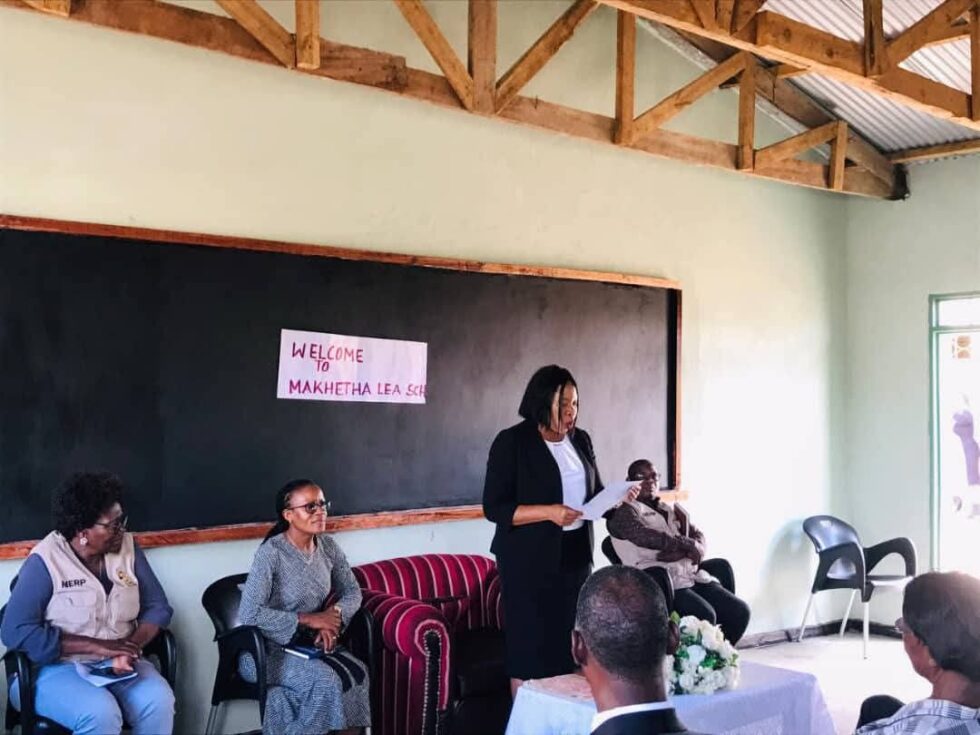
Minister Hails New Classroom Blocks at Makhetha Primary School

0

By Shaffie A Mtambo

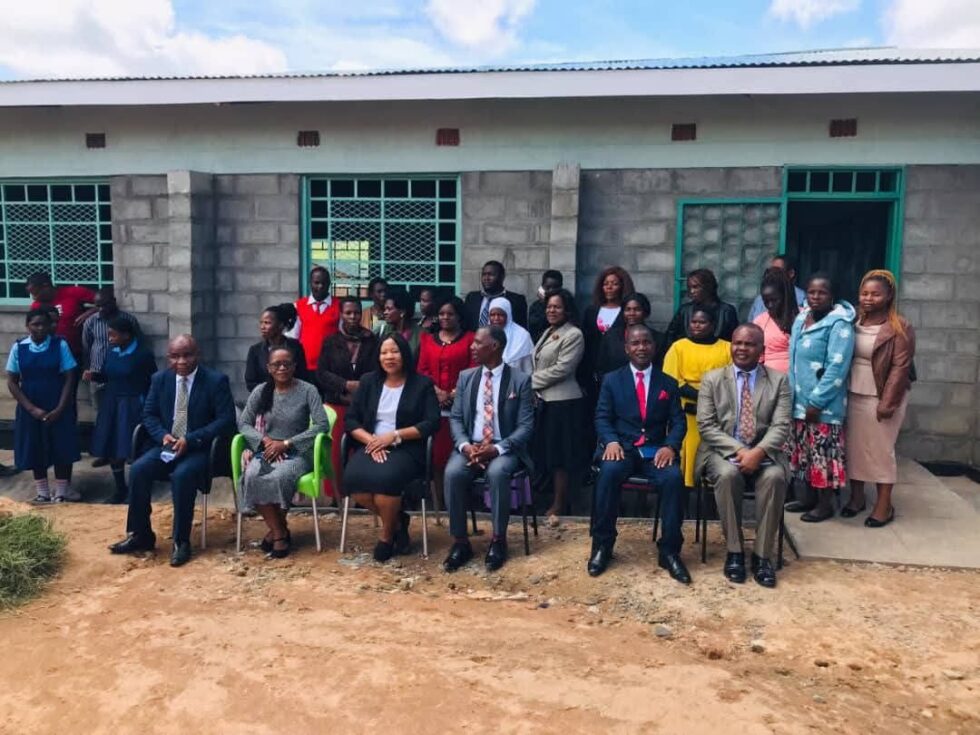
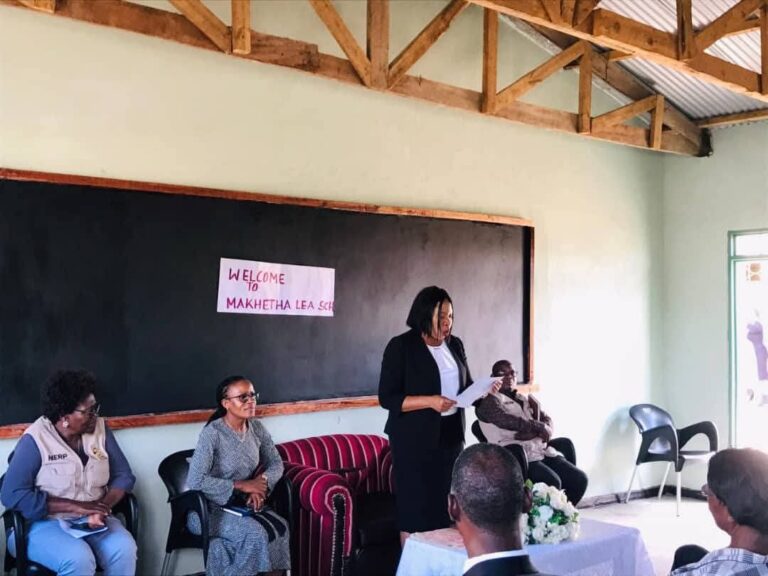
Malawi’s Minister of Basic Education, Madalitso Kambauwa Wirima, has expressed her satisfaction with the newly constructed classroom blocks at Makhetha Primary School in Blantyre. The two blocks, built under the Malawi Education Reform Programme (MERP), are expected to alleviate the school’s longstanding shortage of classrooms.

During her visit to the school, Kambauwa Wirima praised the initiative, highlighting its potential to improve the learning environment for students. “The classroom blocks will help mitigate some challenges that learners have been facing due to lack of adequate classrooms,” she said.

Kambauwa in Blantyre


Noffan Chipetere, the school’s headteacher, echoed the minister’s sentiments, noting that the new blocks will make a significant difference in the school’s operations. “We have had a shortage of classrooms for a long time, and this new infrastructure will greatly improve our ability to provide quality education,” Chipetere said.

The construction of the classroom blocks is part of the broader Malawi Education Reform Programme (MERP), a World Bank-funded initiative aimed at enhancing the country’s education system. MERP commenced in 2021 and is expected to conclude by the end of this year. The program has made significant strides in improving education infrastructure and resources across Malawi.

The minister’s visit to Makhetha Primary School was an opportunity to assess the progress of the MERP project and engage with students, teachers, and community members. Kambauwa Wirima’s positive remarks about the new classroom blocks reflect the government’s commitment to providing quality education and improving learning outcomes.

As the education sector continues to evolve, initiatives like MERP play a vital role in addressing the challenges faced by schools like Makhetha Primary.

Police engage business community on safety and security in Mangochi

0

By Shaffie A Mtambo

Police in Mangochi have called on the district’s business community to collaborate with law enforcement agency in enhancing security, aiming to strengthen the already existing partnership between the two entities.

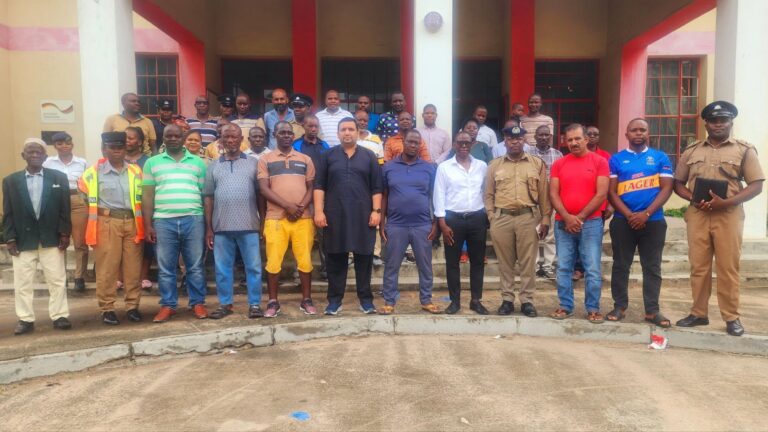
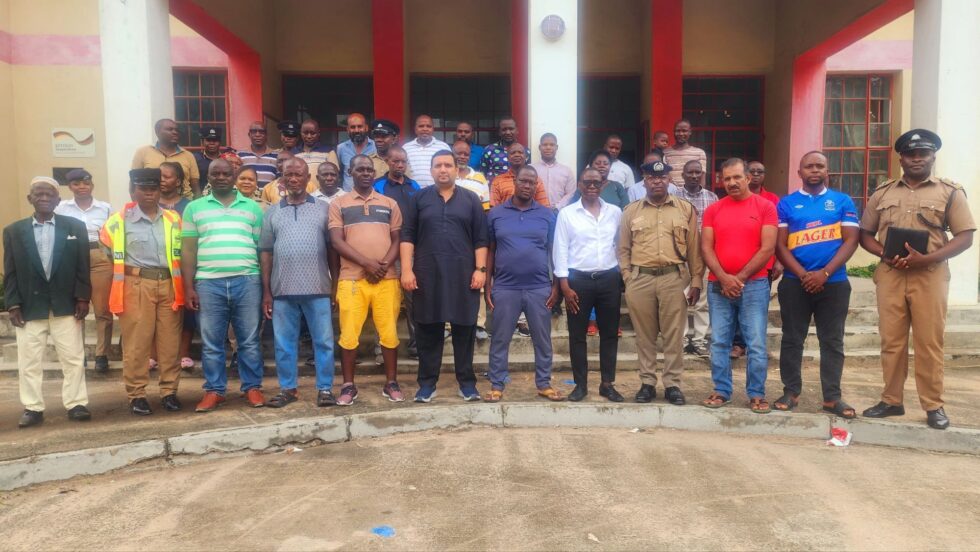
The call was made by Officer-in-Charge Morgan Dzonzi, Assistant Commissioner of Police during a meeting held on January 29, 2025, at Mangochi Multi-purpose Hall. The meeting brought together local, Rwandese, and Asian business owners to discuss security concerns affecting the district.

According to Mangochi Police statistics, the station has recorded 20 cases of shop break-ins within the first 29 days of this year, compared to 13 cases during the same period last year, indicating a worrying rise in crime.

“Security is paramount, and everyone needs a safe environment to thrive. Ensuring security cannot be left to the police alone; we need collaboration to curb this rising trend,” pleaded Dzonzi.

He expressed concern over poor infrastructure planning in the township, highlighting that most buildings lack adequate space behind them, making it easier for criminals to break in despite the presence of security guards.

Dzonzi further advised business owners to vet employees before hiring and avoid dismissing them without valid reasons, refrain from employing over-aged security guards for cheap labour, regularly share information with the Police, and support community policing forums with essential working equipment to boost morale.


Mr. George Mota, Chairperson of the local business community, commended the Police for their visibility in the area and their swift response whenever called upon, noting that this has helped prevent criminal activities.

However, Mota raised concerns over minibus operators, stating that some vehicles operating in the early hours are being used to transport stolen goods. In response, Dzonzi assured him that the issue would be addressed, reaffirming the police’s commitment to making Mangochi a crime-free zone.

The Shadow of Colonialism: Malawi’s Struggle for True Independence

By Twink Jones Gadama

In the heart of Southern Africa lies Malawi, a nation often celebrated for its breathtaking landscapes and warm-hearted people. Hence,the warm heart of Africa.
However, beneath the surface of this picturesque country lies a troubling reality: Malawi’s heavy reliance on foreign aid has rendered it vulnerable to external political decisions, exposing the fragility of its independence. The recent stop work order issued by the Trump administration has affected over 40 non-governmental organizations (NGOs) and projects in Malawi, including prominent entities such as FHI360, Project Hope Namibia, Baylor College of Medicine, the Family Planning Association of Malawi, Feed the Children, Cham, and World Vision. This situation raises critical questions about Malawi’s sovereignty and the lingering effects of colonialism in a nation that is still grappling with its identity and autonomy.

Malawi’s dependence on foreign aid is not a new phenomenon. Since gaining independence from British colonial rule in 1964, the country has struggled to establish a self-sustaining economy. The legacy of colonialism left Malawi with a weak infrastructure, limited industrialization, and a reliance on subsistence agriculture. As a result, the nation has become one of the poorest in the world, with over 50% of its population living below the poverty line. In this context, foreign aid has become a lifeline for many Malawians, funding essential services such as healthcare, education, and food security.

Trump brings a halt to foreign aid

The statistics are staggering. According to the World Bank, Malawi receives approximately 40% of its national budget from foreign aid. This dependency has created a cycle of vulnerability, where the country’s development is contingent upon the whims of international donors. The recent stop work order from the Trump administration serves as a stark reminder of this precarious situation. With the abrupt cessation of funding for critical projects, thousands of Malawians are left without access to vital services, exacerbating an already dire situation.

The impact of the stop work order is particularly pronounced in the healthcare sector. Organizations like Baylor College of Medicine and FHI360 have been instrumental in providing essential medical services, including HIV/AIDS treatment and maternal health care. The sudden withdrawal of support from these organizations has left a significant gap in healthcare delivery, putting countless lives at risk. The Family Planning Association of Malawi, which has been working to improve reproductive health services, is also facing severe setbacks. The loss of funding not only affects the organizations themselves but also the communities that rely on their services for survival.

Moreover, the stop work order highlights the broader implications of Malawi’s reliance on foreign aid. The country’s development agenda is often dictated by the priorities of international donors, rather than the needs and aspirations of its citizens. This dynamic raises questions about the sovereignty of Malawi as a nation. Are Malawians truly in control of their own development, or are they merely pawns in a game played by foreign powers? The answer is troubling: Malawi’s independence is undermined by its dependence on external funding.

The colonial legacy is still palpable in Malawi’s political and economic landscape. The structures of power established during colonial rule have not been entirely dismantled, and many argue that the country remains in a state of neo-colonialism. The influence of foreign governments and organizations often overshadows local voices, perpetuating a cycle of dependency that stifles genuine progress. The recent actions of the Trump administration serve as a stark reminder that Malawi’s fate can be dictated by foreign powers, reinforcing the notion that true independence remains elusive.

Furthermore, the reliance on foreign aid has fostered a culture of complacency among local leaders. Instead of prioritizing sustainable development and self-sufficiency, many politicians and policymakers have become accustomed to relying on external funding to address pressing issues. This mindset not only undermines local initiatives but also perpetuates a cycle of dependency that is difficult to break. The stop work order has exposed the fragility of this system, forcing Malawians to confront the reality that their future is not entirely in their hands.

The consequences of this dependency extend beyond immediate service delivery. The halt of funding for NGOs and projects has far-reaching implications for Malawi’s long-term development. With limited resources, the government struggles to provide essential services, leading to increased poverty, malnutrition, and disease. The lack of investment in infrastructure and education further exacerbates the situation, trapping future generations in a cycle of poverty and dependency.

In addition to the economic implications, the stop work order has also sparked a national conversation about sovereignty and self-determination. Many Malawians are beginning to question the status quo and demand a more equitable relationship with foreign donors. The narrative of dependency is being challenged, as citizens call for a shift towards sustainable development that prioritizes local solutions and empowers communities. This shift is essential for breaking the cycle of dependency and fostering a sense of ownership over the nation’s future.

As Malawi grapples with the fallout from the stop work order, it is crucial for the government and civil society to come together to forge a new path forward. This path must prioritize self-sufficiency, sustainable development, and the empowerment of local communities. By investing in education, infrastructure, and local industries, Malawi can begin to reduce its reliance on foreign aid and build a more resilient economy.

Moreover, the international community must recognize the importance of supporting Malawi’s journey towards self-determination. Rather than perpetuating a cycle of dependency, foreign donors should focus on fostering partnerships that empower local communities and promote sustainable development. This approach requires a fundamental shift in the way aid is delivered, moving away from a top-down model towards one that prioritizes local voices and solutions.

In conclusion, the recent stop work order issued by the Trump administration serves as a stark reminder of Malawi’s ongoing struggle for independence. The country’s heavy reliance on foreign aid has rendered it vulnerable to external political decisions, exposing the fragility of its sovereignty. As Malawi navigates this challenging landscape, it is essential for its leaders and citizens to confront the legacy of colonialism and work towards a future that prioritizes self-sufficiency and empowerment. Only then can Malawi truly claim its independence and chart a course towards a brighter future for all its people.

Temwa Chawinga Commits to Kansas City Current with Three-Year Contract Extension

0

By Shaffie A Mtambo

Malawi Women’s National Football Team striker Temwa Chawinga has made a significant commitment to her National Women’s Soccer League (NWSL) side, Kansas City Current, signing a three-year contract extension. This new deal ensures that Chawinga will remain with the club until 2028, providing stability and continuity for both the player and the team.

Chawinga’s impressive debut season with Kansas City Current was marked by numerous accolades, including winning the golden boot award with an impressive 20 goals. Her outstanding performance earned her the Most Valuable Player award in the US last season, cementing her status as a rising star in women’s football.

Temwa

The contract extension is a testament to Chawinga’s hard work and dedication to her craft. Kansas City Current’s decision to secure her services for an additional three years demonstrates the club’s confidence in her abilities and its commitment to building a competitive team around her talents.

As Chawinga continues to thrive in the NWSL, her success is not only a source of pride for Kansas City Current but also for the Malawi Women’s National Football Team. Her achievements serve as an inspiration to young female footballers in Malawi and beyond, demonstrating the possibilities that exist for women in football.

With this contract extension, Chawinga is poised to continue making waves in the NWSL, leading Kansas City Current to new heights and solidifying her position as one of the league’s top players.