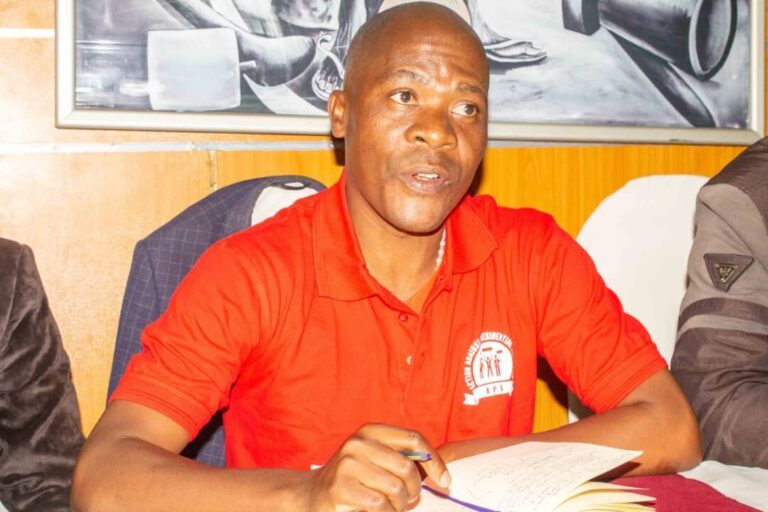
Lilongwe District Commissioner(DC) Lawford Palani has invited Centre for Democracy and Economic Development Initiatives (CDEDI) Executive Director Sylvester Namiwa to a stakeholders’ meeting scheduled for today.
However, the DC has not indicated the purpose of the meeting in the letter.
Namiwa
The invitation follows Namiwa’s announcement of plans to lead Malawians in demonstrations over the acute fuel shortage and other electoral concerns.
On Tuesday,the President of the People’s Development Party (PDP), Kondwani Nankhumwa, endorsed the demonstrations, saying he and his supporters will participate.
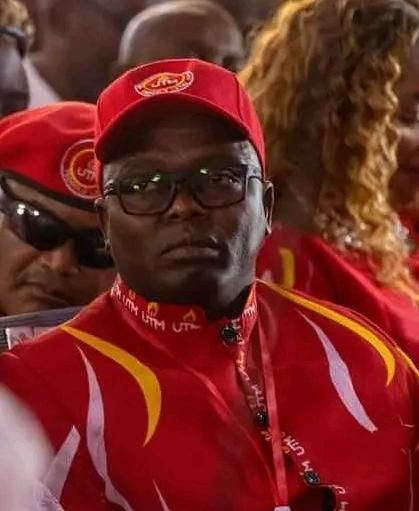
United Transformation Movement (UTM) presidential aspirant Dr. Mathews Mtumbuka claims that the results of the recently concluded convention in Mzuzu were rigged.
Monitor for Mtumbuka, Grivinia Kanjaula,told Zodiak Online on Tuesday that several irregularities, including missing votes and harassment of monitors, contributed to the rigging scheme.
Mtumbuka
He said despite this, Mtumbuka will not protest the outcome and will continue serving the party.
Another candidate, Newton Kambala, through his spokesperson, Dr. Chidanti Malunga, states that they will compile their concerns, which they believe affected the outcome.
But the organizers of the convention and Mtendere Electoral Support Network(MESN), which managed the election process, have denied the aforementioned allegations.
UTM held its elective convention on November 17, 2024 in the country’s green city.
In the presidential results of the convention, former Reserve Bank of Malawi (RBM) Governor Dalitso Kabambe announced the winner with 636 votes.
Mtumbuka raked in 22 votes, Kambala 26 and Patricia Kaliati 21.
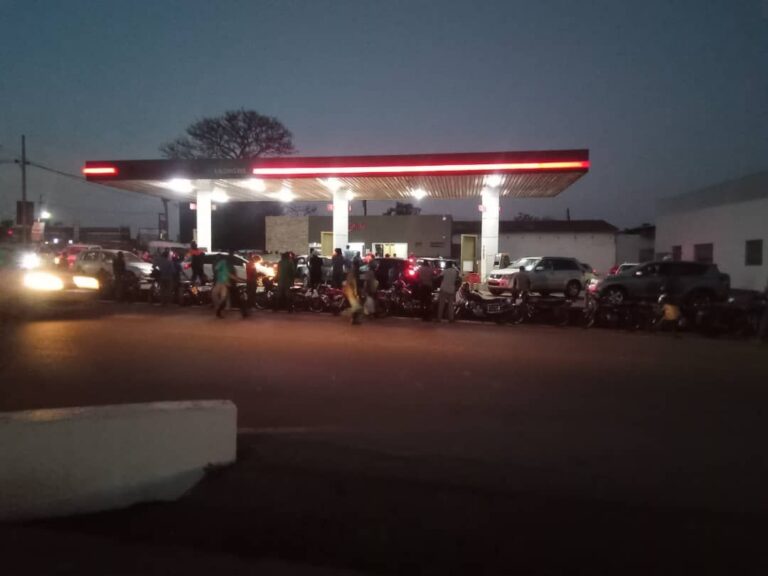
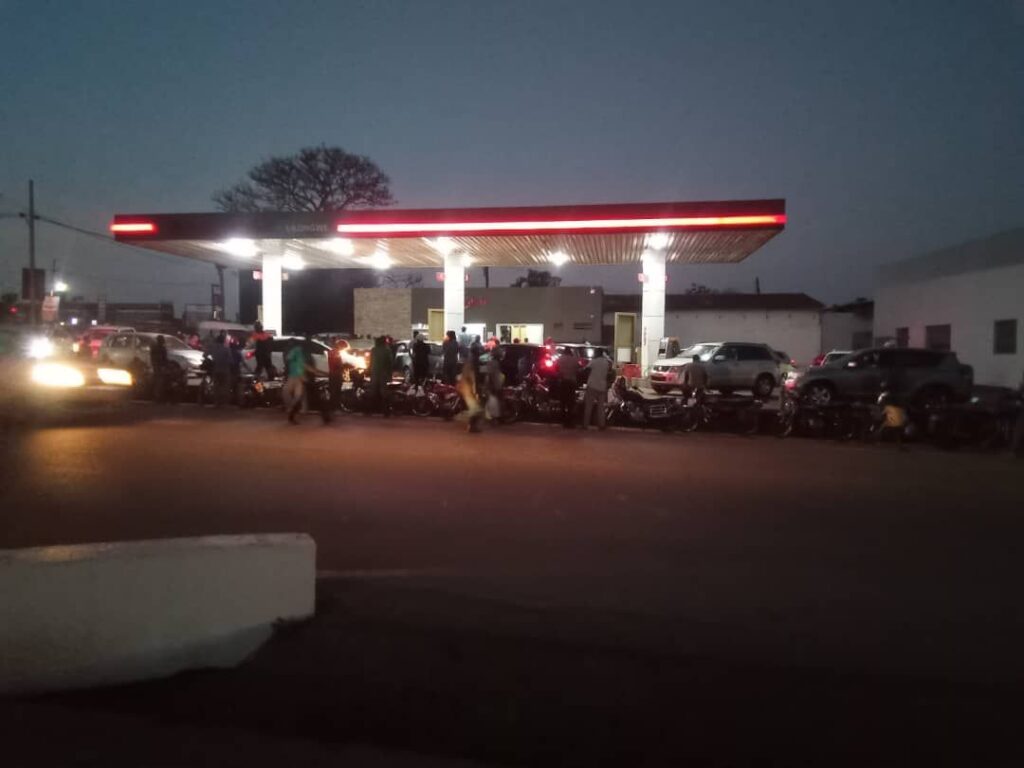
Malawi’s ongoing fuel crisis has reached unprecedented levels, as even diplomats—usually shielded from such struggles—are now being seen queuing at fuel stations. The sight of high-ranking officials waiting alongside everyday citizens is a stark indicator of the severity of the country’s fuel shortage.
At various filling stations across the capital, Lilongwe, the presence of diplomatic vehicles, complete with recognizable license plates, has drawn both surprise and concern. These officials, accustomed to more privileged access, are now facing the same frustration as the average motorist.
The situation has become a great equalizer, forcing individuals from all walks of life to confront the harsh realities of the crisis. “It’s unheard of,” remarked one motorist at a station in Area 47. “When even diplomats have to queue, you know things are bad.”
Diplomatic staff, while reluctant to comment on record, have expressed dismay at the logisticalk disruptions caused by the shortage. Several embassies in Lilongwe reportedly face operational challenges, as fuel scarcity hinders mobility and compromises diplomatic engagements.
Broader Implications
The image of diplomats in fuel queues has sparked debate about the government’s handling of the crisis. Citizens and analysts alike question how Malawi reached a point where even those in high positions cannot access a basic necessity like fuel.
“This reflects poorly on the country’s international image,” said a local economist. “Diplomats rely on functioning systems to perform their duties, and this crisis undercuts their ability to represent their nations effectively.”
A Call for Urgent Action
The fuel crisis continues to grip Malawi with no immediate solution in sight. The situation, already dire for businesses and ordinary citizens, now threatens to disrupt diplomatic functions and international relations.
As the queues grow longer and frustrations mount, the call for decisive government intervention becomes louder. For now, the sight of diplomats in fuel queues serves as a sobering reminder that the crisis spares no one.
This is no longer just a national inconvenience—it is an international embarrassment demanding urgent attention.
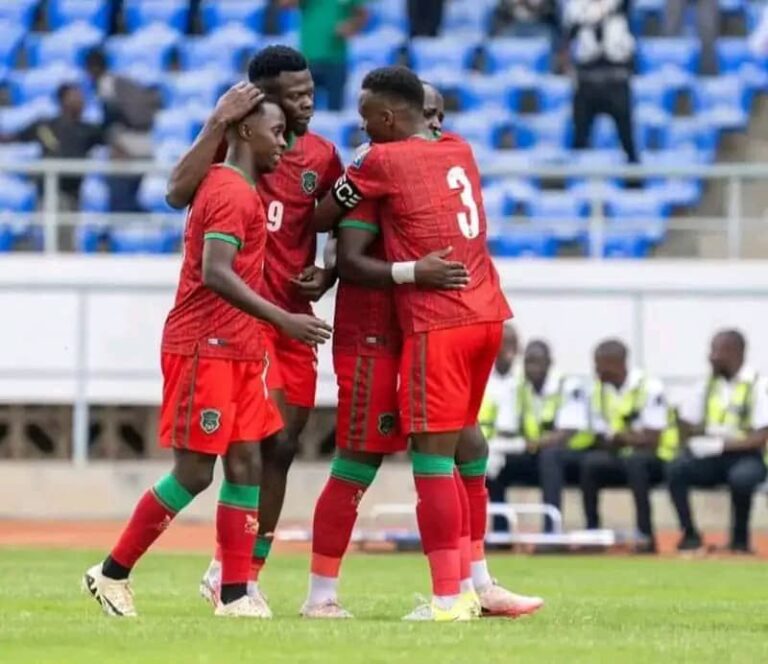
Malawi President Lazarus Chakwera has praised the national football team, the Flames, for their impressive performance in their recent match against Burkina Faso. The match, which was crucial in the race for a spot in the upcoming Africa Cup of Nations (AFCON) tournament, saw the Flames triumph with a commanding 3-0 victory.
Although the win was a significant achievement for the Flames, it was not enough to secure a place in the 2025 AFCON competition, which will take place in Morocco. The team’s performance throughout the qualifiers, under the guidance of coach Patrick Mabedi, has faced challenges, and the Flames have struggled to maintain consistency in their matches.
The flames
Despite the setback in terms of qualification, President Chakwera expressed optimism about the team’s potential. He lauded the Flames for their determination and hard work, emphasizing that the victory over Burkina Faso demonstrated their capability to perform at the highest level. Chakwera encouraged the players and coaching staff to remain focused on their development, as they continue to build for future international competitions.
“Although we will not be participating in the 2025 AFCON in Morocco, the performance we witnessed against Burkina Faso is a clear indication of the potential and talent that resides within this team,” said President Chakwera. “This victory is a step forward in our journey, and I am confident that with continued dedication and hard work, the Flames will rise to greater heights in future tournaments.”
The match against Burkina Faso gave Malawians hope that the Flames can still achieve success on the continental stage, even though they will not be part of the upcoming AFCON. The Flames will now turn their focus to improving their performance in other competitions, with the aim of making a stronger impact in the future.
In conclusion, President Chakwera’s words of encouragement serve as a reminder that the Flames have the potential to achieve greatness, and the victory against Burkina Faso should be seen as a building block toward future success in African football.
The People’s Development Party (PDP) has raised serious concerns over what it calls a “crisis” in the voter registration process as Malawi prepares for its 2025 general elections. PDP President, Dr. Kondwani Nankhumwa, criticized the Malawi Electoral Commission (MEC) and the National Registration Bureau (NRB) for their handling of the ongoing voter registration exercise, which has been marred by delays and technical failures.
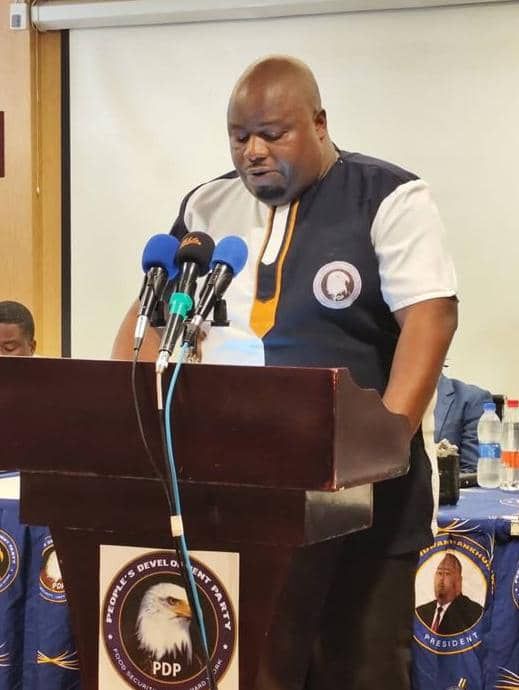
In a press statement delivered at the Golden Peacock Hotel in Lilongwe, Dr. Nankhumwa expressed his frustration over the inefficiencies plaguing the voter registration process. He warned that many eligible voters could be disenfranchised if immediate steps are not taken to address the ongoing issues.
Nankhumwa
“The Malawi Electoral Commission (MEC) is currently implementing the second phase of voter registration in several cities and districts,” Dr. Nankhumwa said. “However, the process is encountering significant challenges, and as it stands, many eligible voters risk being denied their fundamental right to register for the upcoming election.”
At the heart of Dr. Nankhumwa’s concerns is the failure of the NRB to issue national identification cards (IDs) in time for the voter registration exercise. He pointed out that the timely issuance of IDs is crucial for ensuring that all eligible citizens can participate in the registration process.
“The NRB’s failure to issue these IDs on time has created significant barriers,” Dr. Nankhumwa explained. “This is compounded by bureaucratic inefficiencies, lack of public awareness campaigns, and inadequate resources, all of which threaten to disenfranchise large portions of the electorate.”
The PDP leader emphasized that such failures could undermine the legitimacy of the upcoming elections. “If these challenges are not addressed, we risk disenfranchising thousands, if not millions, of eligible voters—many of whom are already marginalized by systemic inefficiencies,” Dr. Nankhumwa said. “This is not just a logistical problem; it’s a direct attack on the democratic rights of the people of Malawi.”
Dr. Nankhumwa also expressed deep concerns over the MEC and NRB’s preparedness and efficiency in handling the voter registration exercise. He criticized the lack of staff at many registration centers and pointed to the technical failures affecting MEC’s systems, which have hampered the process in various regions.
“These problems are compounded by concerns about the credibility and neutrality of the NRB itself,” he stated. “The NRB plays a central role in the electoral process, and its ability to act impartially and competently is essential to maintaining the integrity of the election.”
Given the central importance of the NRB, Dr. Nankhumwa called for an investigation into the ongoing irregularities, urging the MEC to take swift action to restore public trust in the electoral process.
In response to the growing crisis, Dr. Nankhumwa proposed the creation of an Electoral Integrity Platform (EIP). This platform would bring together key stakeholders, including the MEC, NRB, political parties, and civil society organizations, to ensure that the voter registration process is transparent, inclusive, and effective.
“The establishment of the EIP is critical for addressing the challenges currently facing the voter registration exercise,” Dr. Nankhumwa said. “It will create a space for dialogue, foster trust, and implement solutions that can enhance the credibility of the entire electoral process.”
The EIP would focus on resolving key issues such as the delayed issuance of national IDs, technical failures in MEC’s systems, and allegations of voter suppression. Dr. Nankhumwa emphasized that a transparent investigation into these issues is essential to restoring confidence in the electoral process.
Dr. Nankhumwa also weighed in on the ongoing calls for the resignation of the MEC Chairperson, Justice Anabel Mtalimanja, who has been criticized due to her familial ties to former MCP president John Tembo. Despite defending her personal integrity, Dr. Nankhumwa suggested that Justice Mtalimanja may need to step down, given the growing perception that her position may not be neutral.
“Many Malawians now perceive Justice Mtalimanja as a member of MCP, regardless of whether her decisions are right or wrong,” he said. “She has lost the trust of the people, and my advice to her is to protect her integrity and consider stepping down.”
The PDP’s concerns over the voter registration process highlight the significant challenges Malawi faces in ensuring a free and fair 2025 general election. As the registration exercise continues, it is critical that the government, the MEC, and the NRB address the issues raised by Dr. Nankhumwa to safeguard the democratic rights of all Malawians. The creation of an Electoral Integrity Platform and a transparent investigation into the reported irregularities could be a vital step toward restoring public trust and ensuring the legitimacy of the upcoming elections.