In an effort to strengthen their partnership and support the welfare of former football players, the Football Legends Association (FLA) and the Football Association of Malawi (FAM) have formed a joint committee.
According to the FLA board chairperson, Jimu Kalua,the committee comprises six members—three representatives each from FLA and FAM.
He says the initiative aims to foster collaboration and reinforce the relationship between the two organizations while focusing on the well-being and needs of retired football players.
Kalua says the members of the newly formed committee include Christopher Madalitso Kuyera, Ronald Chiwaula, and Benjamin Kumwenda, alongside Young Chimodzi Jr., Anthony Nsendema, and Justin Saidi.
He has however, expressed optimism that the cooperation will bring significant improvements to the support systems available for former players and strengthen the overall football community in Malawi.
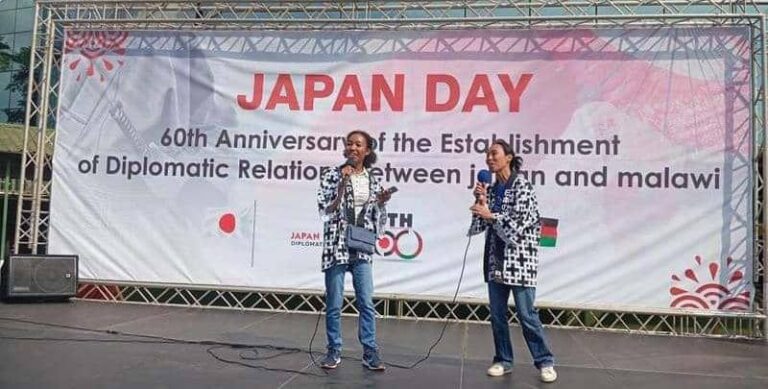
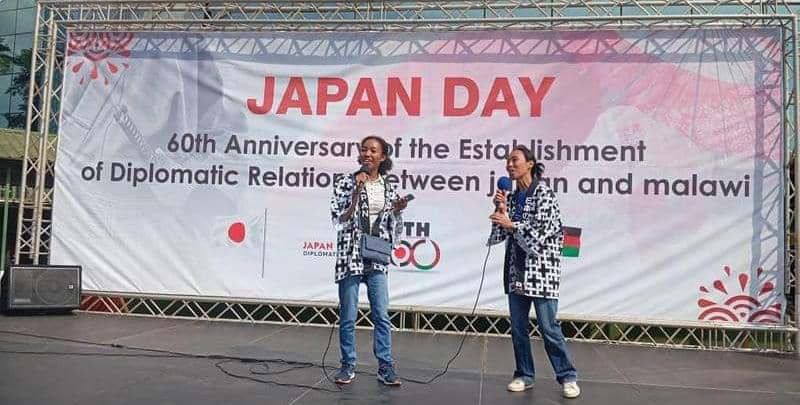
The Embassy of Japan in Malawi recently celebrated Japan Day in Lilongwe, a vibrant event that highlighted Japanese culture while commemorating the 60th anniversary of diplomatic relations between Japan and Malawi. The celebration brought together government officials, diplomats, and members of the public to experience Japan’s rich cultural heritage through a series of displays and activities.
Attendees enjoyed a showcase of Japanese traditions, including calligraphy, origami, and tea ceremonies, which allowed Malawians to explore the art, customs, and values that have shaped Japanese society. Additionally, the event featured demonstrations of traditional Japanese martial arts and culinary displays, giving participants a firsthand experience of Japan’s artistry and culinary expertise.
In his address, the Japanese Ambassador to Malawi expressed gratitude for the long-standing friendship between the two nations and reaffirmed Japan’s commitment to supporting Malawi’s development through various partnerships. He highlighted the strong economic and social ties that have flourished over six decades, from infrastructure and education projects to initiatives aimed at healthcare and agriculture.
“We are celebrating not just Japanese culture, but also a meaningful relationship with Malawi that has spanned generations,” the ambassador remarked.
The celebration was seen as a symbol of both countries’ dedication to strengthening cultural and diplomatic ties. Malawian government representatives attending the event thanked Japan for its continued support and contributions to Malawi’s development. They expressed optimism for the future, with hopes of expanded collaboration in fields like technology, healthcare, and sustainable development.
Japan Day in Lilongwe left a lasting impression on attendees, fostering greater understanding and appreciation between the people of Japan and Malawi. As the two countries look toward a shared future, events like these serve as a reminder of the lasting bond and mutual respect that underpin their partnership.
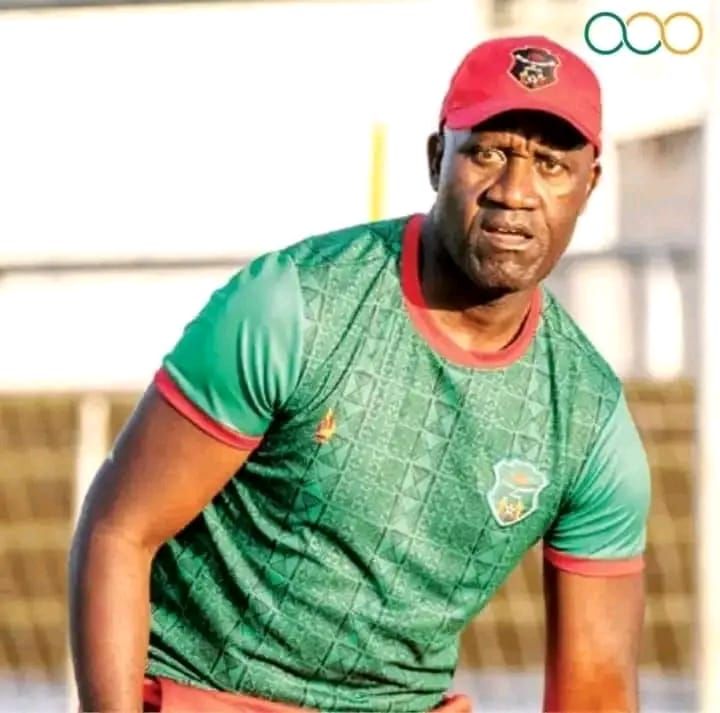
The landscape of Malawian football is fraught with challenges that stem from a fundamental misunderstanding of the underlying issues affecting the game. A recurrent theme in the administration of football in Malawi has been the tendency to scapegoat coaches while leaving the broader systemic problems unaddressed. This approach not only fails to yield the desired results but also undermines the long-term development of the sport in the country.
The cycle of coach firing
One of the most apparent failures in the management of football in Malawi is the reflexive decision to fire coaches in response to poor performance. Over the past twenty years, it is estimated that more than twenty coaches have been dismissed, often without a thorough analysis of the factors contributing to the teams’ lack of success. This pattern creates a revolving door of coaching staff, leading to instability and inconsistency within teams. Coaches are often blamed for outcomes that may be influenced by various external factors, including player performance, management decisions, and the overall footballing infrastructure.
Mabedi
The oversight of systemic issues
The problem lies not only in the frequent changes of coaching personnel but also in the failure to address the root causes of the issues plaguing Malawian football. Key areas of concern include:
1) Infrastructure and Resources: The lack of adequate training facilities, proper equipment, and financial support for clubs hampers the development of players and teams. Without a solid foundation, even the most skilled coaches can struggle to implement their strategies effectively.
2) Player Development: There is a critical need for a structured youth development program that identifies and nurtures talent from a young age. Relying solely on senior teams to produce results neglects the importance of building a pipeline of skilled players who can contribute to the national team’s success in the long run.
3) Administrative Challenges: Governance issues within football associations can lead to mismanagement and corruption, diverting funds away from essential programs that could support player development and enhance the overall quality of football in the country.
4) Public and Private Support: Engaging local communities, businesses, and sponsors in supporting football initiatives can create a more robust financial base for clubs. A lack of investment from the private sector limits the growth potential of the sport.
The need for a comprehensive strategy
To move forward, Malawian football stakeholders must adopt a comprehensive strategy that addresses these systemic issues rather than relying on short-term fixes. This includes:
Conducting thorough assessments of existing structures and identifying the specific challenges that hinder progress.
Investing in infrastructure to ensure that teams have access to the resources necessary for training and development.
Establishing school teams and training programs that focus on cultivating talent and providing pathways for young players to succeed. Inspiring the young players to be passionate, self taught and creative players when watching games on TV and social media
Creating a supportive environment for coaches that includes ongoing training and development opportunities, rather than viewing them as disposable assets.
Conclusion
The challenges facing Malawian football are deeply rooted in a failure to understand the multifaceted nature of the issues at hand. By perpetuating a cycle of firing coaches without addressing the underlying problems, stakeholders are not only hindering the progress of teams but also stalling the growth of football as a whole in the country. A commitment to identifying and addressing these root causes is essential for building a more sustainable and successful footballing culture in Malawi. Only then can the nation hope to see a turnaround in its football fortunes and achieve long-term success on both domestic and international stages.
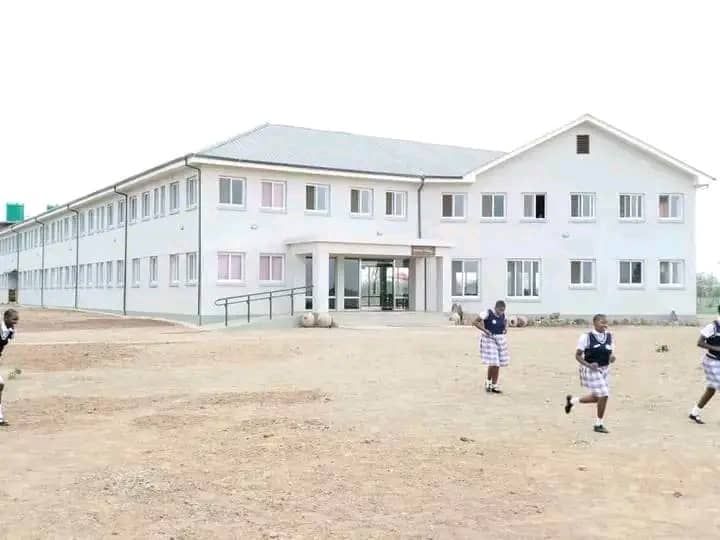
In a significant stride towards empowering girls’ education in Malawi, the newly constructed Jalira National Girls Secondary School in Rumphi stands as a beacon of hope and opportunity. This state-of-the-art institution is the result of collaborative efforts, spearheaded by First Lady Madam Monica Chakwera, who successfully sought assistance from the Korean government.
The school, noted for its impressive architectural design, symbolizes a commitment to enhancing educational facilities for young women in the region. Its establishment marks a transformative step, aiming not only to provide quality education but also to inspire future generations of female leaders in Malawi.
Jalira National Girls Secondary School is part of a broader developmental initiative in the area, which includes the construction of a primary school, a modern clinic, and a nursing college—all at advanced stages of development. This comprehensive approach addresses multiple aspects of community needs, providing a holistic environment for growth and learning.
The investment in Jalira National Girls Secondary School is particularly noteworthy as it represents a historic moment in Malawi’s educational landscape. For the first time, a First Lady has successfully championed such extensive development in the Rumphi area, underscoring the importance of female leadership in driving social progress.
With its opening, Jalira National Girls Secondary School is set to provide numerous young girls with the chance to pursue their academic aspirations and secure a brighter future. The focus on girls’ education is critical in addressing gender disparities in Malawi, and the establishment of this school is a significant milestone in fostering an inclusive educational environment.
In conclusion, the Jalira National Girls Secondary School is not just a new building; it is a symbol of hope, empowerment, and the potential for transformative change in the lives of young women in Rumphi and beyond. With the continued support of the government and international partners, this initiative has the potential to pave the way for a more equitable future for all Malawians.
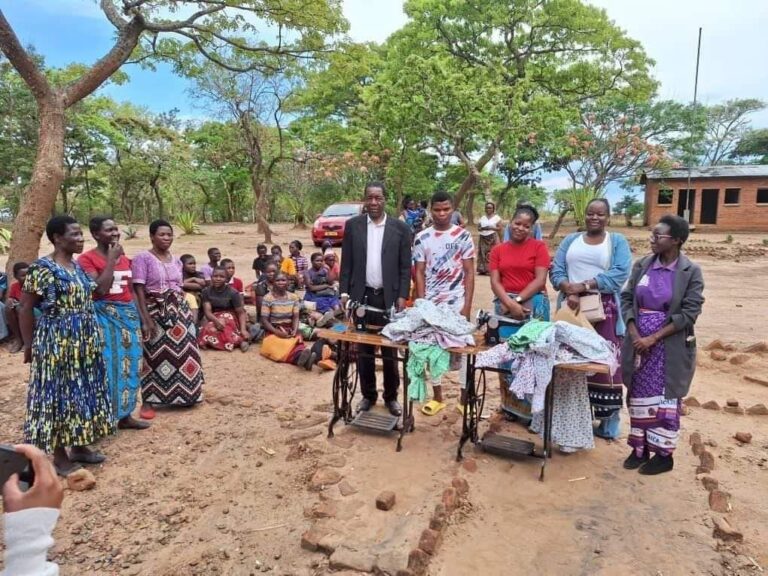
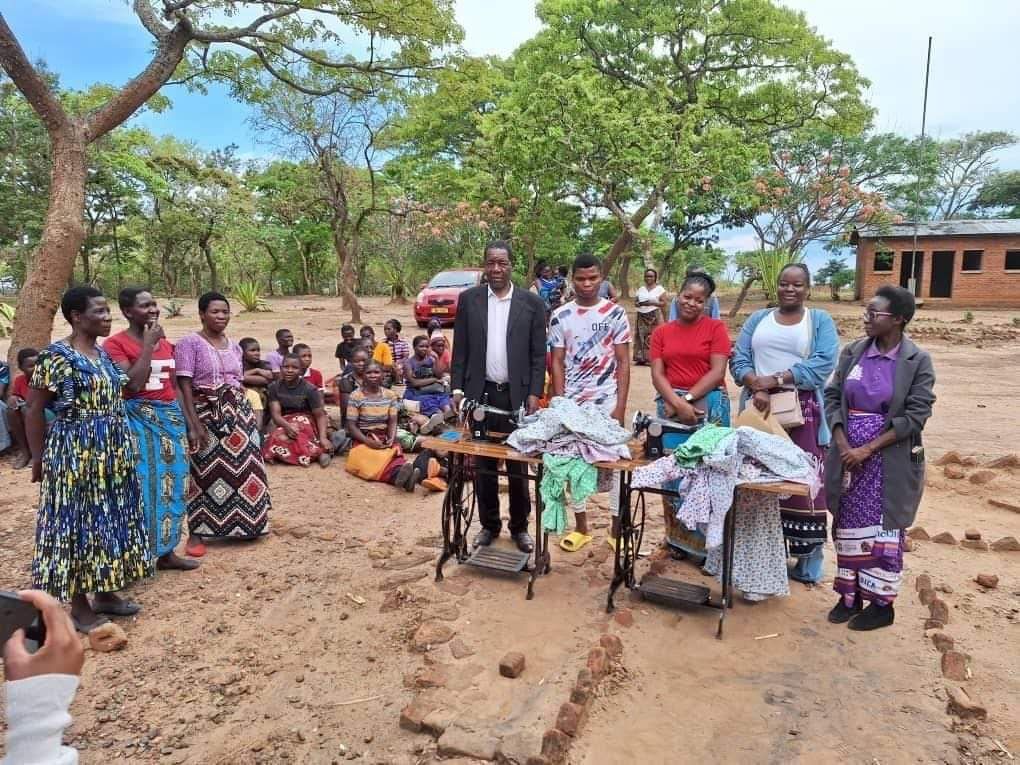
In a significant move aimed at empowering survivors of gender-based violence (GBV), the Coalition for the Empowerment of Women and Girls (CEWAG) has recently handed over six sewing machines to women in the area of Traditional Authority Kalumbu in Lilongwe District. This initiative marks a critical step toward providing these survivors with sustainable livelihoods and a means of financial independence.
CEWAG’s Executive Director, Beatrice Mateyu, highlighted the importance of collaborative efforts in addressing the challenges faced by GBV survivors. Speaking to Zodiak Online, she emphasized that while government efforts are commendable, there is a pressing need for more organizations to join the fight against gender-based violence. “A lot more effort needs to be done to complement government efforts in supporting and empowering GBV survivors,” Mateyu stated, underscoring the necessity for community engagement and support systems.
To further this cause, CEWAG has trained 30 women in tailoring, equipping them with essential skills that will enable them to earn a living and regain their dignity after experiencing the trauma of violence. This vocational training not only fosters self-reliance but also instills a sense of empowerment among the participants.
Jessie Mwanza, the Assistant Gender Officer at Lilongwe District Council, acknowledged the transformative impact of CEWAG’s initiatives. She remarked that the organization is implementing a life-changing program that is significantly affecting the lives of several women in Lilongwe. The distribution of sewing machines is a practical manifestation of this commitment, providing the women with tools they need to start their own businesses and support their families.
This initiative is a part of a broader movement to tackle the issue of gender-based violence in Malawi, which remains a critical concern. By empowering women and providing them with the necessary resources and skills, organizations like CEWAG are not only addressing the immediate needs of GBV survivors but are also working towards a more equitable society.
As the program continues to evolve, it is hoped that more stakeholders will join hands with CEWAG and other organizations to create a supportive environment for survivors of gender-based violence. With sustained efforts and collaboration, there is potential for meaningful change in the lives of many women and girls across the region.