The Malawi Human Rights Commission (the Commission) has called for inputs from the general public and interested organizations to inform it on any issues affecting access to justice and judicial accountability in the country.
The MHRC says it has noted the recent calls for accountability of the judiciary which has the responsibility of interpreting, protecting and enforcing the Constitution of the Republic of Malawi and all laws in an independent and impartial manner.
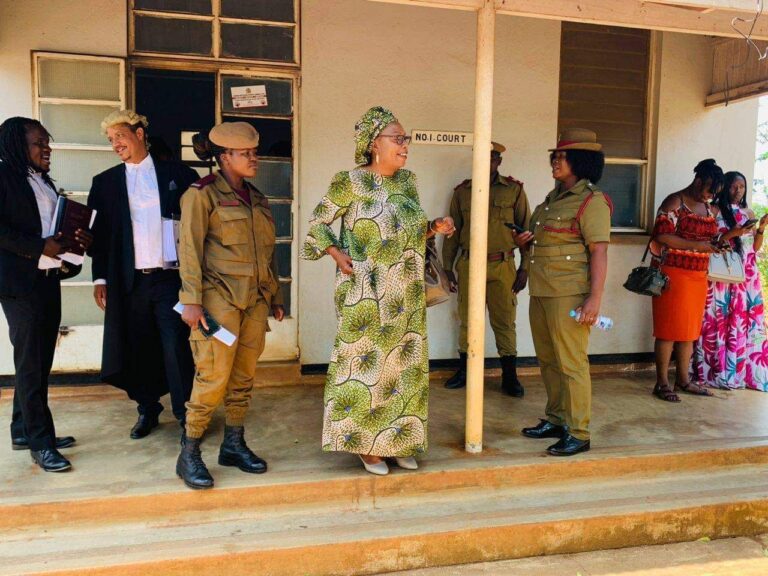
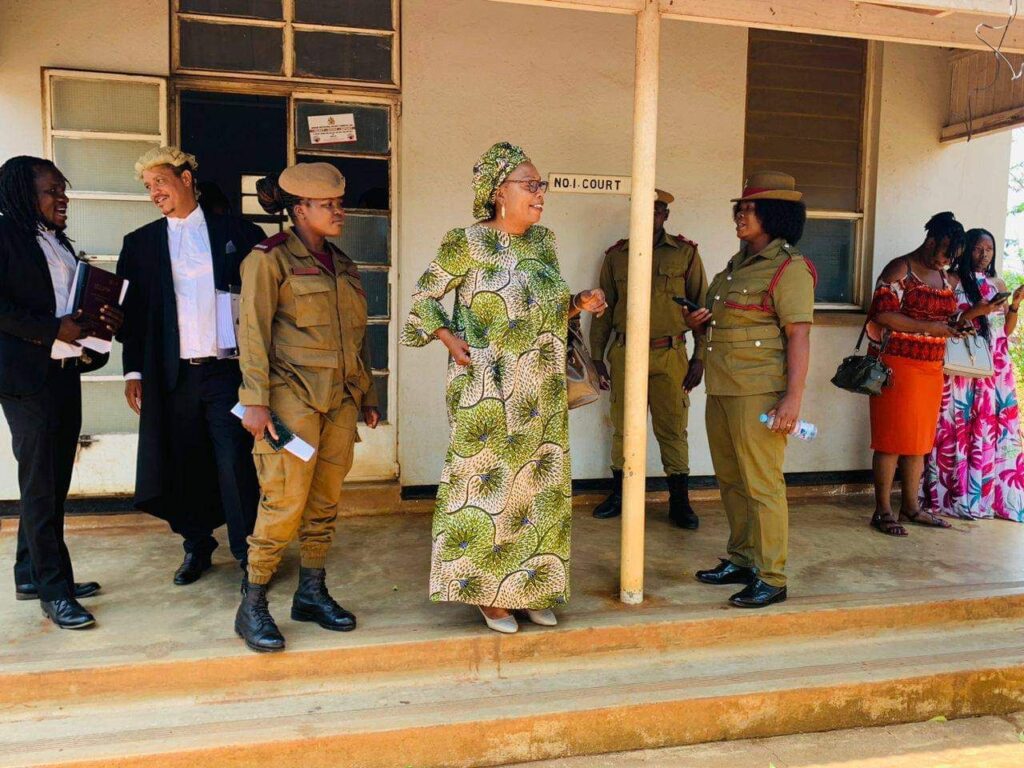
Lawyer and activist, Alexious Kamangila…..the whistleblower for the rotten, corrupt and compromise judiciary… … .
The Commission says the accountability of the judiciary has a bearing on the right to access justice where there is an allegation of violation of any right in the Constitution, it is mandated to investigate such a violation.
In a statement dated 29th October, 2024 signed by its Chairperson Chikondi Chijozi, the Commission says it has plans to undertake a public inquiry into access of justice and judicial accountability focusing on challenges in accessing justice.
The Commission says it will look at the current costs of accessing justice and securing legal representatives, the impact of these costs on access to, and quality of justice, an assessment of judicial accountability, integrity, and competency, and the need for any changes in the law, policies, and practices in addressing issues related to access to justice.
“The Commission must assist any individual, group of individuals with sufficient interest who wish to defend their constitutional rights,” reads the statement in part.
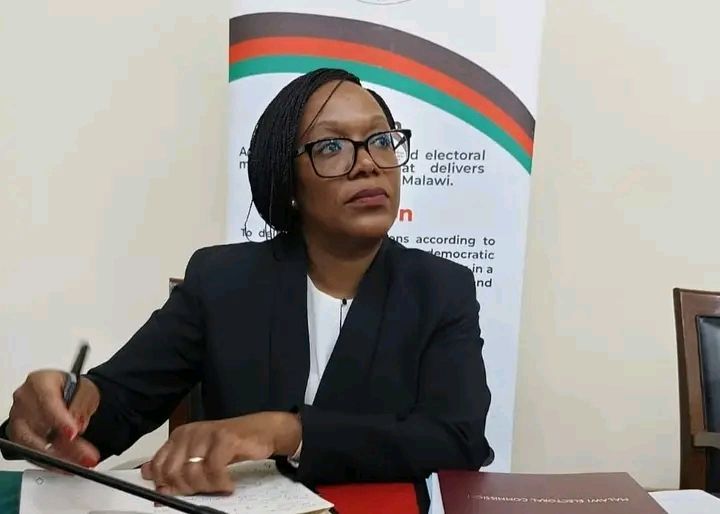
The Malawi Electoral Commission (MEC) has announced plans to extend the first phase of the voter registration exercise, currently underway in select parts of the country.
This decision, made public by MEC Chairperson Annabel Mtalimanja, aims to address the disruption caused by the recent court ruling on national identity cards on October 25, 2024, which temporarily halted citizen registration services at voter registration centers.
Mtalimanja revealed that the specific dates and duration of this extension will be disclosed upon completion of phase 3.
Mtalimanja
In the meantime, the MEC will collaborate with the National Registration Bureau (NRB) to ensure seamless citizen registration processes, adhering to the court’s directives.
This development comes on the heels of a stern ultimatum issued by the Democratic Progressive Party (DPP), UTM, United Democratic Front (UDF), and Alliance for Democracy (AFORD), demanding that the MEC address their concerns within 14 days.
The parties cited numerous challenges plaguing the first phase of the registration exercise, calling for its suspension.
The initial phase of voter registration, launched on October 21, 2024, targeted 12 districts nationwide, with an original deadline of November 3, 2024.
However, the unforeseen court ruling and subsequent service disruptions necessitated the extension.
As Malawi gears up for the 2025 General Elections, the MEC has emphasized its commitment to conducting free, fair, and credible polls.
The Commission’s theme for the 2025 elections, “Promoting Democratic Leadership Through Your Vote,” underscores the importance of citizen participation in shaping the country’s future.
To achieve this goal, the MEC has been engaging stakeholders, including political parties, civil society organizations, and traditional leaders.
The Commission has also accredited 116 civil society organizations to conduct voter education and has planned demonstrations of the voter registration process using Election Management Devices (EMDs).
In preparation for the elections, the MEC will conduct fresh voter registration in three phases, each lasting 14 days.
This exercise aims to ensure the accuracy and integrity of the voter register, remove deceased individuals, and provide precise figures for logistical planning.
As the voter registration extension is implemented, the MEC urges all eligible citizens to participate and exercise their democratic right to vote.
The Commission remains dedicated to upholding the principles of transparency, accountability, and inclusiveness throughout the electoral process.
For more information on the voter registration exercise and the 2025 General Elections, citizens can visit the MEC website or contact their district offices.
In related news, the MEC has trained civic and voter education assistants and conducted pilot voter registration exercises to test the new system.
These efforts demonstrate the Commission’s resolve to deliver credible elections and promote democratic leadership in Malawi.
The sentencing of Annie Mumba to 53 years in prison for the murder of her husband, Peter Mumba, has not only brought closure to a high-profile criminal case but has also ignited public discourse on issues surrounding domestic violence, justice, and sentencing in Malawi. This case’s circumstances, involving a respected educator from Lilongwe University of Agriculture and Natural Resources (LUANAR), have stirred intense public scrutiny, as well as reflection on the larger societal issues at play.
Judge Mzondi Mvula’s 53-year sentence for Annie Mumba reflects both the gravity of the crime and the court’s intent to deter similar incidents in the future. Malawi’s justice system has often been criticized for inconsistent sentencing, but in this case, the lengthy prison term suggests an effort to communicate a zero-tolerance stance on domestic violence resulting in death. This approach is significant in a country where many still view family disputes as private matters, often sidelining serious interventions.
Judge Mvula’s sentencing comments highlighted that the decision was aimed at balancing justice for the victim while sending a strong warning to society. In recent years, Malawi has seen an increase in domestic violence cases reaching the courts, which signals both growing awareness and the need for effective preventive and punitive measures.
This case is notable not only for its tragic end but also for its illustration of gender dynamics in domestic violence. While men are traditionally seen as perpetrators in many domestic abuse cases, this instance highlights that both genders can be victims or aggressors in intimate relationships. It is a reminder of the importance of addressing domestic abuse holistically, without preconceived notions about gender roles. Both men and women can be driven to extremes when violence, jealousy, or mistrust takes root in relationships.
The high-profile nature of this case, involving a well-known teacher from LUANAR, has added a layer of shock and sadness in the community. Friends, colleagues, and students of the late Peter Mumba have been deeply affected by the details that emerged during the trial. Public opinion, often a powerful force in such cases, has been divided. Some sympathize with Annie Mumba, suggesting that deeper underlying issues may have driven her to commit this act, while others believe that the punishment is fitting and will serve as an effective deterrent.
This spectrum of public opinion reveals the complexity of understanding domestic violence, which is often deeply rooted in social, psychological, and economic factors. For many, this case has become a painful reminder of the hidden tensions that can exist within seemingly ordinary relationships.
Annie Mumba’s sentencing raises questions about how Malawi’s justice system can better address the root causes of domestic violence. While this verdict may deter some, long-term change will likely require a shift beyond punitive measures alone. Malawi’s institutions could benefit from investing in education on conflict resolution, mental health support, and accessible counseling services for married couples or those experiencing relationship challenges.
The case also brings to light the need for more robust protective measures for victims and at-risk individuals. Strengthening legal protections and providing support services are essential steps in preventing domestic violence from escalating to lethal levels.
The 53-year prison sentence for Annie Mumba is a powerful and complex conclusion to a tragic story. For many, it marks justice served, while for others, it underscores the need for society to better address the root causes of domestic violence. As Malawi reflects on this case, there is hope that it may inspire a stronger, more preventive approach to domestic violence—one that values life and provides avenues for conflict resolution before tragedy strikes.
In the wake of this sentencing, the community remains somber, reminded of the fragility of life and the need for compassion, support, and understanding in intimate relationships. Judge Mvula’s decision may indeed serve as a landmark, encouraging change in how Malawians view, discuss, and address issues of domestic violence moving forward.
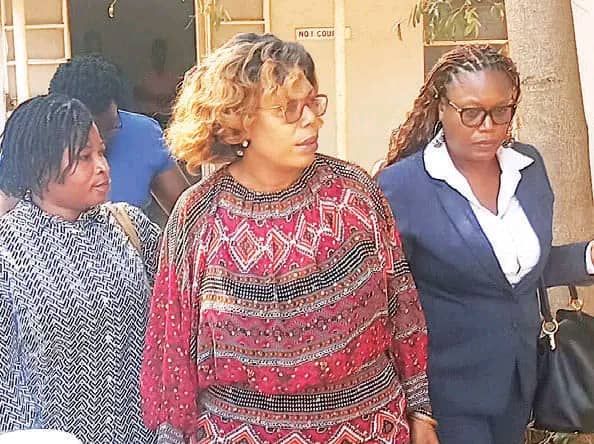
Annie Mumba, the widow of the late Peter Mumba, has been sentenced to 53 years in prison after being found guilty of her husband’s murder in April 2020. The sentence was delivered moments ago by Judge Mzondi Mvula.
The late Peter Mumba, who was a teacher at Ukachenjede School at the Lilongwe University of Agriculture and Natural Resources (LUANAR), tragically lost his life in circumstances that led to an extensive investigation and trial. The court found sufficient evidence to convict Annie Mumba, resulting in the severe sentence handed down today.
Annie Mumba
Judge Mvula expressed that the decision was intended to serve as both a punishment and a deterrent for similar crimes. This case has drawn significant public interest, given the tragic nature of the incident and the high-profile background of the individuals involved.
The sentencing marks the conclusion of a case that has weighed heavily on the community, leaving many shocked and saddened by the events leading up to the tragedy.
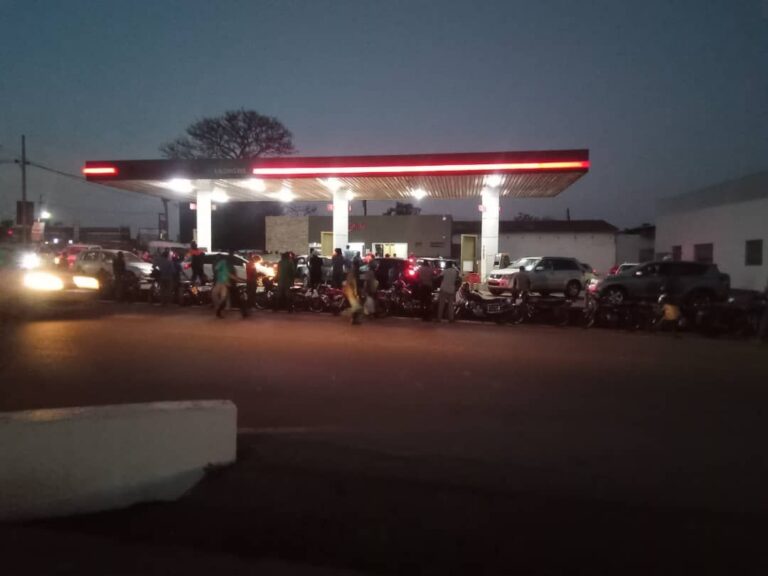
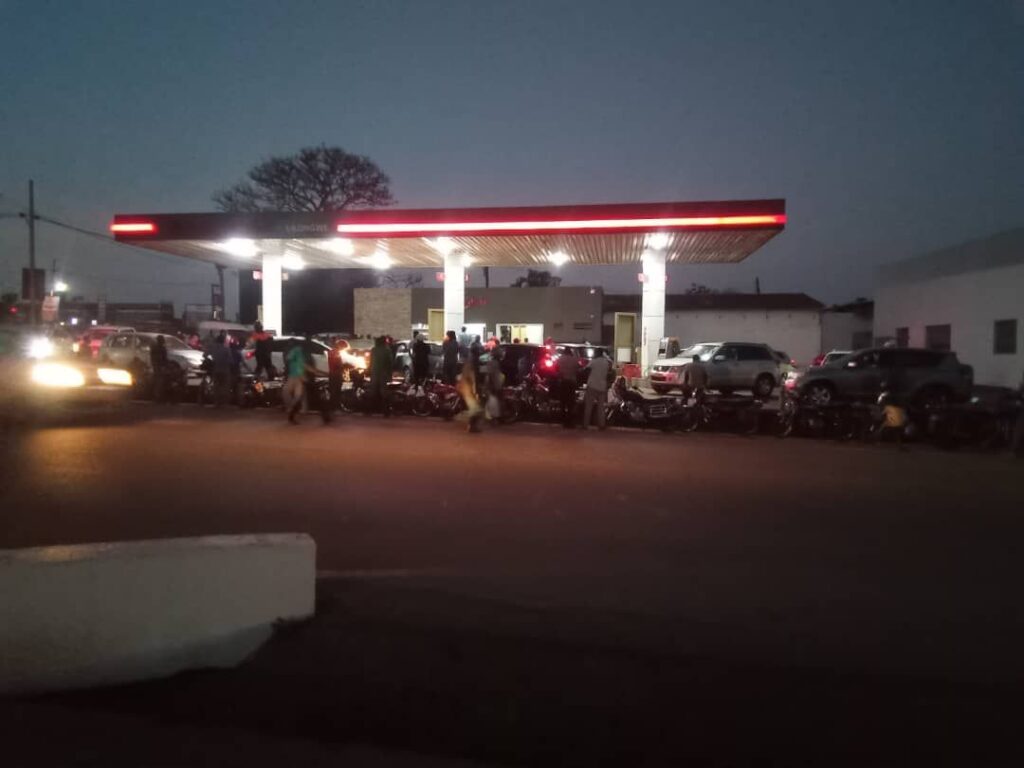
Malawi is currently grappling with an acute fuel crisis that has disrupted economic activities, leaving citizens frustrated and questioning the management of the country’s energy resources. In a recent statement, Henry Kachaje, the Chief Executive Officer of the Malawi Energy Regulatory Authority (MERA), attributed a part of the crisis to unauthorized vendors who allegedly siphon fuel supplies and create artificial shortages. However, this attribution raises significant questions. Can unauthorized vendors indeed be the sole—or even primary—cause of such a widespread fuel crisis, or are there deeper systemic issues at play?
Can we blame unauthorized vendors?
The notion that unauthorized vendors contribute to fuel shortages is plausible. Unauthorized vendors often procure fuel through informal channels and resell it at inflated prices. By diverting fuel intended for regulated stations, these vendors can, in small ways, exacerbate shortages, especially during times of limited supply. However, attributing the crisis to them alone might oversimplify a far more complex situation. These vendors do not possess the capacity to influence fuel supply at a national scale, especially when supply shortfalls reach critical levels, as we see now.
Fuel vendors typically operate at a local level, meaning that their influence, while visible in communities, cannot fundamentally impact the supply chain that services the entire country. Addressing their activities is necessary for regulating local prices and preventing exploitation, but the crisis appears too vast for these vendors to bear sole responsibility.
Do unauthorized vendors have the capacity to cause a fuel crisis?
To understand whether unauthorized vendors could genuinely cause a national crisis, we must examine their role in the larger fuel supply chain. Unauthorized vendors typically engage in small-scale fuel trading, lacking the resources to disrupt distribution at storage facilities or control imports. Therefore, it’s unlikely they could instigate a fuel shortage of this magnitude.
The larger factors influencing fuel availability in Malawi point to challenges in the procurement, distribution, and storage phases rather than solely to unauthorized resellers. Structural issues—such as limited foreign exchange, inefficiencies in the supply chain, and policy limitations—present obstacles that unauthorized vendors could not singlehandedly overcome or manipulate. Hence, while unauthorized vendors may aggravate localized issues, they likely do not possess the reach or resources to cause a sustained, national fuel crisis.
The real causes of fuel shortages in Malawi
The current crisis can be better understood when viewed through the lens of broader systemic challenges:
Firstly, Malawi relies heavily on imported fuel, which requires significant amounts of foreign currency. With the country experiencing persistent foreign exchange shortages, fuel procurement becomes strained. The Reserve Bank of Malawi’s inability to provide adequate foreign exchange for fuel importers is a key contributor to the crisis.
Secondly, the country’s debt obligations have strained financial resources, affecting import capacity across sectors. As funds are diverted to debt repayments, less capital is available to import sufficient quantities of fuel, resulting in shortages.
Thirdly, infrastructure limitations in storage and distribution further complicate fuel availability. Transportation inefficiencies, particularly during high-demand periods, mean that even when fuel is available at ports or borders, getting it to stations across the country remains a challenge.
Fourthly, fuel prices on the global market have been volatile. When prices surge internationally, it becomes harder for Malawi to maintain stable supplies without adjusting retail prices significantly. This price volatility impacts procurement and adds strain to the country’s limited foreign reserves.
Fifthly, regulatory frameworks may also play a role in the crisis. If existing policies do not adequately address fuel supply security or if MERA lacks the authority or resources to intervene effectively in critical moments, these gaps could exacerbate fuel supply issues.
How much fuel has been imported so far?
As of the latest reports, MERA has disclosed that Malawi has been able to secure and import some quantities of fuel. However, due to foreign currency limitations, these quantities have not been sufficient to meet nationwide demand. The limited imports help sustain minimal operations but do not address the high consumption levels driven by a recovering economy.
Additionally, recent imports have not provided a buffer against the high demand, and without sufficient reserves, even slight disruptions in supply or delays in procurement quickly lead to queues and shortages at fuel stations. MERA has been transparent in stating that it is actively working with the Reserve Bank to source more foreign currency to allow for larger imports. However, the scope of imports thus far underscores the seriousness of the foreign exchange constraints Malawi faces.
Conclusion
The fuel crisis in Malawi cannot be attributed to unauthorized vendors alone. While these vendors may exacerbate localized shortages, the root causes of the crisis lie in systemic issues: limited foreign exchange, logistical constraints, rising global prices, and regulatory gaps. Addressing these structural challenges is essential for stabilizing the fuel supply chain and preventing future crises.
It is crucial that MERA and other government bodies work collaboratively to address foreign exchange management, improve procurement processes, and establish policies that anticipate and mitigate such crises. Only by tackling these foundational issues can Malawi ensure a stable fuel supply for its citizens.