President Dr Lazarus Chakwera has called upon Malawians to go in their large numbers to have their names registered in the voters roll.
Chakwera made the call at Mlamba in the area of Senior Chief Kambwiri, in Salima District.
He highlighted that for citizens to have a voting right they have to register and vote in the 2025 General Elections.
“For continuation of development go and register before registration closes, we should not take it for granted and shun registration, if you have not registered I am imploring you to do so now,” he said.
He added: “We should be each other’s keeper, if you see that your friend or neighbour has not registered, encourage them to register as soon as possible, we do not vote on the roads, by cheering but we vote in the ballot, this is only possible if you vote.”
Member of Parliament for Salima South East Constituency Mike Mwawa, echoed what President Chakwera said, by encouraging members from his constituency to register without fail.
“If you have not registered time is running out, registration here in Salima District closes on Sunday, November 3rd, go and register now,” Mwawa said.
Registration exercise for Salima district commenced on October 21st and will finish on 3rd November.
Hip-hop artist Mazaka Smart Banda known in music circles as Macelba, has released his long-awaited Extended Play (EP) titled ‘After the Silence’ which is now available in all streaming platforms and fans have been reacting to the new EP.
The EP comprises of songs like Munalora, Olakwa Ndani, Chosadziwa Part 2 featuring Leslie, Stay Winning, Chair featuring Lipe, Golide featuring Janta and Ju featuring Eli Njuchi.
Here are some reactions from music followers
Joseph Harrison “All sings are lit 🔥 🔥🔥🔥 congratulations 🎉”
MacLean Chenda Mkandawire “Katswiri 🔥🔥 Munalora, Olakwa ndani eish! We here music.”
Richard Wakisa “Zonse ndi ma hits bwana now favourite Ju featuring Eli Njuchi 🔥🔥🔥🔥🔥
Giboch Giboch “My favourite 🔥🔥🔥🔥”
Majjitah265 “Celba is back Molimba ngati kunsana
Briston Nelson Dzinkambani “My favourite songs, JU ft Njuchi and Chosadziwa Part 2 ft Leslie.”
Noel Lk Califonia “Sukhumudwitsa mtchana keep the fire burning.”
You can listen to Macelba’s EP by following the link below
Twink Jones Gadama’s write-up on the modern church’s shift from a spiritual sanctuary to a profit-driven institution presents a sobering critique of what has become a troubling trend within religious organizations. Gadama argues that, while churches have traditionally been centers for faith, community support, and personal growth, they are increasingly focusing on financial gain, often to the detriment of their members. This analysis examines Gadama’s key points, reflecting on the implications of this shift and the need for a return to authentic spiritual leadership.
In his analysis, Gadama highlights a central paradox: churches are becoming businesses, while the very people who sustain them are burdened financially. One of the most telling examples he provides is the establishment of church-run schools. While these institutions often provide high-quality education, the costs for families are substantial. Tuition, admission fees, and other charges contribute to the church’s growing wealth, creating a reliable revenue stream. The same can be said for church-owned healthcare facilities, which, while providing essential services, also generate significant income for the church. This trend raises questions about whether congregants should still be obligated to give tithes and offerings while the church maintains multiple income streams.
Gadama’s point that “the church has become a business, and we’re the customers” resonates with many who feel that modern churches prioritize profit over people. This sentiment is echoed by Emily, a member who shared her frustration that spiritual support often seems secondary to financial demands. Gadama’s critique extends to the lifestyles of church leaders, who often enjoy luxury homes, expensive cars, and significant financial security while their congregants struggle to meet basic needs. This disparity challenges the church’s moral standing and leaves members questioning the sincerity of a faith that preaches humility but indulges in opulence.
The implications of this wealth-focused approach are profound. First, many church members feel disillusioned and exploited. When they see their leaders living luxuriously while they are urged to make sacrifices for the “greater good,” the sincerity of the church’s mission becomes questionable. This disillusionment has led to a decline in giving, as members become increasingly skeptical of the church’s intentions and reluctant to support an institution that appears to prioritize wealth accumulation over compassion and service.
Gadama makes a compelling case for the need for transparency. He argues that churches should openly disclose their finances, allowing members to see how their contributions are utilized. This approach could foster greater trust and accountability, reassuring congregants that their donations support genuine community initiatives rather than luxury lifestyles. Additionally, Gadama suggests that the church’s leaders must refocus on serving their congregants, putting people’s needs before financial ambitions. Without this fundamental shift, Gadama warns, the church risks losing its moral authority and spiritual relevance.
Finally, Gadama’s appeal for a return to the church’s core values is a timely reminder of its true mission: to offer guidance, compassion, and hope. The message from the Bible—”Where your treasure is, there your heart will be also” (Matthew 6:21)—captures this sentiment perfectly. The true wealth of the church should be found not in its bank accounts but in the spiritual growth and well-being of its members.
Gadama’s analysis underscores a necessary conversation about the role of the modern church in society. Churches must re-evaluate their priorities, striving to be true to their mission as sanctuaries for faith and compassion. By returning to these principles and ensuring that their focus remains on uplifting and supporting their members, churches can once again become beacons of hope and integrity within their communities.
The institution of the church has long been revered as a sanctuary for spiritual growth and community service.
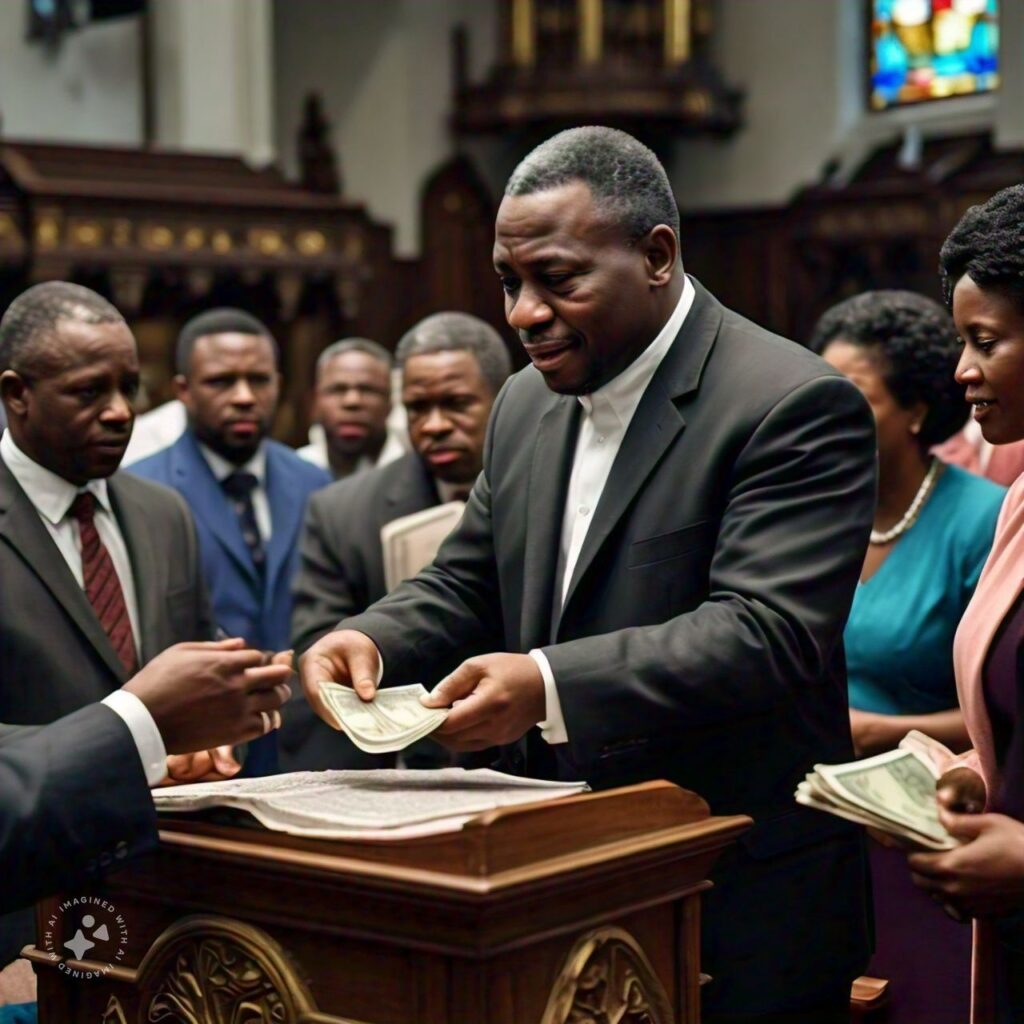
However, a closer examination reveals a startling truth: churches are increasingly venturing into lucrative business ventures, prioritizing profit over people.
This phenomenon has led to a paradoxical situation where church members are burdened with financial obligations, while pastors and church leaders bask in opulence.
One of the most striking examples of the church’s foray into business is the establishment of schools.
From primary to secondary schools and even universities, churches have created an extensive educational network.
While these institutions provide quality education, they also generate substantial revenue for the church.
Tuition fees, admission charges, and other expenses contribute significantly to the church’s coffers.
Similarly, churches have ventured into the healthcare sector, establishing hospitals and medical facilities.
These institutions provide essential services but also reap substantial financial benefits. The question remains: should church members be expected to pay tithes and offerings when the church itself has multiple streams of income?
The answer is unequivocal: no. Church members should not be strained financially, especially when the church has its own income-generating activities (IGAs).
Pastors and church leaders receive monthly salaries, drive luxury cars, and reside in opulent homes, all while encouraging their congregants to give generously, promising them heavenly rewards.
This stark contrast between the church’s wealth and its members’ struggles has sparked widespread criticism.
Many argue that the church’s focus on financial gain has compromised its spiritual mission.
The emphasis on tithing and offerings has become a tool for exploitation, rather than a genuine expression of faith.
“The church has become a business, and we’re the customers,” laments Emily, a frustrated church member. “They’re more concerned with collecting money than helping us spiritually.”
This sentiment is echoed by many who feel that the church’s priorities have shifted from serving the community to serving its own interests.
The implications of this trend are far-reaching. Church members, already struggling financially, are forced to sacrifice even more to support the church’s lavish lifestyle.
This has led to decreased giving, as members become disillusioned with the church’s motives.
Moreover, the church’s focus on financial gain has compromised its moral authority.
How can church leaders preach about humility and selflessness while indulging in luxury themselves?
To restore the church’s integrity and spiritual purpose, a fundamental shift is necessary.
Church leaders must reevaluate their priorities, recognizing that their primary responsibility lies in serving their congregation, not accumulating wealth.
Transparency is essential. Church finances should be openly disclosed, ensuring accountability and trust.
Members have the right to know how their contributions are being utilized.
Ultimately, the church must rediscover its true mission: spreading love, compassion, and hope.
By doing so, it will reclaim its moral authority and spiritual relevance.
As the Bible teaches, “Where your treasure is, there your heart will be also” (Matthew 6:21).
The church’s treasure should not be measured in dollars and cents but in the hearts of its members.
The church’s hidden agenda of exploiting faith for financial gain must be exposed and addressed.
Church members deserve better. They deserve a church that prioritizes their spiritual growth and well-being over financial profit.
By reclaiming its spiritual purpose and prioritizing its members’ needs, the church can once again become a beacon of hope and light in the community.
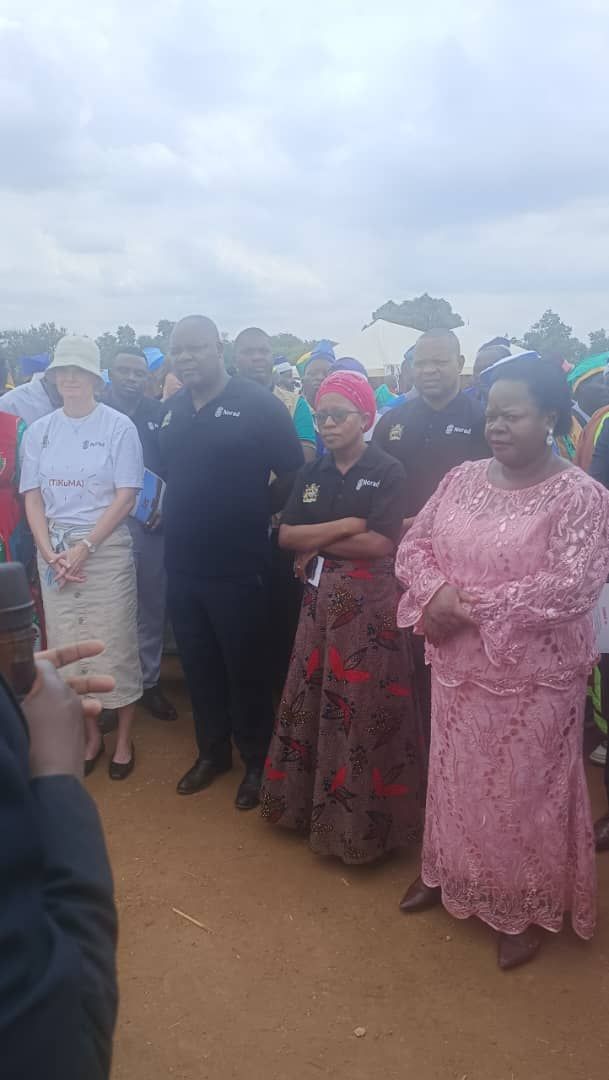
The Principal Secretary for Basic Education in the Ministry of Education, Dr. Rachel Chimbwete Phiri, announced the launch of the TiKuMA Programme, a significant initiative aimed at improving children’s educational rights and outcomes in Malawi. The launch took place on Thursday at Mduwa Primary School in Mchinji District, with the event underscoring the government’s commitment to advancing children’s rights to education.
Funded by the Norwegian government through the Norwegian Agency for Development Cooperation (Norad) with an investment of K18 billion, the TiKuMA Programme will be implemented across three Traditional Authorities (TAs) in Mchinji and six TAs in Balaka. The program aims to ensure that all children can access education and are supported by robust community and government systems by 2028.
Dr. Phiri expressed optimism regarding the programme’s potential, citing past successful collaborations between the Malawian government and Save the Children, which were also aligned with Norwegian funding. She highlighted the achievements of previous initiatives, including the Malawi Inclusive Education Programme, which improved educational access for vulnerable children in various districts.
“Today, I stand here reflecting on the valuable work we’ve achieved together with Save the Children and with the generous support from the Government of Norway and Norad,” Dr. Phiri remarked, emphasizing the positive impact of initiatives like the Securing Child Rights through Education and Protection (SCREP) Programme. She noted significant improvements in educational outcomes, including a rise in reading proficiency among Grade 4 learners and a reduction in the dropout rate among girls due to child marriage.
Dr. Nertha Semphere Mgala, Principal Secretary in the Ministry of Gender, Community Development and Social Welfare, also spoke at the launch, reinforcing the inseparable link between education and protection for all children. “The government will continue to tackle challenges to ensure no child is left behind,” Dr. Mgala stated.
Norwegian Ambassador to Malawi Ingrid Marie Mikelsen reaffirmed her country’s dedication to advancing children’s rights through improved education and child protection systems.
The Ministry of Education will spearhead the TiKuMA Programme, focusing on enhancing the capacity of school leadership, promoting digital technology in teaching literacy and numeracy, and adopting child-centered, participatory teaching practices. This initiative represents a significant step forward in enhancing educational outcomes for children in Malawi, ensuring a brighter future for the nation’s youth.