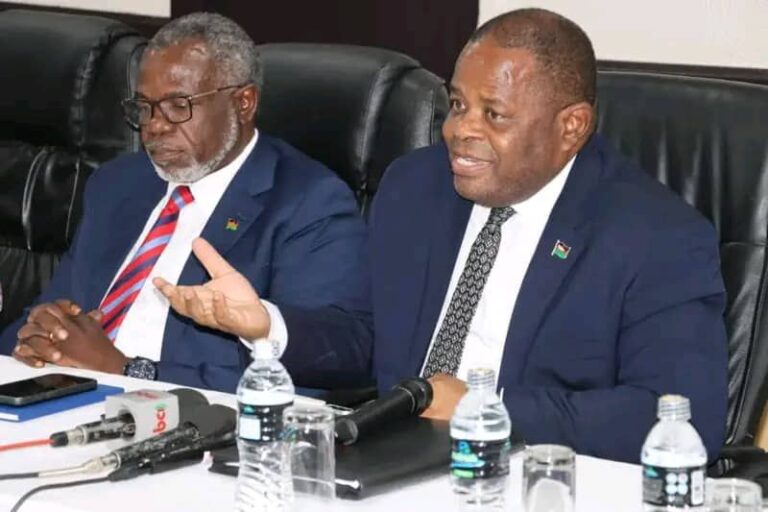
Blantyre, October 2 – Secretary to the Treasury, Hetherwick Njati, has confirmed that all former Heads of State will be in attendance at the swearing-in and inauguration ceremony of President-Elect Professor Arthur Peter Mutharika.
The highly anticipated ceremony is scheduled to take place on Saturday at Kamuzu Stadium in Blantyre.
Speaking during a press conference on Thursday, Njati, who also serves as a member of the President-Elect’s inauguration committee, outlined the preparations for the historic event.
He emphasized that the ceremony will follow established protocol, with proper arrangements in place for both invited dignitaries and members of the general public.
Njati and PolePole
Njati further revealed that preparations for the swearing-in of Malawi’s 7th President have reached an advanced stage.
He encouraged Malawians from all walks of life to take part in what he described as a historic national occasion.
“The public is encouraged to attend the ceremony at Kamuzu Stadium,” Njati stated.
He added that for those unable to travel to Blantyre, viewing centres have been arranged in Lilongwe, Mzuzu, and Mangochi to ensure nationwide participation.
The inauguration is expected to draw a wide range of attendees, including both local citizens and international dignitaries.
Invited Heads of State from across the region are also expected to be present, a sign of Malawi’s continuing diplomatic engagement on the continental stage.
The event marks a significant moment in Malawi’s political history as Professor Mutharika prepares to take the oath of office and begin his tenure as the country’s 7th President.
The presence of all former Heads of State is seen as a symbol of unity and continuity in Malawi’s democratic journey.
As preparations conclude, anticipation is building across the nation for the inauguration, which will not only mark the beginning of Mutharika’s leadership but also showcase Malawi’s democratic traditions to the world.
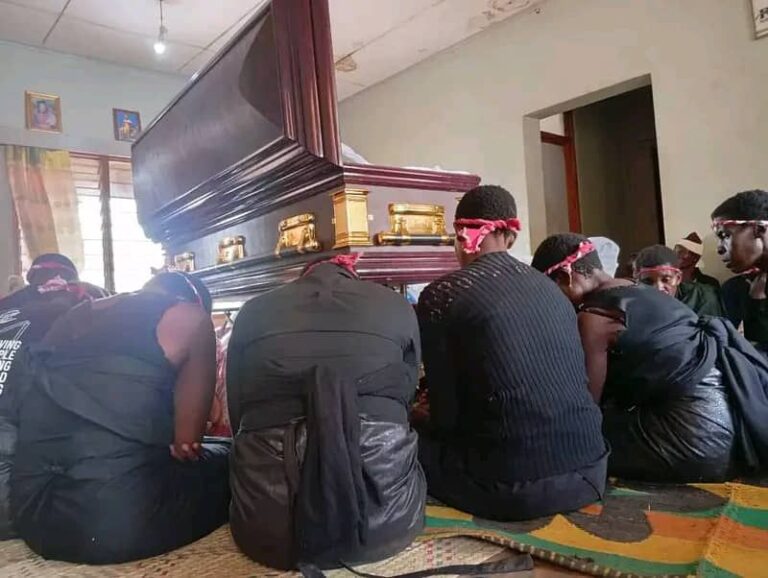
The Maseko Ngoni have dismissed rumours that tradition was broken during the burial of Senior Chief Kwataine Masina at Madzanje Headquarters in Ntcheu.
Speculation had spread on social media and in some circles that the late chief had not been accorded the traditional burial rites expected of Ngoni royalty.
Ngoni historian Rodney Kanyama explained that there was no breach of cultural practice and that the burial was conducted in full respect of the customs of the Maseko Ngoni.
He clarified that the special seated burial style, often associated with Ngoni leadership, is reserved only for certain clans within the community.
According to Kanyama, the Masina family does not customarily bury their chiefs in a seated position.
He pointed out that within the Masina lineage, only their great-grandfather, Lunduka, was buried in that unique style, a gesture that honoured his bravery and exceptional achievements.
For all other chiefs in the Masina line, including Senior Chief Kwataine, the accepted cultural practice has been burial in a lying position.
Kanyama stressed that the community had followed tradition correctly and that suggestions of a broken custom were unfounded.
He added that spreading false claims about cultural practices risks undermining the dignity of both the deceased leader and the Ngoni community at large.
The historian went further to explain that burial traditions among the Ngoni are diverse, shaped by both clan identity and historical events.
In some clans, especially those closely tied to warrior traditions, chiefs and distinguished leaders were buried in a seated position, symbolizing vigilance and readiness for battle even in death.
This practice was not universal across the Ngoni but was reserved for select families whose ancestors had earned such distinction through courage and military prowess.
Other clans adopted the lying position as their burial custom, which symbolized rest, peace, and continuity within the lineage.
Over the years, these practices became deeply rooted within specific family lines, creating variations even within the same Ngoni community.
Kanyama explained that the Masina family’s tradition of lying burials reflects this diversity and should not be seen as a departure from Ngoni heritage but rather as a faithful continuation of their clan’s customs.
He emphasized that the strength of Ngoni culture lies in its ability to preserve unique practices within different families while maintaining collective identity as one people.
The clarification comes as mourners continue to celebrate the life and legacy of Senior Chief Kwataine, whose leadership left a lasting impact on Ntcheu and the nation as a whole.
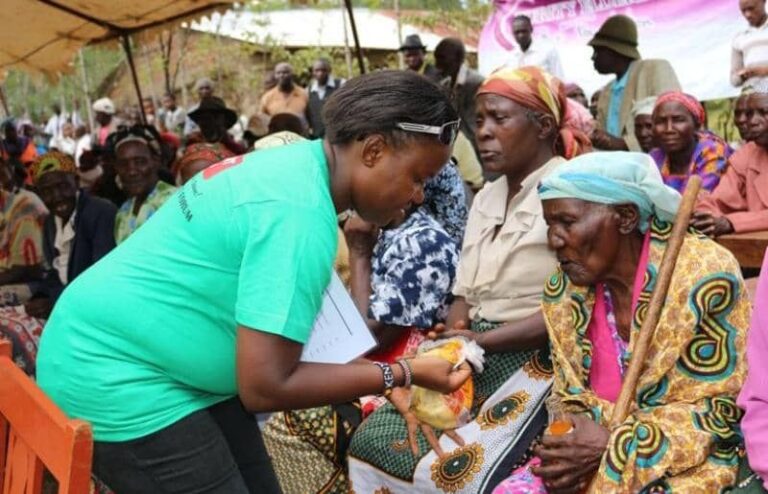
As the world observes the United Nations Day for Older Persons today, the Zambian Human Rights Commission has expressed concern over the continued discrimination and abuse faced by senior citizens in many African countries, including Zambia.
The commission noted that older persons are often subjected to violence and even death, driven by deep-rooted superstitions, economically motivated rituals, and a lack of understanding of age-related conditions such as memory loss.
In Zambia, there have been reports of elderly individuals being targeted for traditional rituals, with perpetrators often exploiting myths that claim the body parts of senior citizens possess special powers.
Similar patterns have been observed in countries like Malawi, Tanzania, and South Africa, where harmful traditional practices, neglect, and domestic abuse have endangered the lives and dignity of older persons.
In response, the commission is calling for effective public awareness campaigns, the enactment of protective laws, and the rigorous enforcement of existing legislation aimed at preventing and punishing violations of the rights and dignity of the elderly.
For example, Zambia’s Anti-Gender-Based Violence Act provides legal recourse for abuse against vulnerable groups, including the elderly, though enforcement remains inconsistent, highlighting the need for strengthened implementation mechanisms.
This year’s United Nations International Day of Older Persons is being commemorated under the theme: “Older persons driving local and global action: Our aspirations, our well-being and our rights.”
Commission spokesperson Mweelwa Muleya highlighted that the theme emphasizes the transformative role older persons play in building resilient and inclusive societies, drawing on their invaluable knowledge and life experience.
Mr. Muleya further stated that senior citizens are a national heritage and must be treasured and protected from any form of harm.
He urged communities, governments, and civil society to recognize the contributions of older persons and to ensure their safety, well-being, and full participation in society.
Across Africa, various initiatives have been launched to protect the elderly. In South Africa, social support programs provide pensions, healthcare services, and legal assistance to older citizens, while Kenya has community-based elder care initiatives aimed at preventing isolation and abuse.
The Human Rights Commission’s call comes amid increasing reports of neglect, abuse, and harmful traditional practices targeting the elderly, underlining the need for urgent action to safeguard their rights.
Experts note that education campaigns, community vigilance, and stronger legal protections can significantly reduce elder abuse, while promoting respect for the elderly as custodians of knowledge and culture.
Observing the International Day of Older Persons serves as a reminder that societies thrive when older citizens are respected, empowered, and allowed to contribute to social, cultural, and economic development.
It is also an opportunity for governments and civil society organizations to evaluate existing policies, improve enforcement mechanisms, and collaborate with communities to protect the dignity and well-being of senior citizens.
*Economic and social value of older persons*
Beyond their social and cultural contributions, older persons play a critical economic role in African societies. They often provide childcare, mentorship, and informal support for households, allowing younger family members to engage in education or employment.
In rural areas, elderly farmers contribute to local food security through agricultural knowledge passed down through generations. They also participate in local governance structures, community conflict resolution, and traditional leadership, helping maintain social cohesion.
Protecting the rights and well-being of older citizens directly supports national development. Ensuring they have access to healthcare, pensions, and legal protection reduces dependency pressures on families, strengthens social safety nets, and enhances overall productivity.
Furthermore, empowering older persons to remain active in society fosters intergenerational knowledge transfer, innovation, and cultural continuity, creating stronger, more resilient communities.
Ultimately, safeguarding the rights of older persons is not just a moral imperative—it is an investment in sustainable development, social stability, and the long-term prosperity of African nations.
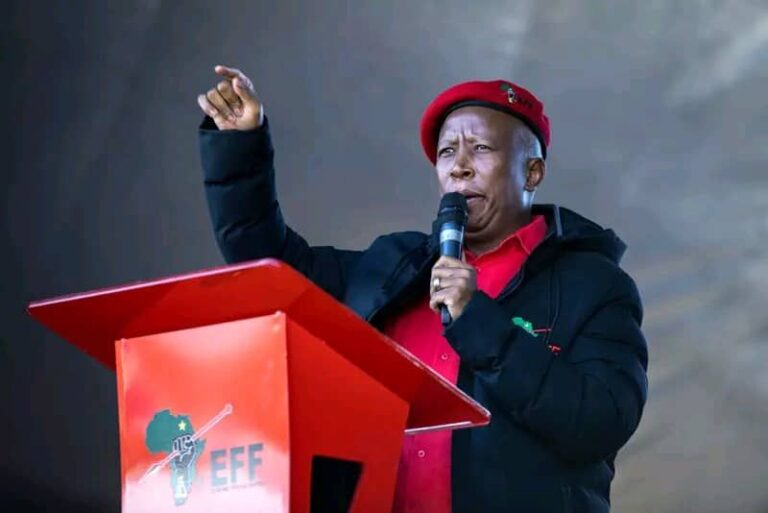
South African opposition politician Julius Malema has been found guilty on five counts in a high-profile case concerning the discharge of a firearm.
The case stems from an incident during a 2018 anniversary celebration of his party, the Economic Freedom Fighters (EFF), where Malema allegedly fired a weapon.
Although the court has reached a verdict, Julius Malema has not yet been sentenced.
Legal experts note that he faces a potential prison term ranging from a minimum of two years to a maximum of 15 years, depending on the judge’s final ruling.
The conviction marks a significant moment in South African politics, as Malema is a prominent and polarizing figure who has built his influence through fiery rhetoric and populist policies.
Observers suggest that the outcome could have ramifications for his political career and the future activities of the EFF, especially as the party positions itself ahead of upcoming elections.
Malema
Supporters of Malema have already expressed concern over the ruling, claiming it may be politically motivated, while critics argue that it demonstrates accountability for unlawful actions, even by high-profile leaders.
Legal analysts anticipate that Malema’s defense team may appeal the decision, potentially prolonging the judicial process and keeping the case in the public eye.
The verdict also underscores South Africa’s broader challenges with firearm regulation and political conduct, particularly during mass rallies and party celebrations.
Across Africa, several political leaders have faced legal battles that tested their parties and movements.
In Zimbabwe, the late Morgan Tsvangirai, leader of the Movement for Democratic Change, was repeatedly arrested, detained, and harassed under Robert Mugabe’s regime, yet his legal struggles galvanized support and strengthened his party’s credibility among the electorate.
In Zambia, opposition leader Hakainde Hichilema was arrested multiple times under the Edgar Lungu administration on charges widely perceived as politically motivated, yet these challenges allowed him to frame himself as a resilient champion of democracy, eventually helping him secure the presidency in 2021.
Kenya offers another example: Raila Odinga faced repeated arrests, detentions, and political restrictions under various administrations, but his persistence enabled him to maintain a strong support base and influence national politics for decades.
These cases illustrate a common pattern in African politics: legal challenges against opposition leaders often strengthen their political narratives rather than weaken them, turning trials into opportunities to mobilize supporters and gain international attention.
For Julius Malema, the firearm conviction could similarly become a defining moment, positioning him as a defiant figure who continues to challenge the status quo despite legal hurdles.
As South Africa awaits his sentencing, both the EFF and the broader political landscape will be watching closely to gauge how this verdict shapes public perception, party cohesion, and the dynamics of the opposition ahead of upcoming elections.
The Malema case also serves as a cautionary tale for governments that attempt to use the legal system to weaken political opponents.
History across Africa shows that prosecuting opposition figures often backfires, transforming legal battles into platforms for mobilization, international sympathy, and political legitimacy.
By targeting prominent leaders like Malema, authorities risk reinforcing the narrative that the state governs through coercion rather than consent, which can energize supporters and attract global attention.
If mishandled, prosecutions can elevate the very figures governments aim to sideline, turning them into symbols of resistance and resilience.
For South Africa, the judicial process surrounding Malema will not only determine his personal fate but could also reshape political dynamics, highlighting the delicate balance between enforcing the law and preserving democratic credibility.
In the end, Malema’s conviction is a reminder that governments who overreach in targeting opposition leaders may achieve short-term control but inadvertently strengthen the long-term influence of the opposition.
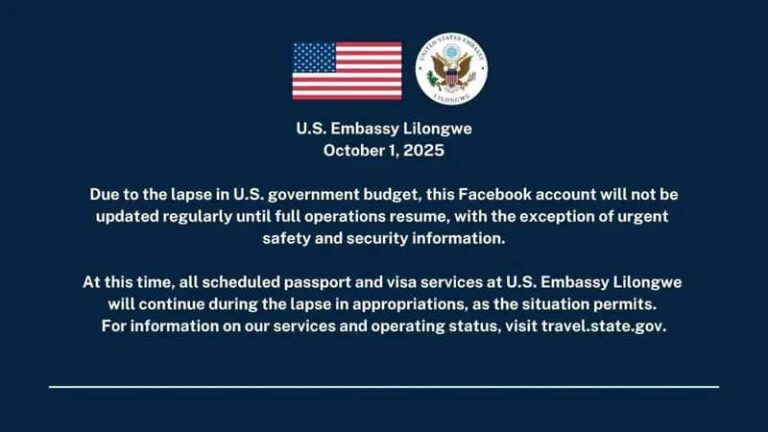
The United States Embassy in Lilongwe has announced that it will not update its Facebook page regularly until the ongoing budget lapse in Washington is resolved.
A government shutdown occurs when the US Congress fails to pass a budget to fund federal agencies, creating disruptions in normal operations both at home and abroad.
In a post dated October 1, 2025, the embassy informed the public that its Facebook account will remain largely inactive.
The embassy emphasized that the only exceptions will be posts carrying “urgent safety and security information,” ensuring that critical updates still reach American citizens and the wider public in Malawi.
The announcement comes at a time when political gridlock in the United States has once again led to uncertainty in federal operations, raising concerns about the impact on diplomatic missions and the services they provide.
Despite the reduced online activity, the embassy reassured Malawians and Americans living in the country that essential consular services will continue.
Reads the embassy’s message: “At this time, all scheduled passport and visa services at US Embassy Lilongwe will continue during the lapse in appropriations, as the situation permits.”
This means that applications for visas, passport renewals, and other vital services will still be processed, though the embassy cautioned that unforeseen developments in Washington could affect operations.
The decision to scale back social media updates underscores how deeply budgetary disputes in the US Congress ripple across the world, even affecting embassies thousands of miles away.
For Malawians, the embassy’s statement is a reminder of the interconnectedness of global governance, where domestic challenges in one nation can have immediate effects on another.
The embassy also sought to reassure the public that it remains committed to safeguarding the welfare of both American citizens in Malawi and Malawians engaging with US services.
As Washington struggles to break its budget deadlock, the scaled-back communication from the US Embassy in Lilongwe highlights the global implications of political paralysis in the world’s largest economy.
This is not the first time that diplomatic missions in Africa have felt the effects of a US government shutdown.
In 2013, during a 16-day shutdown under President Barack Obama, many US embassies across the continent reduced non-essential activities, limiting cultural exchanges and delaying some development assistance programs.
In 2018 and early 2019, the United States experienced its longest-ever government shutdown, lasting 35 days under President Donald Trump, which disrupted grant disbursements and slowed aid programs in countries such as Kenya, Uganda, and Malawi.
Although essential services like visa issuance were maintained as long as funding permitted, embassies were forced to prioritize emergency functions and scale back engagement in areas such as education initiatives, public diplomacy, and technical support to African governments.
For Malawi, where the United States has long been a critical partner in health programs, agriculture, and governance reforms, such disruptions serve as reminders of how dependent bilateral projects can be on stable funding decisions in Washington.
The suspension or delay of development funding during past shutdowns sometimes caused uncertainty for local implementing partners, particularly in areas supported by USAID.
This history illustrates the vulnerability of African nations to political stalemates in the United States, despite being far removed from Capitol Hill debates.
As Malawi waits for Washington to resolve the current budget standoff, the embassy’s reduced communication is both a precautionary measure and a symbol of how far-reaching the consequences of US domestic politics can be.
For now, the embassy’s promise to maintain consular services provides reassurance, but the episode raises larger questions about resilience, dependency, and the global costs of political deadlock in America.