

Tuesday, December 16, 2025
No menu items!
spot_img
Home Blog Page 838

Hundreds of Chipata Residents Celebrate Zambia’s 60th Independence Anniversary

By Burnett Munthali

Hundreds of Chipata residents gathered today at the David Kaunda Stadium to commemorate Zambia’s 60th independence anniversary, joining the rest of the nation in celebrating six decades of freedom. The event, filled with patriotic pride, reflected on Zambia’s journey since gaining independence from British colonial rule on October 24, 1964.

The celebrations in Chipata were a blend of cultural performances, speeches, and displays of national unity. Dressed in the Zambian colors of green, red, black, and orange, residents turned out in large numbers, emphasizing the strong sense of national identity and pride that continues to inspire the country’s people.
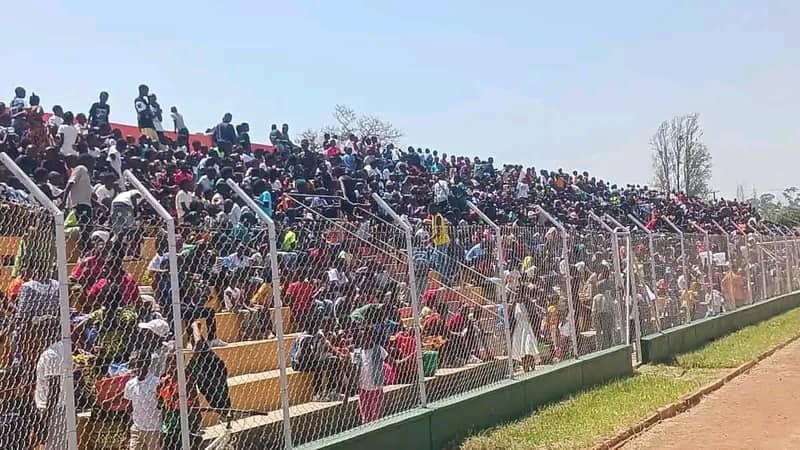


The local ceremony at the David Kaunda Stadium saw participation from government officials, traditional leaders, students, and ordinary citizens, all of whom gathered to reflect on Zambia’s achievements and the road ahead. The speeches highlighted the resilience of the Zambian people, the strides made in economic development, healthcare, and education, as well as the ongoing efforts to build a prosperous future for all Zambians.

In his address, one of the key speakers in Chipata paid tribute to Zambia’s founding leaders, such as Dr. Kenneth Kaunda, who played an instrumental role in securing the country’s freedom. The speaker also encouraged Zambians to continue upholding the values of unity, peace, and hard work that have kept the country stable over the years.

Cultural dancers and schoolchildren also performed, adding a festive air to the proceedings. Their performances celebrated Zambia’s rich heritage and diversity, reminding the audience of the importance of preserving the country’s cultural traditions while also embracing progress and modernization.

As Chipata joined the rest of the nation in celebrating this milestone, the 60th anniversary served as a moment of reflection for many. It marked not only a celebration of independence but also a time to renew the collective spirit of patriotism and commitment to Zambia’s future.

Happy 60th Independence Anniversary, Zambia! May the nation continue to rise and prosper in the years to come.
Limwame urges Govt to establish more arts schools to unlock creative potential

By Chisomo Phiri

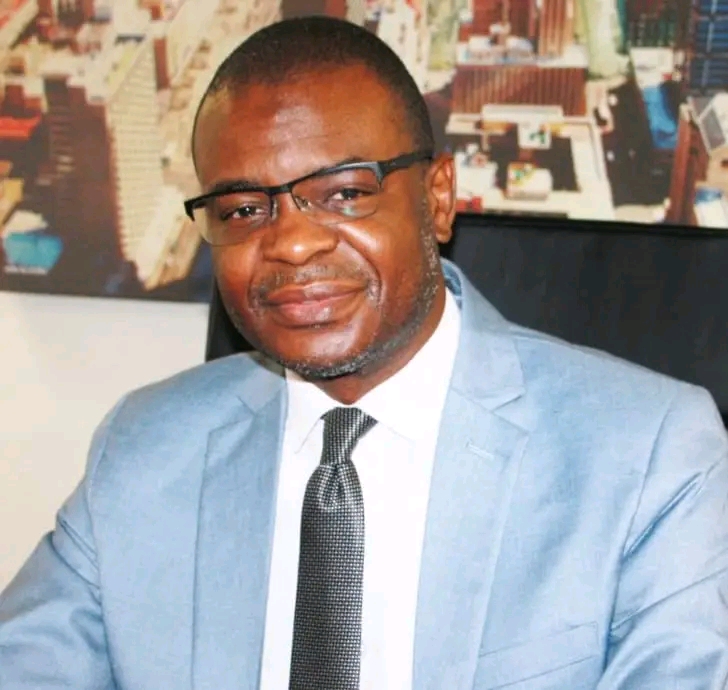
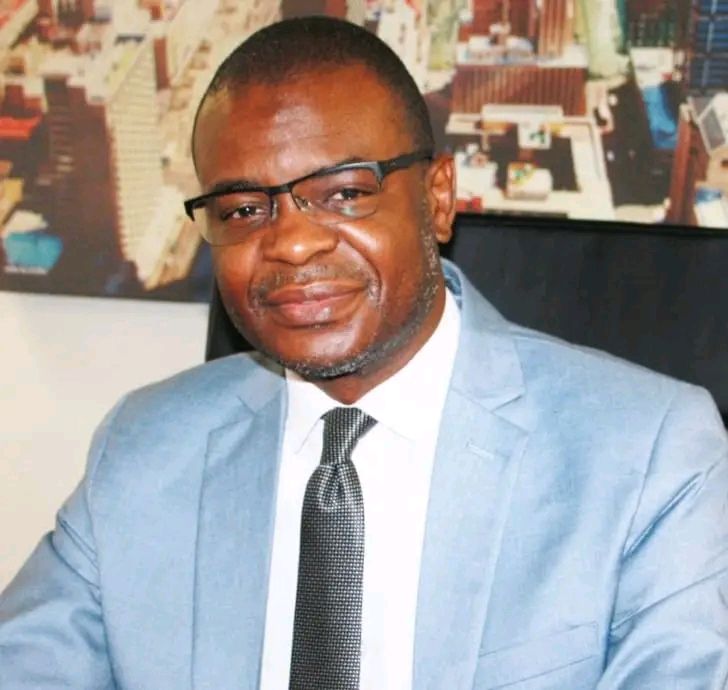
Director of Chitoliro Productionz, Ken ‘Zizwa’ Limwame, has urged the government to establish more specialized schools of arts to nurture the creative talents of individuals and contribute to the economic development of the country.

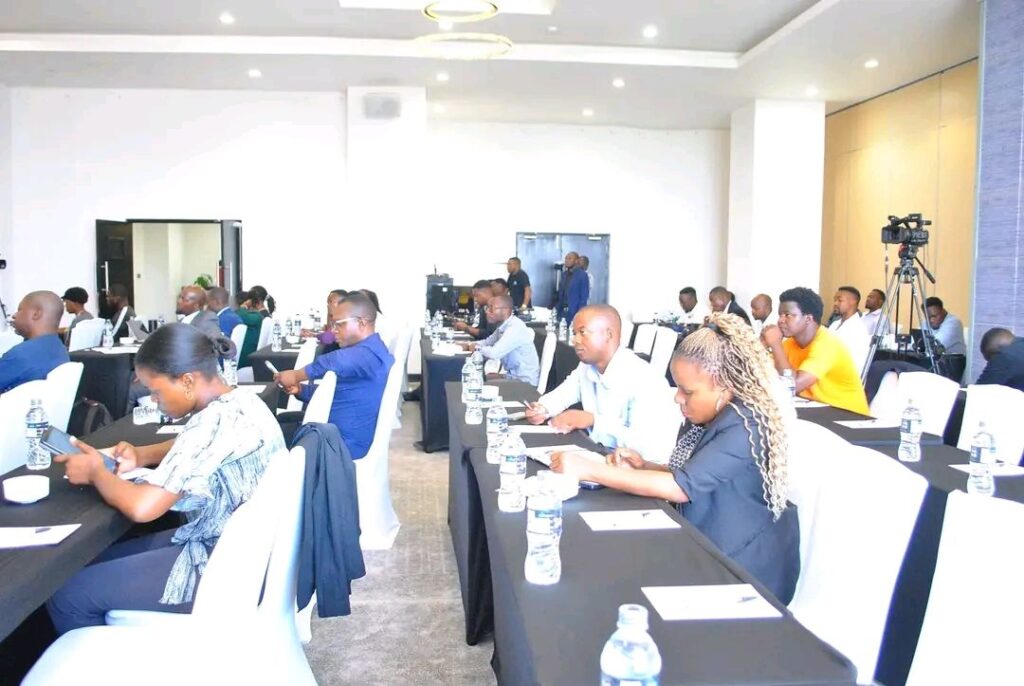
He made the call on Wednesday during the start of the two-day Chitoliro Conference for Cultural and Creative Industries at Amaryllis Hotel in Blantyre.

Said Limwame:”The argument is that art is an inherent part of human identity and cultural expression, and everyone has the potential to be an artist.

Ken ‘Zizwa’ Limwame,


“While some may excel in drawing, others may find their voice in singing or other forms of artistic expression.

“The importance of art in human development cannot be overstated, and it is essential to recognize its value in shaping our identity and cultural heritage.”

He explained that to fully harness the power of the country’s arts and cultural creative industries, there is a need for policy frameworks, support mechanisms, and strategies to commercialize these industries.

“This will not only make their contribution to the country’s economic development more visible but also significant.”

“By investing in specialized arts schools and providing the necessary resources, we can unlock the creative potential of individuals and foster a vibrant arts sector that drives innovation, entrepreneurship, and economic growth.

“Let us embrace the arts as a vital part of our human experience and work towards creating an ecosystem that supports and celebrates creativity in all its forms,” he said.

On his part,chairperson of the Copyright Society of Malawi (COSOMA),Reverend Dr. Chimwemwe Mhango, echoed Limwame’s sentiments by calling for collaborative efforts in the promotion of the country’s creative industry.

“There is indeed a need for the country to open up more schools of arts.”

“The country has more talented people that need to be well-nurtured to open up their minds and understand their roles even during their challenging times of their career,” said Mhango.

The conference was held under the theme’ Evolutionary Exploration of Creative Industries’ Role for Sustainable Development’

Lawyer Alexius Kamangila Questions Judicial Service Commission’s Accountability and Addresses Corruption Concerns

0


By Burnett Munthali

In a recent Facebook post, prominent Malawian lawyer Alexius Kamangila raised critical questions about the effectiveness of the Judicial Service Commission (JSC) and its response to complaints received since 2020. His inquiry was directed toward His Honour Judge Nebi, asking how many complaints the JSC has received over the past few years and what actions have been taken in response.

Kamangila’s question reflects growing concerns about the transparency and accountability of Malawi’s judicial system. He emphasized that it is not enough for the JSC to passively wait for complaints, suggesting that the commission should proactively address issues affecting the integrity of the judiciary. He highlighted the need for tangible results in addressing public grievances and holding the judiciary to higher standards.

Alex Kamangila


Kamangila also linked his inquiry to the ongoing controversy surrounding the appointment of Henry Kachaje as CEO of the Malawi Energy Regulatory Authority (MERA). Kachaje’s appointment, which has been mired in controversy over his qualifications, is a key example cited by concerned citizens about the judiciary’s involvement in what they see as protecting criminality. Kamangila’s post reflects frustration with the legal processes that allowed Kachaje to remain in his position despite evidence suggesting he was unqualified at the time of applying for the role.

He did not hold back in his criticism, calling for the Anti-Corruption Bureau (ACB) to arrest not only Kachaje but also the judge who issued an injunction protecting him, as well as any officials who facilitated his questionable appointment. Kamangila believes that such actions contribute to the wider problem of corruption in Malawi and are hindering the country’s progress. “Ku Malawi we protect criminality and wonder why the country isn’t progressing,” he remarked, reflecting the sentiment shared by many Malawians concerned with the state of governance and justice.

Returning to his central question to Judge Nebi, Kamangila asked why the JSC should wait for complaints before acting on issues affecting the integrity of the judicial system. His criticism suggests that a more proactive approach is necessary to restore public confidence in the judiciary.

Kamangila’s post is resonating with a public increasingly frustrated with the slow pace of judicial reform and the perception that certain individuals or officials are being shielded from accountability. His comments serve as a rallying call for greater scrutiny of the judiciary and other institutions responsible for upholding the rule of law in Malawi.

In conclusion, Kamangila’s inquiry underscores the importance of holding the JSC accountable for its actions—or lack thereof—since 2020, and his remarks about Kachaje’s appointment are a stark reminder of the deep-rooted challenges Malawi faces in combating corruption. As citizens wait for a response from the JSC, the lawyer’s bold stance is likely to fuel further debate on the need for systemic reforms within the country’s legal and governance structures.

Malawi’s current economic woes: A call for fiscal responsibility

0


By Chisomo Phiri

The Don Consultancy Group (DCG) Chief Economist and Alliance for Democracy (AFORD) National Director for Economic Affairs, Chifipa “Chifi” Mhango, say the Malawi Congress Party (MCP) government is facing significant challenges in managing the country’s economy, with import cover reaching alarmingly low levels.

The two sounded the alarm on the country’s fiscal health.

Mhango cited the Reserve Bank of Malawi’s latest data, which reveals a widening budget deficit, skyrocketing government expenditure, and a massive accumulation of government debt, accounting for over 80% of the country’s Goss Domestic Product (GDP).

Chitipa Mhango


“The numbers are staggering. Malawi’s government expenditure has ballooned from Mk1.8 trillion in 2020 to a record Mk3.3 trillion in 2023. In the first eight months of 2024 alone, the government has already spent Mk3.6 million, surpassing the total expenditure for 2023.

“What’s more, a whopping 75.1% of this expenditure has gone towards administrative costs, leaving a meager 24% for development projects,” he said.

Mhango indicated that the country’s foreign exchange reserves have dwindled to critical levels, making it difficult to import essential goods like fuel and fertilizer.

He said as of August 2024, the reserves stood at Mk941.4 billion, equivalent to 0.5 months or 15 days of import cover.

Mhango said he believes that the current approach of devaluing the Kwacha has not boosted exports due to a weak production base and uncompetitive products.

He said Instead, devaluations are done to influence forex demand in the market.

With the growing need for foreign currency and the country reaching stressful levels of import cover, Mhango warned that further devaluation of the Malawi Kwacha may be imminent.

He indicated that AFORD is currently drafting an economic policy with clear targets and implementation strategies to address these challenges.

“The party plans to present its manifesto in September 2025, outlining action-oriented and results-driven goals to correct Malawi’s economic course.

“The World Bank has also highlighted Malawi’s economic challenges, including a high fiscal deficit, inflation, and a significant current account deficit.

“The bank’s Country Partnership Framework (CPF) for Malawi focuses on bolstering foundations for growth and accountability, promoting private sector-led jobs, and strengthening human capital development, with digital development and women’s empowerment as cross-cutting themes,” he said.

Mhango’s warning comes as Malawi’s economic growth is projected to slow down due to drought and other external factors.

The country’s reliance on rain-fed agriculture, coupled with its vulnerability to climate change, poses significant risks to its economic stability.

The International Monetary Fund has estimated that Malawi needs approximately $1.6 billion in external financing to meet its development needs.

In light of these challenges, it is imperative for the Malawi government to adopt a more fiscally responsible approach to managing the economy.

This includes reducing expenditure, increasing revenue, and exploring alternative sources of financing.

By doing so, Malawi can mitigate the risks associated with its economic instability and create a more sustainable future for its citizens.

Blantyre Synod awards best performing students and members of staff

0

By Durell Namasani


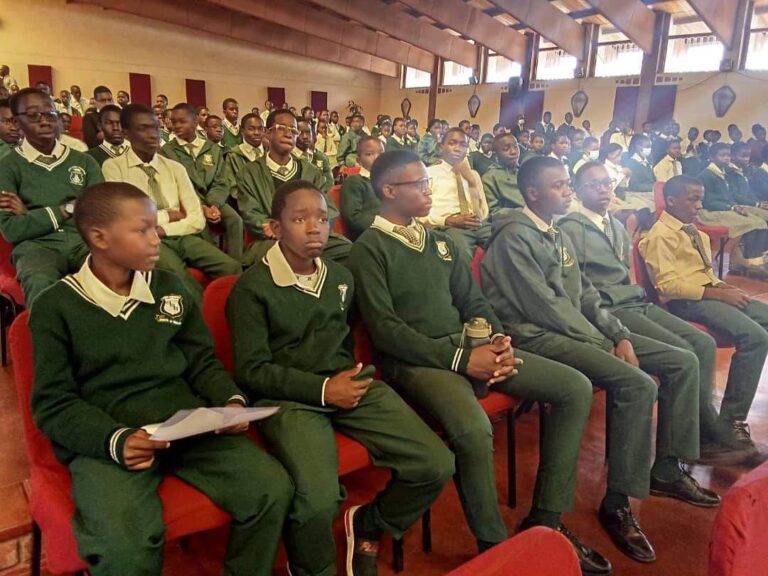
CCAP Blantyre Synod has awarded best performing students and members of staff for the outstanding performance during this year’s Malawi School Certificate of Education (MSCE) examinations.

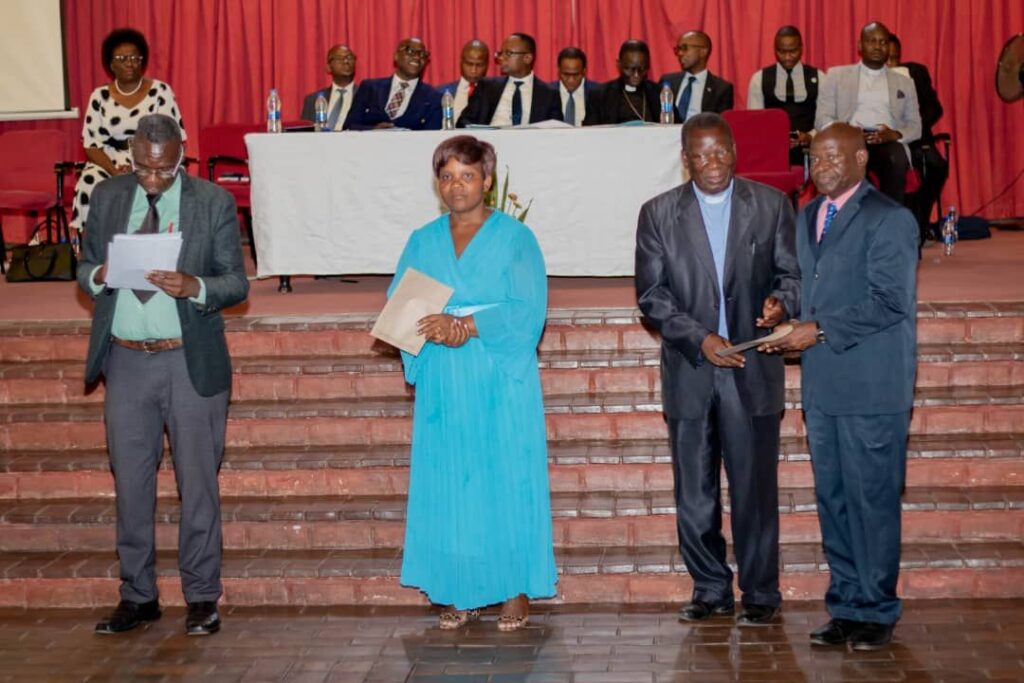
The students and the teachers were awarded during the Blantyre Synod Education Department Excellence Awards which took place at the Synod’s headquarters in Blantyre.

Gomezgani Gowelo of Henry Henderson Institute (HHI) came out as the best performer in the MSCE exams after scoring 11 points followed by Thandizo Chikwatu of Neno Girls Mission Secondary School who scored an aggregate of 13 points.


The Synod also awarded Merdadus Kudzingo, a teacher at Domasi Mission CCAP Secondary School, for emerging as the Overall best teacher.

Out of 638 students that sat for MSCE exams in all Blantyre Synod Schools, 602 passed representing an achievement of 94.3 percent.

Blantyre Synod Deputy General Secretary Reverend Buxton Maulidi and FDH Bank plc Managing Director George Chitera were among the people that graced the occasion.