Musician Amidu Ellani has released visuals to his song ‘Mwana Wanu’ and Malawians have been reacting to the brand new music video.
Like it was the case with his first single ‘Udikirebe’, the latest video has attracted positive feedback back from the general public and fellow artists.
Here are some of the comments taken randomly from Social media
Charity Mphepo Kadetseka “Luso losakakamiza komanso the video is very demuree.”
Hento Wamayina “That’s what we call creativity.”
Nicho Banda “I dont what happened with Lawi koma I would love to see Ellan grow under the wisdom of Lawi. Great song Pure Talent.”
Qaso “Beautiful piece of art dolo uyu.”
Thomik MK NK “Amidu Monjeza nyimboyi tithatu kutengela Grammy .”
Princ
Ellani
e Kho “I’ve really liked this song… Thank God the video is finally out.”
Emmanuel Campeche Perez “This song has a strong message, anyway is awesome song.”
Martin Hans “When Talent meets creativity 💯.”
Harley Banda Jnr “Za simple kma za smart uyu ndi shasha .”
Nazra Mkandawire “Luso losakakamiza lili mwa mwanayu.”
Daniel Tsanzo Chisamba “This is pure talent not forced .”
According to Ellani’s Manager Vitumbiko Mumba, the song (Mwana Wanu) is from the album the artist is working on which will be released next year.
You can watch ‘Mwana Wanu’ music video by following the link below https://youtu.be/-YOWcddUXx0
In a Facebook post, Honorable Mary Thom Navicha, Member of Parliament and National Director of Women for the Democratic Progressive Party (DPP), addressed the viral news of her purported arrest.
Navicha clarified that while her name is reportedly on the list of individuals to be arrested, she has not been taken into custody.
Navicha recounted her busy day, attending parliamentary meetings and waiting in line for fuel, which led to her phone shutting off.
Upon waking up, she was alarmed to find news of her arrest circulating on social media.
Navicha
“I was so alarmed when I woke up to see news of my purported arrest,” Navicha stated. “I want to assure the public that I am safe and sound.”
Navicha emphasized her willingness to cooperate with authorities, stating, “Should Malawi Police formally invite me for questioning at whatever police station, I personally will go there to hand in myself and everyone will know.”
This clarification comes amidst rumors and speculation surrounding potential arrests of high-profile individuals in Malawi.
As a prominent figure in Malawi’s political landscape, Navicha has been instrumental in advocating for women’s rights and empowerment.
Navicha’s Facebook post garnered widespread attention, with many expressing relief and support.
The Malawi Police have not officially commented on the reported list of individuals to be arrested.
As the situation unfolds, Navicha’s assurance of cooperation and transparency is crucial in maintaining public trust.
Malawi, a nation known for its rich cultural heritage and resilient people, has faced significant challenges in its quest for democracy and good governance.
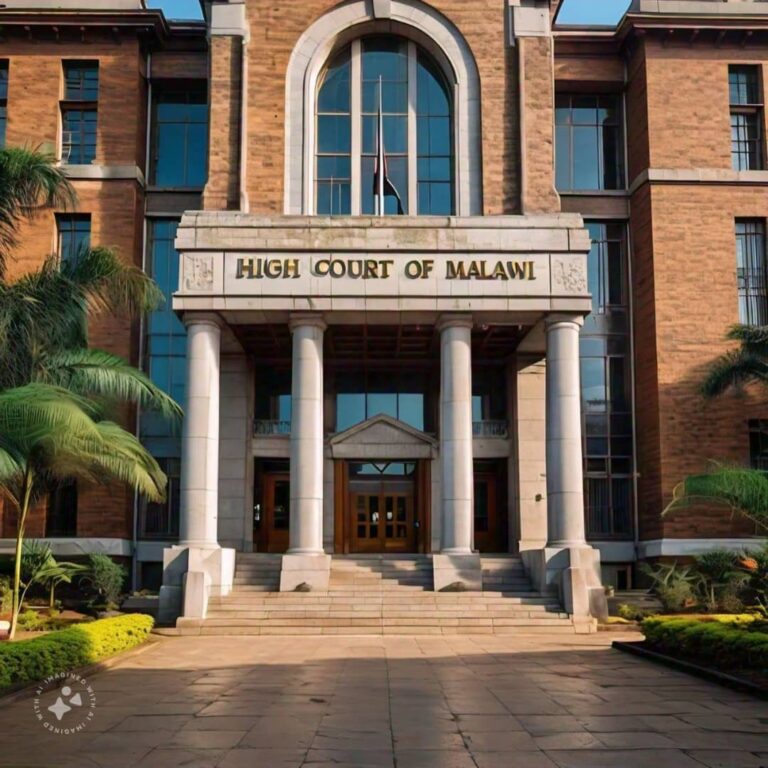
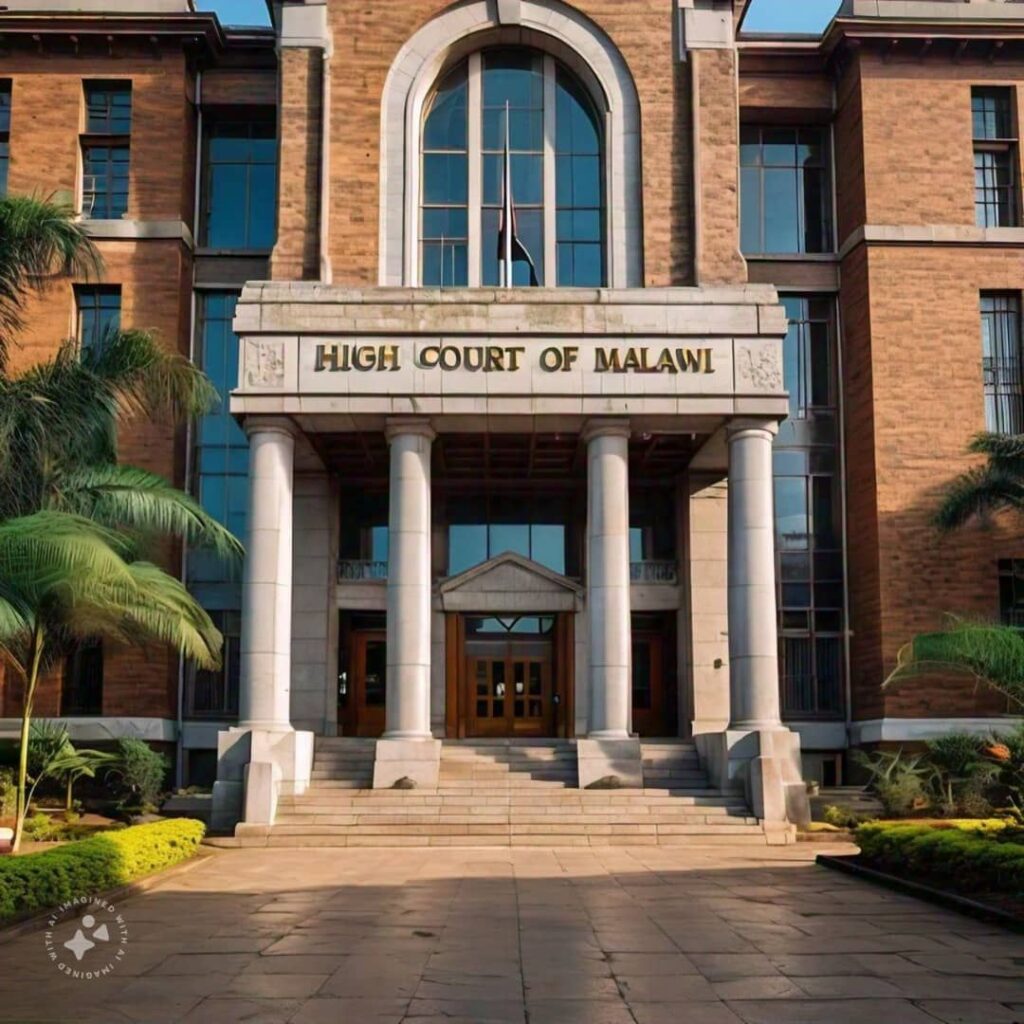
Among these challenges, the judiciary’s integrity has come under scrutiny, particularly regarding allegations of corruption and bribery.
The Malawi Congress Party (MCP), the ruling party, has been accused of exerting undue influence over the judiciary, leading to a crisis of confidence in the legal system.
This essay explores how judicial corruption, fueled by political interference, can exacerbate civil unrest and contribute to the potential for civil war in Malawi.
The Judicial System in Malawi
The judiciary is a cornerstone of any democratic society, tasked with upholding the rule of law, protecting citizens’ rights, and ensuring justice.
In Malawi, the judiciary is meant to be an independent body that operates free from political influence.
However, the reality is often starkly different.
Allegations of corruption and bribery have plagued the Malawian judiciary for years, undermining public trust and confidence in the legal system.
Judges are expected to be impartial arbiters of justice, but when they are perceived as being influenced by political parties, particularly the ruling MCP, their decisions can be seen as biased.
This perception can lead to a breakdown of the rule of law, as citizens may feel that justice is not being served.
When people believe that the judiciary is corrupt, they are more likely to resort to protests and civil disobedience, which can escalate into broader civil unrest.
The Influence of the Malawi Congress Party
The Malawi Congress Party, which has a storied history in Malawian politics, has been accused of using its power to manipulate the judiciary for its own benefit.
Allegations of bribery and corruption have surfaced, suggesting that judges may be swayed by political pressure or financial incentives.
This influence can manifest in various ways, including favorable rulings for party members, the dismissal of cases against political allies, and the persecution of political opponents.
When the ruling party is perceived to have control over the judiciary, it creates a dangerous precedent.
Citizens may feel that their grievances will not be addressed fairly, leading to a sense of disenfranchisement.
This disenfranchisement can fuel civil unrest, as people take to the streets to demand justice and accountability.
The lack of faith in the judiciary can also lead to a culture of impunity, where those in power feel they can act without fear of legal repercussions.
The Cycle of Corruption and Unrest
The relationship between judicial corruption and civil unrest is cyclical.
As corruption within the judiciary becomes more entrenched, public trust erodes, leading to increased protests and civil disobedience.
These protests can be met with heavy-handed responses from the government, further escalating tensions.
In Malawi, this cycle has been evident in recent years, with widespread protests against perceived injustices and corruption.
For instance, the 2019 presidential elections in Malawi were marred by allegations of fraud and irregularities. But the court never found the then ruling party DPP guilty of rigging the votes.
The judiciary was called upon to adjudicate disputes arising from the elections, but many citizens were skeptical of its ability to deliver impartial justice.
When the Constitutional Court ruled in favor of the opposition, nullifying the election results, it was seen as a rare moment of judicial independence.
The ruling was questionable though.
However, the subsequent appeal by the ruling party raised concerns about the potential for political interference in the judicial process.
The ongoing struggle for judicial independence in Malawi highlights the fragility of the rule of law.
When citizens perceive that the judiciary is compromised, they may resort to extrajudicial means to seek justice, leading to a breakdown of social order.
This breakdown can manifest in protests, riots, and, in extreme cases, civil war.
The Impact on Society
The consequences of judicial corruption extend beyond the courtroom.
When citizens lose faith in the legal system, it can lead to a breakdown of social cohesion.
Trust in institutions is essential for a functioning democracy, and when that trust is eroded, it can create a fertile ground for conflict.
In Malawi, the impact of judicial corruption is felt across various sectors of society.
For example, businesses may be reluctant to invest in a country where the rule of law is uncertain.
This lack of investment can stifle economic growth and exacerbate poverty, leading to further discontent among the populace.
Additionally, marginalized groups may feel particularly vulnerable in a corrupt system, leading to increased tensions and potential violence.
Moreover, the media plays a crucial role in shaping public perception of the judiciary.
Investigative journalism can expose corruption and hold judges accountable, but when journalists face intimidation or censorship, the public may remain unaware of the extent of the problem.
This lack of transparency can perpetuate the cycle of corruption and unrest, as citizens are left in the dark about the true state of the judiciary.
The Path Forward
Addressing judicial corruption in Malawi requires a multifaceted approach.
First and foremost, there must be a commitment to judicial independence.
This can be achieved through reforms that insulate the judiciary from political influence, such as establishing independent oversight bodies and ensuring that judges are appointed based on merit rather than political affiliation.
Additionally, civil society organizations and the media must play an active role in advocating for judicial reform and holding judges accountable.
Public awareness campaigns can help educate citizens about their rights and the importance of an independent judiciary.
By empowering citizens to demand accountability, it is possible to create a culture of transparency and integrity within the legal system.
International support can also play a crucial role in promoting judicial reform in Malawi.
Donor countries and organizations can provide technical assistance and funding for initiatives aimed at strengthening the judiciary.
However, it is essential that this support is provided in a manner that respects Malawi’s sovereignty and prioritizes the needs and voices of the Malawian people.
Conclusion
Judicial corruption is a significant threat to democracy and social stability in Malawi.
The influence of the Malawi Congress Party over the judiciary has created a crisis of confidence that can fuel civil unrest and potentially lead to civil war.
To break this cycle, it is essential to prioritize judicial independence, promote transparency, and empower citizens to demand accountability.
Only through a concerted effort can Malawi hope to restore faith in its legal system and build a more just and equitable society. The path forward may be challenging, but the resilience of the Malawian people offers hope for a brighter future.
The Malawi Consulate in Tete, Mozambique, has issued a warning to all Malawian road users to steer clear of the Mozambique route on Thursday and Friday.
This caution comes amidst expected demonstrations in the former Portuguese colony, which may cause inconvenience to travelers.
Consul General Happy Jonathan Sakah revealed in an interview on Wednesday that his office received official communication regarding the impending lockdown and demonstrations. “There will be a lockdown, with demonstrations taking place over the next two days, starting from tomorrow up to Friday, and all schools will be closed,” Sakah stated.
In light of this, Sakah advised all transporters, including bus drivers, to exercise caution when using the Malawi-Mozambique route via Zimbabwe.
This precautionary measure aims to ensure the safety of travelers and prevent any potential disruptions.
Mozambique has experienced pockets of instability following the presidential elections held earlier this month.
As a result, Sakah appealed to Malawians residing in Mozambique to remain indoors for the next two days to avoid any inconvenience caused by the demonstrations.
The Malawi Consulate in Tete has been working to strengthen bilateral relations between Malawi and Mozambique.
Consul General Sakah has been instrumental in promoting trade, investment, and tourism between the two nations.
In recent months, the Consulate has facilitated several initiatives, including the promotion of Saint Andrews International High School’s academic services in Mozambique.
This effort aims to attract Mozambican students to pursue quality education in Malawi.
Additionally, the Consulate has collaborated with the Mozambique Confederation of Economic Associations (CTA) to organize business forums, fostering economic cooperation and partnerships between Malawian and Mozambican businesses.
In light of the demonstrations, the Malawi Consulate advises all travelers to avoid traveling to Mozambique via the Malawi-Mozambique route on Thursday and Friday,exercise caution when using alternative routes, stay informed about local developments and follow official guidance and remain indoors and avoid any areas of demonstration.
The Consulate will continue to monitor the situation and provide updates as necessary.
Travelers are encouraged to register with the Consulate to receive important safety and security updates.
By taking these precautions, travelers can minimize potential disruptions and ensure a safe journey.
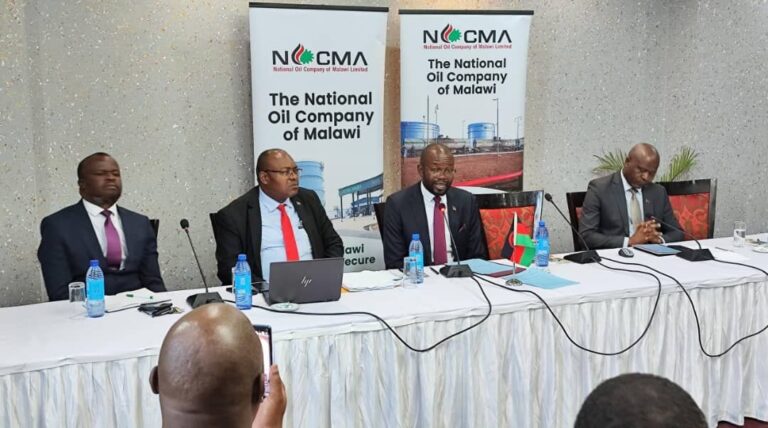
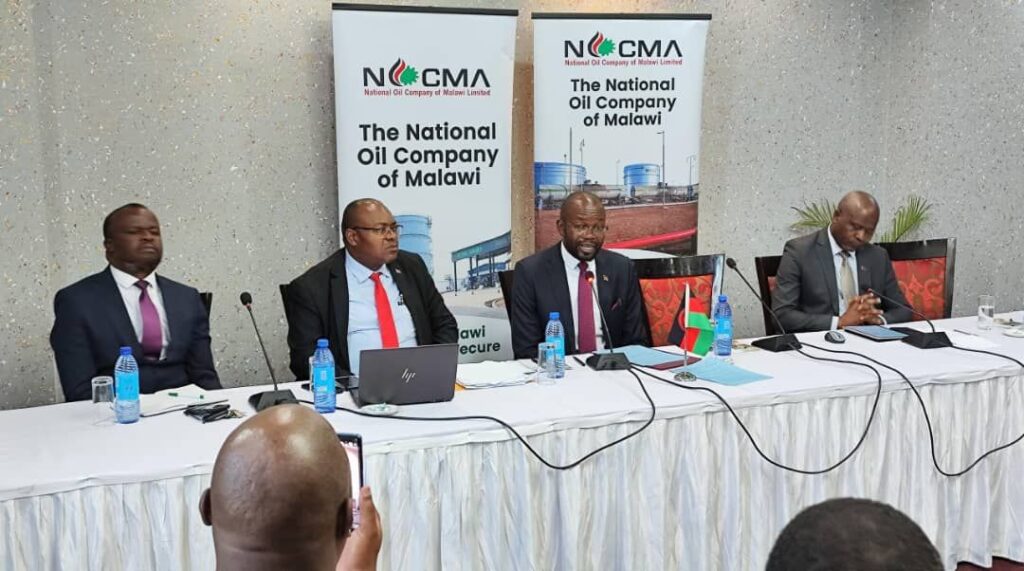
Malawi Government says has found a long term measure which is aimed at addressing pesistent fuel shortage the country has been experiencing since 10 years now.
Minister of Information and Digitalization, Moses Kunkuyu said this during a media briefing held in Lilongwe.
Kunkuyu revealed that discussions are underway to obtain a $100 million facility from the Arab Bank for Economic Development in Africa.
He said this money will be enough to cover the costs each month. Kunkuyu said shortage of forex has been main cause of fuel shortage in the country.
Kunkuyu, said Government recognized the difficulties and dissatisfaction that Malawians are experiencing due to the current fuel shortage.
He elaborated that fuel suppliers in Tanzania and Mozambique had suspended fuel loading for a period of 10 days due to unpaid invoices.
He indicated that a monthly sum of $51 million is necessary for fuel imports, yet the government has only managed to allocate $37 million.
He mentioned that $21.5 million has already been secured, which will enable the importation of 29.9 million litres of fuel.
Additionally, he emphasized the government’s dedication to ensuring that 20 percent of the fuel is transported via rail to improve logistics.