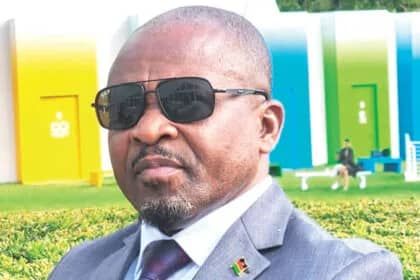
Dr. Michael Usi has boldly declared to UTM party leaders that while they may take control of the party’s name and structure, they cannot take away the people who continue to support him.
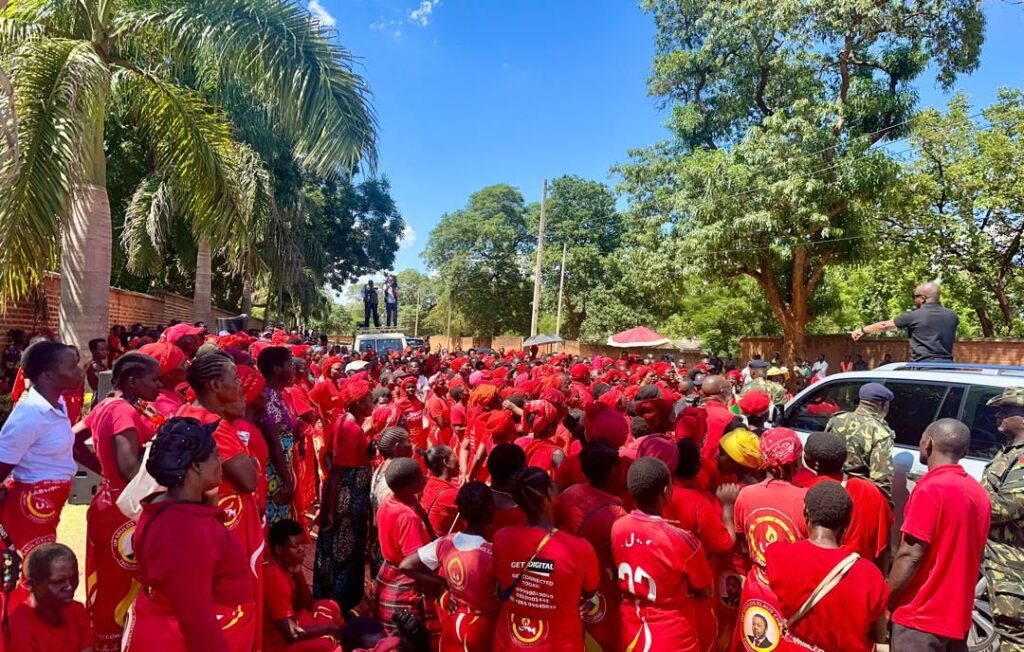
Dr. Usi made the statement to a group of supporters who gathered at his Area 12 residence in Lilongwe during his journey to Blantyre for official government duties.
The crowd, comprised of women, youth, and men dressed in UTM-branded attire, showed unwavering loyalty to Dr. Usi, even after the party leadership reportedly distanced itself from him.
Usi
“You can take the name of the party, but you cannot take the hearts of the people who believe in my vision and leadership,” Usi is reported to have told the enthusiastic crowd.
Despite facing internal challenges within UTM, Dr. Usi remains a popular figure, with many supporters expressing their admiration for his commitment to serving the people. The event underscores the growing division within UTM, as supporters appear to align themselves with individual leaders rather than the party as a whole.
Dr. Usi’s continued public backing raises questions about the future of UTM and the potential political ramifications of his statement.
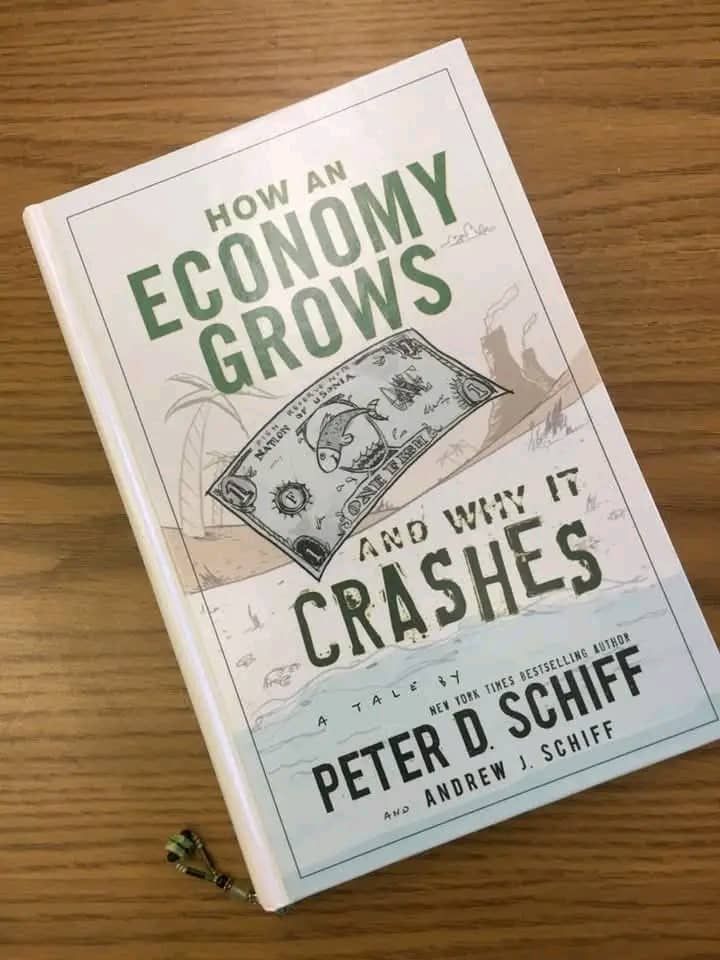
Peter D. Schiff’s How an Economy Grows and Why It Crashes takes a unique approach to explain economic principles through a storytelling format. Using an allegory of islanders, fishing, and trade, Schiff simplifies complex concepts to help readers understand how economies work and the consequences of poor policy decisions. Here are seven critical lessons from the book:
1) The power of specialization and trade
Schiff highlights how specialization and trade drive economic growth. By focusing on tasks where they hold a comparative advantage, individuals and regions can produce more efficiently. This surplus of goods and services, when traded, expands economic prosperity and fosters mutual benefit.
2)The importance of saving and investment
Economic growth is rooted in capital accumulation and investment. Savings fuel the resources needed for investments in new technologies, infrastructure, and businesses, which enhance productivity and increase the economy’s capacity to produce goods and services.
3) Innovation as a catalyst for growth*
Technological advancements and innovation are essential for economic progress. The book emphasizes how new ideas and improved processes boost efficiency, create new products, and open markets, all of which are crucial for sustained growth.
4) Entrepreneurship and risk-taking
Entrepreneurs are the backbone of economic expansion. Their willingness to take risks and bring fresh ideas to market creates jobs, generates wealth, and drives innovation. Without entrepreneurship, economies would stagnate.
5) Investing in human capital
A skilled and educated workforce is crucial for economic success. Schiff underscores the importance of investing in the health, knowledge, and skills of workers to ensure they can adapt to changes, innovate, and contribute to economic productivity.
6) The role of effective government policies
Government policies and institutions play a significant role in shaping economic outcomes. By ensuring a stable economic environment, protecting property rights, promoting competition, and investing in public goods like infrastructure and education, governments can foster growth and development.
7) Understanding economic cycles and crashes
Economic cycles, characterized by growth and decline, are a natural part of economic activity. Schiff delves into the causes of economic crashes, often tied to asset bubbles, excessive debt, and imbalances in supply and demand, emphasizing the importance of maintaining balance to avoid severe downturns.
Schiff’s book simplifies the mechanics of economies, emphasizing productivity, saving, and free-market principles. It offers valuable insights for readers looking to better understand the dynamics of economic growth and the pitfalls of mismanagement.
To get a copy of the book, visit Amazon. You can also sign up for Audible to enjoy the audiobook version for free using the same link. Start your journey to economic literacy today!
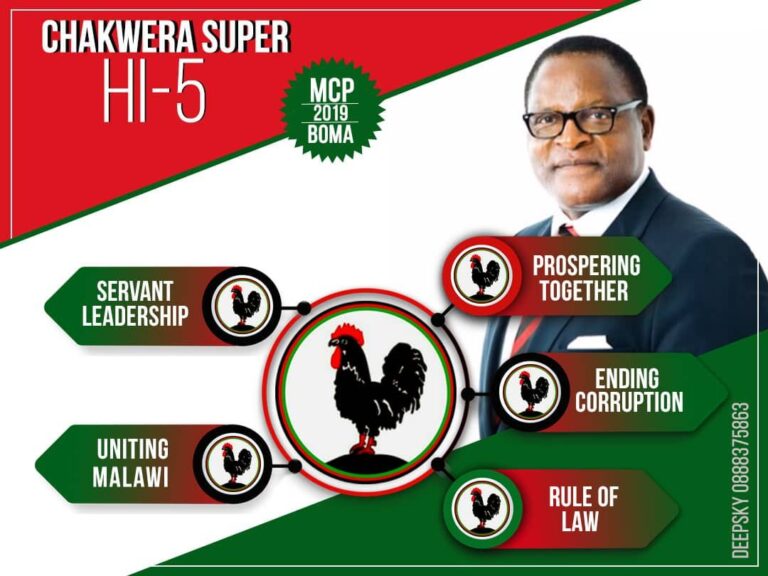
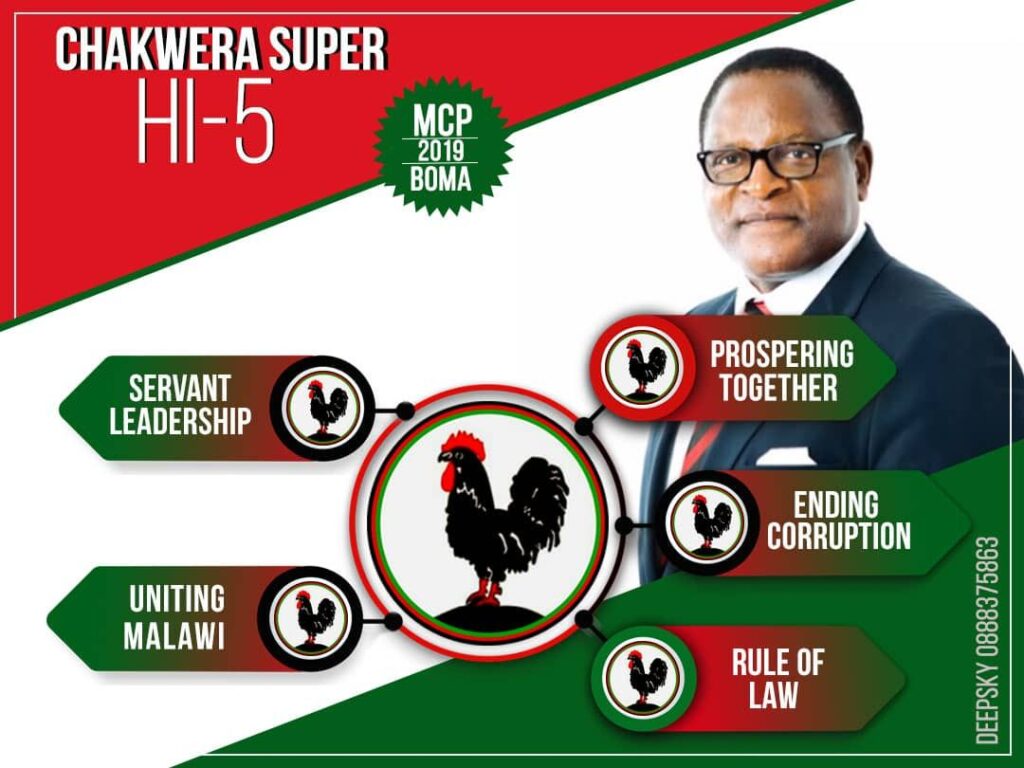
When President Lazarus Chakwera assumed office in 2020, he introduced his “Hi-5” agenda, outlining five pillars meant to guide his administration toward a better Malawi. Four years into his presidency, it’s important to critically assess how the Chakwera administration has fared in achieving the goals of servant leadership, national unity, prosperity, ending corruption, and upholding the rule of law. While there have been some successes, the challenges remain numerous and in some cases, the promises have not materialized as expected.
Servant leadership: A struggle amidst leadership paralysis
One of the core principles Chakwera campaigned on was “servant leadership,” a commitment to put the needs of the people above personal or political interests. However, over the course of his tenure, this ideal has often been overshadowed by indecisiveness, particularly in moments of national crisis. A glaring example of this occurred during the Chikangawa plane crash in 2022, where the President’s delay in taking immediate action and offering clear guidance left the nation frustrated and confused. His failure to make swift decisions during critical moments has diminished public confidence in his leadership.
Furthermore, his administration faced significant challenges during cabinet reshuffles. While reshuffles are commonplace, the delayed and indecisive nature of these changes, especially when crucial leadership roles were left vacant or under the purview of individuals with questionable qualifications, further diluted Chakwera’s image as a decisive leader. The cabinet reshuffle, at a time when effective governance was urgently needed, became a symbol of political maneuvering rather than a response to the country’s needs.
Uniting Malawi: A struggle amidst political division
Chakwera’s call to “unite Malawi” has proven to be a difficult challenge, particularly as political violence has worsened under his administration. The unity he envisioned has been undermined by a steady rise in political thuggery, especially among armed Malawi Congress Party (MCP) supporters. The most notable incidents were the brutal attacks on peaceful protestors and the storming of Parliament by MCP thugs in 2022. While the August House was in session, these violent acts of aggression occurred, all while chanting “boma ndi lomweli” (“the government is one”), a slogan that reflected the party’s increasingly authoritarian and undemocratic posture.
Despite numerous calls for reconciliation and dialogue, Chakwera’s government struggled to contain political violence and address the growing concerns over the use of party-affiliated militias to suppress opposition and dissent. Instead of bringing the nation together, his administration’s tolerance of this violence sent a clear message that political power could be maintained through intimidation, not through the rule of law or dialogue.
Prospering together: A promise unmet amid economic decline
“Prospering Together” was another pillar of Chakwera’s campaign, a promise that his administration would foster economic growth and shared prosperity. Unfortunately, the opposite has occurred. The Malawi kwacha’s devaluation and the skyrocketing cost of living have placed a significant strain on businesses and households alike. Both small and large businesses have struggled to stay afloat as inflation surged, and the promised economic prosperity has remained elusive for most Malawians.
Instead of a thriving economy, Malawi has seen more people fall into poverty, with unemployment continuing to rise. The lack of concrete policies to address inflation, the high cost of living, and the weak performance of essential sectors such as agriculture and manufacturing has exacerbated the situation. While international aid has flowed into the country, it has often failed to reach those in most need due to systemic inefficiencies and poor governance.
Ending corruption: A hollow promise in the face of scandal
One of Chakwera’s most high-profile promises was to combat corruption at all levels of government. Yet, despite the administration’s stated commitment to rooting out graft, corruption continues to thrive within the highest echelons of government. Allegations of corruption at State House, in the police service, the judiciary, and Parliament, paint a damning picture of a government that has struggled to bring the perpetrators of corrupt activities to justice.
Rather than ending corruption, Chakwera’s administration has seen an increase in the very practices he vowed to eliminate. From the misappropriation of public funds to the dubious appointments and the failure to act against those involved in corruption scandals, the lack of accountability has been glaring. In fact, corruption investigations are often delayed, dismissed, or outright ignored, further entrenching the culture of impunity within the government.
Rule of law: A casualty in the face of political violence
The final pillar of Chakwera’s Hi-5 agenda, “Rule of Law,” is perhaps the most critical, yet also the most compromised under his leadership. Political violence has surged under his watch, with incidents of armed MCP supporters openly wielding pangas (machetes) in broad daylight. These acts of intimidation have been funded and perpetrated by the ruling party, creating a climate of fear that undermines the rule of law and the ability of citizens to express dissent freely.
Instead of upholding the rule of law, Chakwera’s government has allowed these violent acts to flourish. The judiciary, which should have acted as a neutral body to ensure justice, has also been undermined by political influence, reducing its independence. The growing fear of political retaliation, combined with the lack of legal recourse for victims of violence, has eroded public trust in the country’s legal and justice systems.
Conclusion: A Hi-5 that has fallen short
After four years in office, Chakwera’s Hi-5 agenda has largely failed to live up to the expectations set during his campaign. His promises of servant leadership, national unity, economic prosperity, corruption eradication, and the rule of law have been marred by indecision, political violence, economic decline, and corruption scandals. The Chakwera administration’s inability to deliver on these core promises has led to widespread disillusionment among the Malawian public.
As Malawi prepares for the 2025 elections, the legacy of the Chakwera Hi-5 will be one of missed opportunities and unfulfilled promises. Whether or not the country can turn the tide depends on the leadership that will take the reins in the future and the ability to address the deep-rooted issues that have hindered Malawi’s development under the current regime. The Chakwera administration’s vision for a united, prosperous, and just Malawi remains largely unfulfilled, and the question remains whether the next leader can truly transform these promises into reality.
Malawi’s political landscape has been shaped by a series of key figures, each of whom left their mark on the nation’s history. From the rule of Dr. Hastings Kamuzu Banda to the tenure of President Lazarus Chakwera, the country has seen numerous political shifts, challenges, and victories, some of which have altered the course of its development.
Dr. Hastings Kamuzu Banda was Malawi’s first president and a figure who played a critical role in the country’s independence. Known for his autocratic style of governance, Kamuzu was both revered and feared. His reign laid the foundation for Malawi’s political system, but his rule was also marked by suppression of dissent, lack of political freedoms, and limited public participation. Kamuzu ruled with an iron fist, leaving a complex legacy of both development and repression.
In 1994, after Kamuzu Banda’s fall, Bakili Muluzi took over as president, ushering in a new era for Malawi. Muluzi’s tenure marked a departure from authoritarianism to a multi-party democracy. Under his leadership, the country made strides in liberalizing the economy and fostering democratic institutions. However, Muluzi’s presidency also saw the rise of political corruption, which would plague the country for many years.
Bingu wa Mutharika succeeded Muluzi, and his presidency was initially marked by significant economic reforms. Mutharika focused on developing Malawi’s infrastructure and boosting agriculture, and he was initially hailed for his economic achievements. However, as time passed, his administration became increasingly authoritarian, and Mutharika’s relationship with the international community soured. In the later years of his rule, economic mismanagement, political tension, and internal dissent overshadowed his earlier successes, culminating in his sudden death in 2012.
After Bingu’s death, his brother Peter Mutharika took over the presidency in 2014. Like his brother, Peter’s rule has been characterized by political turmoil, allegations of corruption, and increasing authoritarianism. During his time in power, Malawi continued to grapple with economic challenges, including unemployment, inflation, and food insecurity. Mutharika faced significant opposition, but his government managed to maintain control of the country’s political landscape.
In 2020, Lazarus Chakwera, leader of the Malawi Congress Party (MCP), took office as the country’s president following a contentious election that saw his predecessor, Mutharika, accused of election fraud. Chakwera’s arrival was seen by many as the beginning of a new political era, offering hope for reform and a break from the political struggles of the past. However, challenges remain.
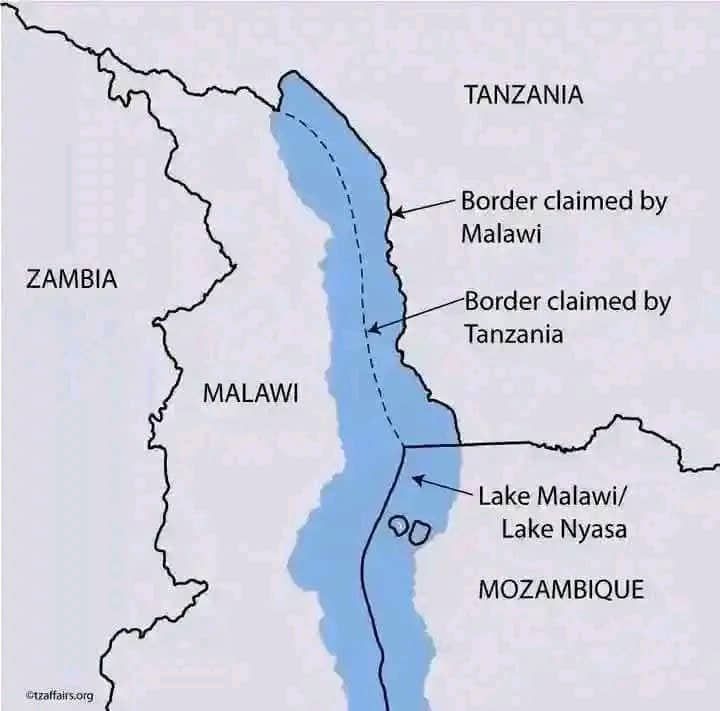
One of the most pressing issues under Chakwera’s administration has been the ongoing dispute with neighboring Tanzania over ownership of parts of Lake Malawi. Tanzania’s claim over the lake has caused diplomatic tensions, with Chakwera under pressure to safeguard Malawi’s territorial integrity. Meanwhile, Malawi’s police forces have been busy cracking down on opposition figures, many of whom have been arrested or silenced. These actions have raised concerns about the state of democracy and political freedoms under Chakwera’s government.
In recent months, the Malawi Police Service has been heavily involved in clamping down on anti-government protests and opposition movements. Many activists and political opponents of Chakwera have faced arrest or harassment, with accusations of political oppression mounting. The police’s involvement in suppressing dissent has drawn comparisons to the repressive tactics of previous administrations, reminding citizens of the dark days under Kamuzu Banda’s regime.
On the other hand, the ongoing tensions with Tanzania over Lake Malawi have resulted in a diplomatic stand-off. While Tanzania has taken one side of the dispute, the Malawian government is determined to assert its sovereignty. This struggle for control over the lake’s resources is not just a political issue but also a matter of national pride, with Chakwera under increasing pressure to defend Malawi’s territorial claims.
Malawi’s political journey from Kamuzu Banda to Lazarus Chakwera reflects the country’s struggles with governance, democratic transition, and national unity. Despite significant achievements in political freedom and economic reform, Malawi still faces deep-rooted challenges, from political instability and corruption to territorial disputes with its neighbors. As Chakwera navigates these issues, it remains to be seen whether he can deliver on his promises of reform or whether Malawi will continue to face the same political and economic struggles that have plagued the country for decades.
The story of Malawi’s politics is still being written, and the country stands at a crossroads, with its future uncertain. The hope for change remains, but it will take concerted effort, political will, and genuine reform to steer the nation towards stability and prosperity.
Rick Dzida: Burnett Munthali, thank you for joining me for this exclusive interview. It’s been a highly anticipated conversation due to the interest from your followers. I’m excited to delve deeper into your views and experiences. Feel free to share your insights on any questions I pose.
Burnett Munthali: Thank you, Rick, for having me. I’m truly honored by the interest shown by my followers and I’m happy to provide my perspective on the topics you’ve raised. Let’s dive in!
1. Can you introduce yourself to our audience?
Burnett Munthali: I’m a Malawian political analyst, writer, and educator, contributing to various platforms such as Maravi Post, Malawi24, and 247 Malawi. I focus on a wide array of topics, including politics, governance, legal affairs, and culture. Beyond my writing, I’m passionate about education and leadership development, having worked on class leadership appointments. I also have a strong interest in Malawian art, sports, and autobiographical writing, which reflects my diverse set of passions.
2. Can you elaborate on your educational journey?
Burnett Munthali: My educational background spans across multiple fields. I began my education at Jumble Primary School and Nyimba Secondary School in Zambia. Over time, I developed an interest in law, politics, and journalism, which led me to study constitutional and criminal law, political education, and journalism. Eventually, I moved to Malawi where I graduated with distinction in education. This blend of disciplines supports my broader goal of contributing to intellectual growth and community development.
3. You’re known for producing articles quickly. What helps you maintain such efficiency?
Burnett Munthali: A significant factor in my speed is my Lenovo tablet, which has a 64GB capacity and advanced features. I rely on technology such as swipe typing and voice recognition to make the process quicker and more efficient. This allows me to maintain high standards of writing, even under tight deadlines.
Munthali
4. What is your stance on political affiliations?
Burnett Munthali: I take a neutral position and remain unaffiliated with any political party. My role as a political analyst is to provide objective, well-rounded analyses on political events in Malawi and abroad. This impartiality allows me to critically evaluate developments from all sides of the political spectrum.
5. How do you assess the current political situation in Malawi?
Burnett Munthali: The political landscape in Malawi is at a crossroads. As we approach the 2025 elections, there are significant challenges for the Tonse Alliance, which brought President Lazarus Chakwera to power. Unfulfilled campaign promises, economic difficulties, and governance concerns have led to growing public discontent. The opposition, particularly the DPP, is attempting to capitalize on these issues, but internal divisions among parties like the DPP and UTM might undermine their effectiveness. Despite these challenges, the judiciary remains a pillar of hope, maintaining independence and offering prospects for fair elections. The public’s demand for accountability and development is growing louder.
6. What are your thoughts on the Commission of Inquiry’s findings regarding the late Vice President Saulos Chilima’s death?
Burnett Munthali: The inquiry into Saulos Chilima’s death has raised more questions than answers. There is a lack of clarity, which has led to widespread speculation about potential foul play or negligence. This case highlights the importance of transparency and accountability in governance. The ambiguity surrounding Chilima’s death also reflects broader political and societal challenges Malawi continues to face.
7. How would you evaluate the role of the Malawi National Assembly?
Burnett Munthali: The Malawi National Assembly plays an important role, particularly in passing legislation and holding the executive accountable. However, partisanship, resource mismanagement, and disconnects with the electorate often undermine its ability to fully represent the public. Though it has the potential to be a strong voice for the people, the Assembly’s performance is hindered by systemic issues, leaving many citizens feeling alienated.
8. Is the Anti-Corruption Bureau (ACB) effectively tackling corruption in Malawi?
Burnett Munthali: The ACB has made progress in investigating corruption cases, particularly high-profile ones. However, its effectiveness is limited by political interference, resource constraints, and slow prosecutions. Many Malawians are frustrated by the persistence of corruption, and there’s a need to strengthen the ACB’s independence and capacity for greater impact.
9. How would you assess the performance of the Malawi Judicial Service?
Burnett Munthali: The Malawi Judicial Service has made strides in addressing case backlogs and improving the justice system. However, challenges remain, such as delays, resource shortages, and allegations of corruption, including bribery and political influence. These issues have eroded public trust in the judiciary’s ability to deliver fair and impartial justice. While progress has been made, there is still much to be done.
10. Who do you think will win the 2025 presidential election?
Burnett Munthali: Based on the current dynamics, I believe Professor Arthur Peter Mutharika and the DPP could have an edge in the 2025 elections. The Tonse Alliance, led by President Chakwera, has struggled to deliver on key promises and address rising economic concerns. This, combined with the government’s mismanagement of key issues, has led to growing public frustration. In contrast, Mutharika and the DPP could present themselves as a stable alternative, capitalizing on the dissatisfaction with the current administration.
11. Do you have any aspirations of running for political office in 2025?
Burnett Munthali: While I’m deeply involved in political analysis, I do not have aspirations of running for office. I believe my role as an analyst allows me to shape public discourse in meaningful ways. I’m also exploring business ventures, which I find exciting. I hope to make a difference in that space as well.
Rick Dzida: Burnett, thank you for your time and insights today. It’s been a pleasure having this conversation with you.
Burnett Munthali: Thank you, Rick! It’s been a pleasure sharing my thoughts. I hope the discussion helps spark further engagement and reflection among the readers. Let’s continue working together toward a better future for Malawi.