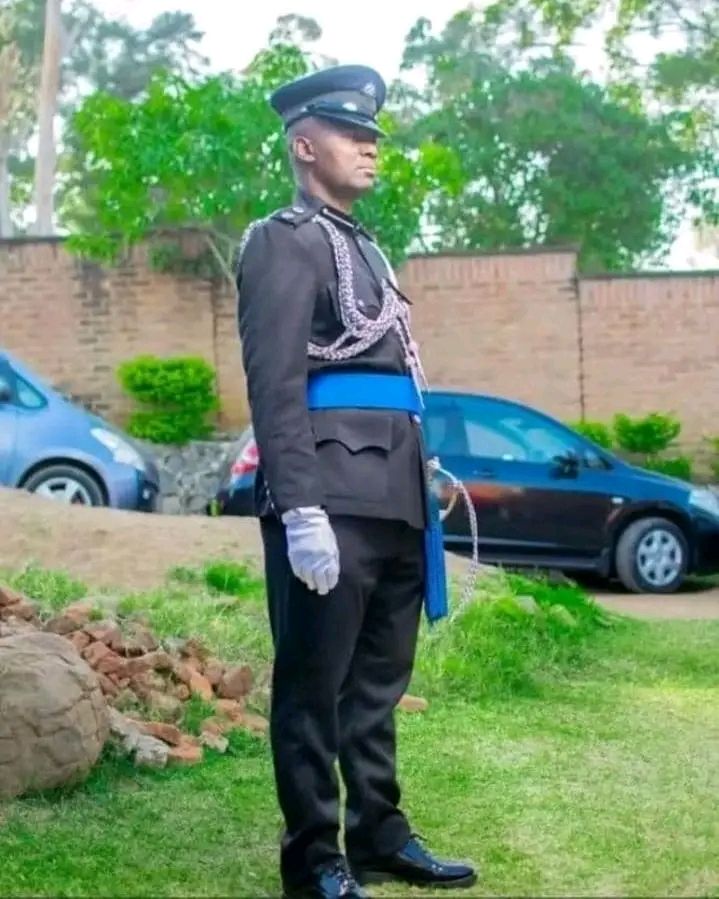
A police officer, Benjamin Nyirenda, has been brutally killed by irate villagers in Mangochi while trying to intervene in a conflict situation between villagers and estate owners over land issues.
The incident occurred at Chipunga Estate in Mangochi, where Nyirenda and other officers were called to mediate a disagreement between the parties.
According to National Police Spokesperson Peter Kalaya, the police were alerted by estate owners that some villagers were uprooting trees due to a long-standing land dispute.
However, as the police were discharging their duties, some irate villagers regrouped and hacked Nyirenda several times using a panga knife.
The late Benjamin Nyirenda
Nyirenda was taken to Mulibwanji Hospital, where he was pronounced dead. The police have launched an investigation into the incident to apprehend those responsible for the offense.
This tragic event highlights the dangers faced by law enforcement officers in Malawi and the need for effective measures to address land disputes and promote peaceful resolution.
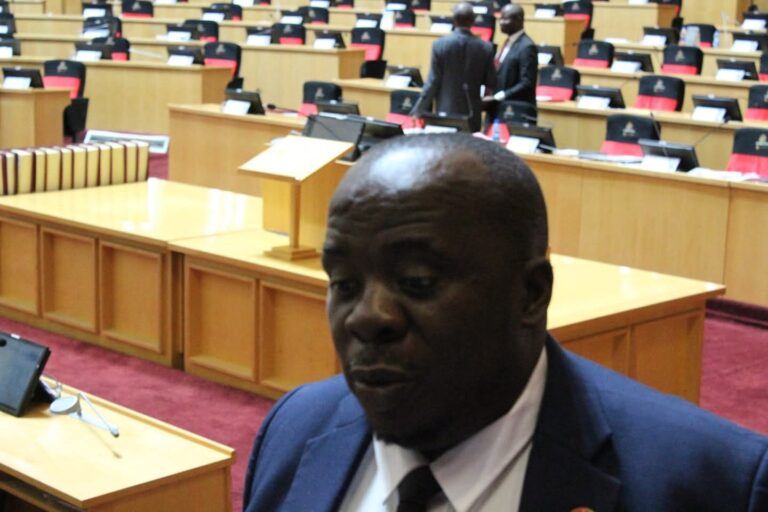
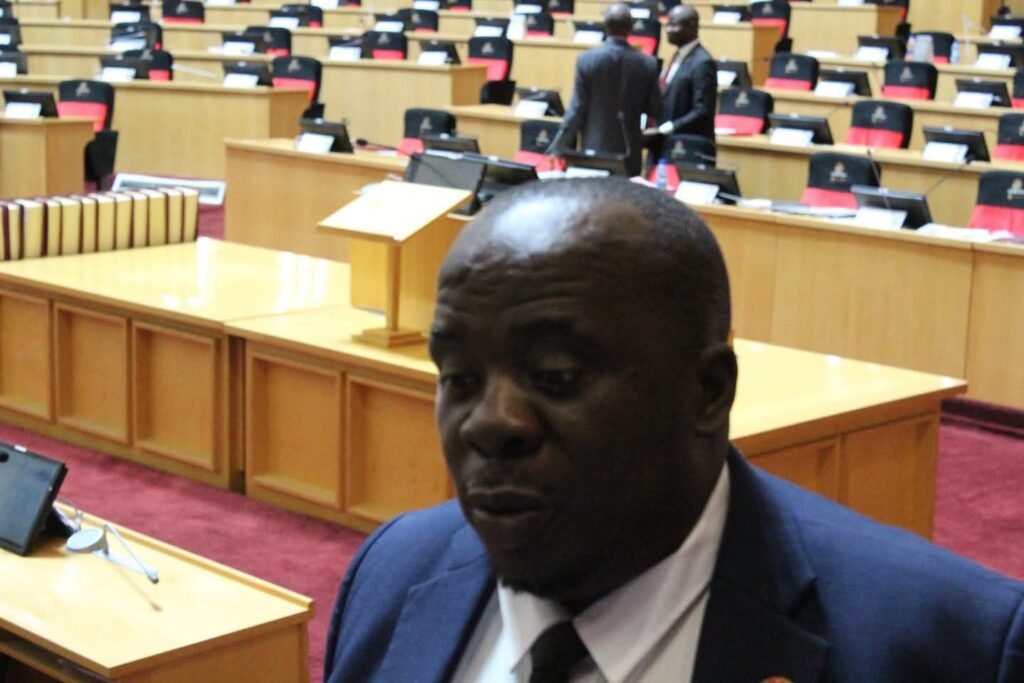
Leader of Parliament, Hon. Richard Chimwendo Banda, has stated that the Judicial Service Commission Bill failed to pass due to insufficient registrars in the house.
Chimwendo said this at pariament in Lilongwe on Thursday.
“In this case at least 128 of the members must be available in the house but today we were about 121 members meaning that over 62 members were absent which is a very pathetic situation, we don’t need to reach that level. We need members of parliament to be available in the house if those members were present in the house it means we would have been able to process this piece of legislation,” he said.
Chimwendo
He added that he has since asked members of parliament to be available for the following parliamentary sitting for them to carry out the judicial service commission legislation.
Chimwendo explained that processing a piece of legislation does not automatically mean the outcome will be a “yes.” He said the purpose is to discuss the matter, gather votes, and understand the sentiments of Malawians, as Members of Parliament represent the people.
Minister of Justice, Titus Mvalo said the bill was very essential and important since it does reform the judiciary.
” As you know, people often raise concerns about the judiciary and various other issues. These Bills are intended to address some of those concerns, which is why we came here to present them,” he said.
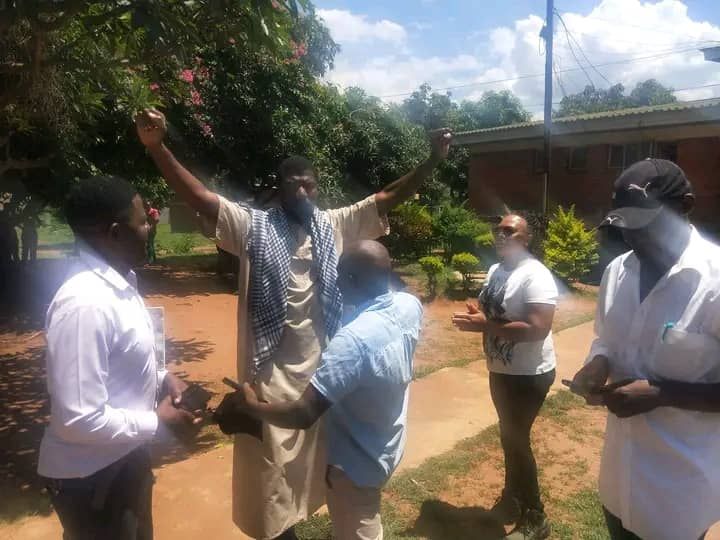
In a significant development ahead of the 2025 general elections, Democratic Progressive Party (DPP) president Peter Mutharika on Wednesday held a private meeting with Alliance for Democracy (AFORD) leader Enoch Chihana. The closed-door meeting, reportedly held at Mutharika’s PAGE House residence in Mangochi, has sparked speculation about possible political alliances and collaborations.
While details of the discussion remain undisclosed, sources close to the two leaders suggest that the meeting focused on exploring areas of mutual interest ahead of the elections. Both parties are believed to be strategizing on how to strengthen their positions as Malawi’s political landscape continues to evolve.
China meeting Mutharika
Political analysts speculate that the meeting could be part of broader efforts to form alliances or coalitions to challenge the ruling Tonse Alliance. With the general elections drawing closer, the need for opposition unity has become a pressing topic for many parties.
Peter Mutharika, who remains a key figure in Malawi’s political arena, has been working to consolidate support for the DPP. The meeting with Enoch Chihana, a leader with strong influence in the Northern Region, could signal efforts to widen the DPP’s appeal in areas traditionally dominated by other parties.
On the other hand, AFORD, which has been striving to regain its former glory, may view a collaboration with the DPP as an opportunity to strengthen its foothold in Malawian politics.
The meeting has drawn mixed reactions from political commentators and the public. Some view it as a positive step toward creating a strong opposition capable of addressing the challenges facing the country. Others, however, caution against alliances that may lack ideological alignment, arguing that such collaborations may be short-lived and driven by convenience rather than shared values.
With the political climate heating up, meetings like this underscore the importance of strategic alliances in shaping the future of Malawi. Both the DPP and AFORD have a shared interest in challenging the Tonse Alliance, which has faced criticism over its handling of the economy, governance, and service delivery.
If Mutharika and Chihana can find common ground, their collaboration could significantly alter the dynamics of the 2025 elections. However, much will depend on how both parties navigate the complexities of coalition-building and address the expectations of their supporters.
The closed-door meeting between Peter Mutharika and Enoch Chihana marks a potentially transformative moment in Malawi’s political scene. While the specifics of their discussion remain under wraps, the implications of this meeting could resonate far beyond their respective parties.
As the nation looks ahead to the next elections, the alliances and strategies formed now will play a critical role in determining the direction of Malawi’s political future. For now, all eyes remain on Mutharika, Chihana, and their next moves.
In a highly anticipated judgment, the High Court in Lilongwe has acquitted 10 police officers and convicted 11 others in connection with the murder of Buleya Lule, a suspect who died in police custody in 2019.
The acquitted police officers include former police commissioner Evaristar Mvula, Steven Mashonga, Warren Joshua Mashonga, and Chifundo Chiwambo. The court found them not guilty of the offense, citing lack of evidence linking them to the crime.
On the other hand, 11 police officers were found guilty and convicted of the offense. They include Paul Chipole, Ikram Malata, Richard Kalawire, Innocent Lwanda, Maxwell Mbuzi, and Abel Maseya. The court is expected to deliver its sentence on January 8.
The case has been closely watched by the public, with many calling for justice for the family of Buleya Lule. The acquittal and conviction of the police officers bring some closure to the case, but many questions still remain unanswered.
The incident has also raised concerns about police brutality and the need for reforms within the police service. The Malawi government has been under pressure to address these concerns and ensure that those responsible for human rights abuses are held accountable.
“Biochar initiative aims to improve soil health, support smallholder farmers, and generate permanent carbon dioxide removals as part of climate action efforts. It is one of many sustainable practices under Solidaridad’s Pathways to Prosperity programme, designed to enhance soil health, climate resilience, and productivity for smallholder farmers.”
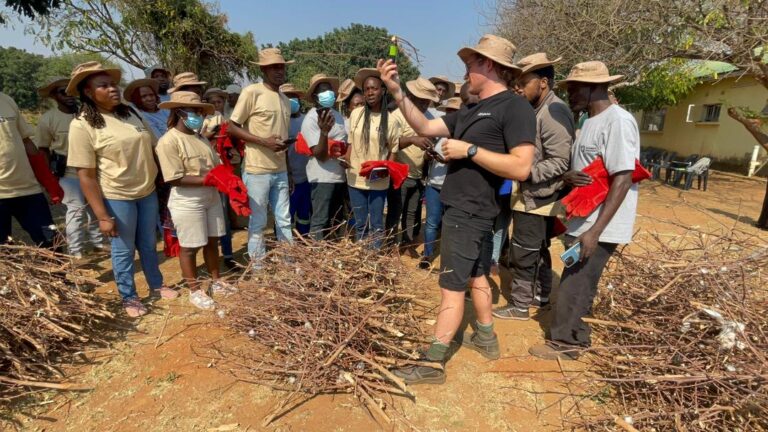
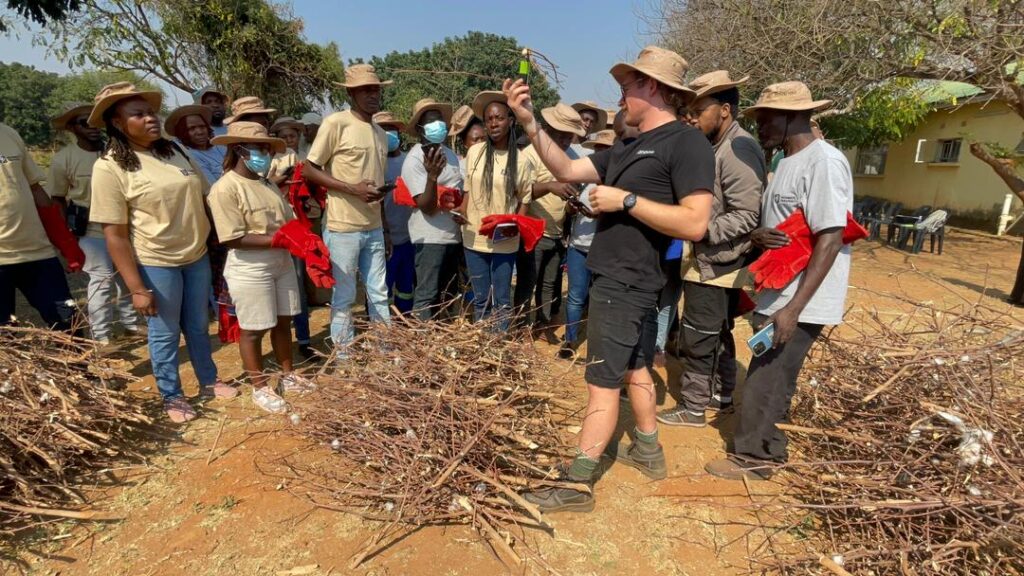
Solidaridad, Kvuno, Planboo, and the Cotton Development Trust are excited to announce a strategic partnership to drive sustainable agriculture in Zambia using biochar technology. This collaboration seeks to transform agricultural practices by equipping smallholder farmers with skills for biochar production, which will improve soil fertility, contribute to improving crop yields, and climate resilience. The urgency to act on climate change and support local communities has never been more critical.
“Turning Agricultural Waste into Opportunity”
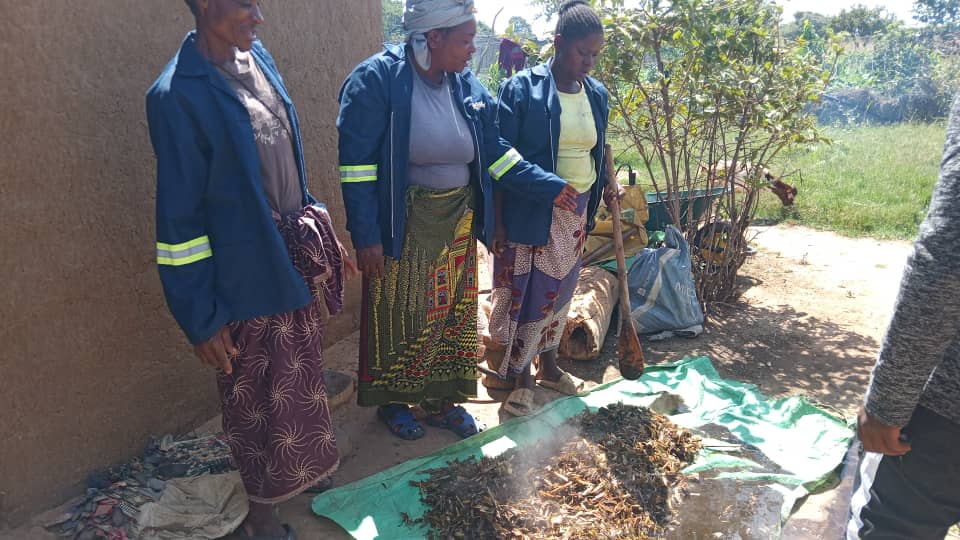
The biochar project addresses pressing challenges in agriculture and the environment by converting agricultural waste into biochar, a valuable soil amendment that captures carbon, reduces greenhouse gas emissions, and enhances soil quality such as improving water holding capacity, nutrient retention and microbial activity. This initiative not only promotes sustainable farming but also provides smallholder farmers with the opportunity to benefit from climate change mitigation incentives through carbon credits.
“Biochar represents an important step toward sustainable agriculture in Zambia, and we’re thrilled to partner with Planboo to empower farmers with this sustainable practice,” said Shungu Kanyemba, Managing Director of Solidaridad Southern Africa. “Our shared goal is to create a lasting impact on agriculture and climate change, but time is of the essence. We must act now to implement sustainable solutions that will benefit communities and the environment alike.”
This biochar initiative is part of the Solidaridad Pathways to Prosperity (P2P) programme under its Resilient Production Systems pathway, which integrates a range of sustainable agricultural practices to support smallholder farmers. Alongside biochar, the programme promotes intercropping, crop diversification, mulching, conservation farming, and water-use efficiency technologies.
These practices collectively aim to improve soil health, enhance climate resilience, and boost productivity. While biochar is a transformative tool, it is one of many practices contributing to the holistic approach Solidaridad employs to achieve sustainable agriculture and resilient livelihoods for farmers across southern Africa.
Bridging Agricultural Innovation and Community Impact Kvuno, a social enterprise focused on empowering smallholder farmers, plays a crucial role in this partnership by connecting local farmers with sustainable agricultural technologies and market opportunities. Through this initiative, Kvuno will help ensure that biochar technology reaches the communities that need it most, facilitating training and support for farmers to adopt climate-resilient practices.
“Kvuno is committed to equipping farmers with tools that transform their livelihoods,” said Lydia Banda, Regional Operations Lead at Kvuno. “This partnership with Solidaridad and Planboo will enable farmers to improve soil health and increase yields while benefiting from climate change mitigation incentives through carbon credits. It’s a win for both the environment and the community.”
“Empowering Farmers, Enriching Soils, and Fighting Climate Change”
With Planboo’s technical expertise and scalable biochar production technology, the project will make the benefits of biochar accessible to local communities, enabling them to improve their farming practices and resilience to climate change. The partnership between Solidaridad and Planboo promotes a circular economy by turning agricultural residues into a valuable resource for enriching soils and sequestering carbon.
“Biochar is more than just a soil enhancer; it’s a tool for climate action,” noted Eilidh Dempsey, Supply Coordinator of Planboo. “By adopting biochar technology, Zambian farmers can increase their crop yields, remove thousands of tonnes of CO₂ emissions, and generate vital carbon finance in the region. Planboo’s technology goes beyond improving agricultural practices—it actively addresses the urgent need for carbon sequestration and climate resilience in vulnerable communities. We’re committed to making biochar production accessible, scalable, and impactful. We are striving to move beyond biochar by collaborating with Zambian farmers to sustainably improve soils and livelihoods”.
“A Call to Stakeholders: Urgent Action Needed”
Given the environmental challenges facing Zambia, the project comes at a critical time when urgent action is needed. Solidaridad, Planboo and the Cotton Development Trust call on stakeholders, policymakers, and investors to support sustainable practices such as biochar application and advocate for increased investment in building the adaptive capacity and resilience of smallholder farmers to drive meaningful change.
Sheila Garakara, Solidaridad Country Manager for Zambia, highlighted the regional implications of the project: “The success of biochar in Zambia could serve as a model for sustainable agriculture across southern Africa. We need to rally support and scale such technologies to help farmers adapt to changing climates, improve their livelihoods, and make a real difference in carbon reduction.”