

Friday, April 17, 2026
No menu items!
spot_img
Home Blog Page 900

Kamtukule encourages share investment in tourism for economic growth

0

By Chisomo Phiri

Minister of Tourism Vera Kamtukule has encouraged Malawians to invest in the tourism sector, particularly in shares, to boost the country’s economic growth and development.

She made the remarks during the Blantyre Hotels Limited (BHL) plc Rights Offer Cocktail on Friday.
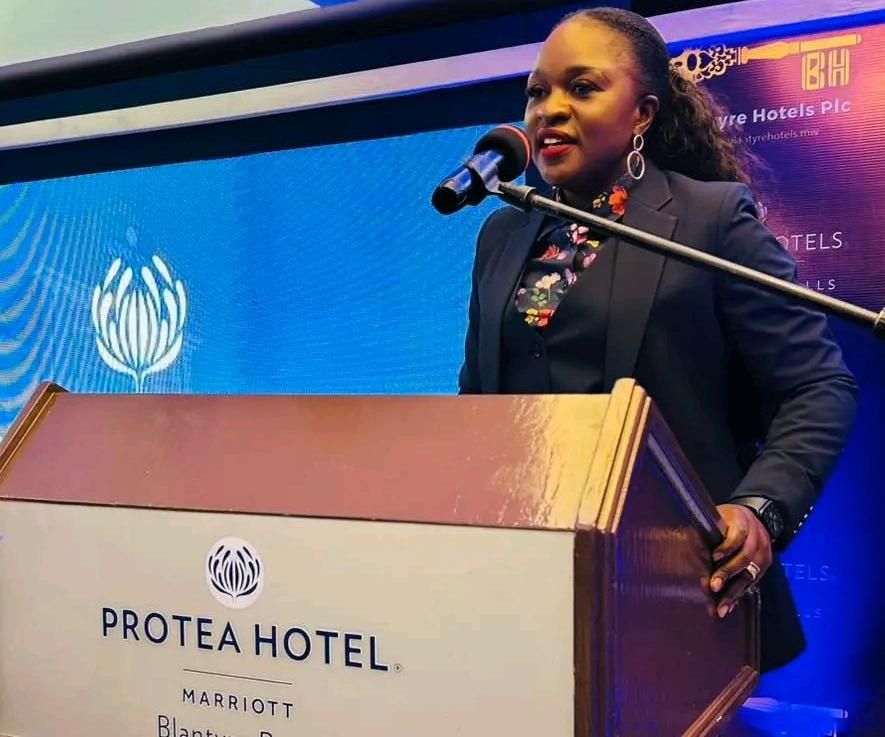

According to Kamtukule, creating a middle class and mobilizing people to invest in shares is vital for the country’s economic growth.

“By investing in shares, Malawians can contribute to the growth of the tourism sector and benefit from potential financial gains.

“This can  possibly promote economic development and create a middle class,” said Kamtukule.

BHL plc, listed on the Malawi Stock Exchange(MSE), plans to raise K62.4 billion through a rights issue to complete the construction of a 180-bed hotel at Lilongwe Golf Club.

The rights issue is set to open on November 25 and close on December 26, 2024.

BHL plc chairperson Vizenge Kumwenda expressed optimism about the project, stating that it will have a positive impact on the economy.

Said Kumwenda:”The construction of the new hotel at Lilongwe Golf Club is expected to have a positive impact on the economy, and the rights issue provides an opportunity for Malawians to be part of this growth.”
Solidaridad presents on strengthening Agri-food systems at Cop29 in Azerbaijan

By Staff Reporter

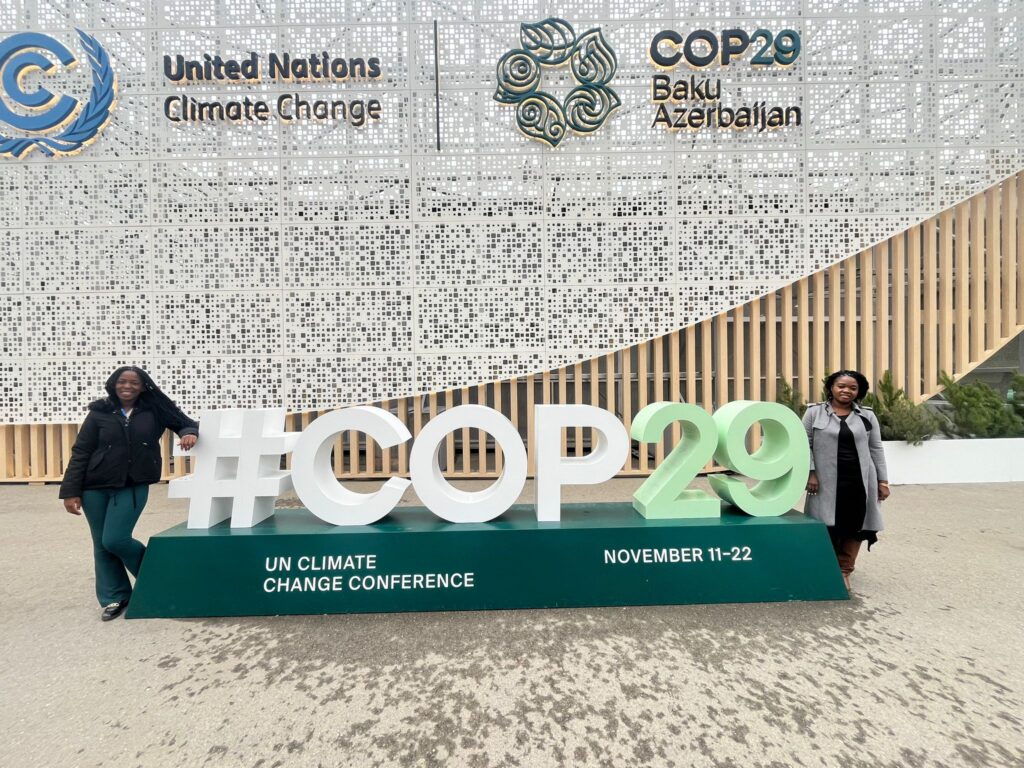
 Solidaridad, in partnership with TrustAfrica, the World Resources Institute (WRI), and the Nationally Determined Contributions (NDC) Partnership, hosted a pivotal session at COP29 in Baku, Azerbaijan, titled Strengthening Agri-Food Systems: Opportunities to Fast Track NDC Implementation Goals”

As climate change continues to threaten Africa’s food systems, Solidaridad and its partners aim to showcase innovative, locally-led solutions that support small-scale farmers in building resilience. Smallholder farmers produce over 70% of Africa’s food supply but remain some of the most vulnerable to climate impacts. A recent study by Solidaridad revealed that 75% of African farmers lack access to resources needed to adapt effectively to climate change.

“Smallholder farmers are not just victims of climate change—they are central to its solutions. By providing tools, finance, and technology, we can transform their potential into scalable climate action,” said Nonsikelelo Nkomo, Business Development Manager at Solidaridad.

The session did spotlight strategies to unlock climate finance, transfer agri-technologies, and introduce and roll out digital tools to accelerate the achievement of NDCs. Discussions also emphasized on the critical role of women, youth, and marginalized communities in co-creating equitable and climate-resilient food systems.

Speakers at the session were Beatrice Makwenda, Programme Lead, Southern Africa, TrustAfrica/ Denis Jean Sonwa, Research, Data, and Impact Director, Africa, WRI,Sweeny Binsari, Regional Climate Change Lead, Solidaridad East & Central Africa and Nonsikelelo Nkomo, Business Development Manager, Solidaridad

Highlighting the importance of linking local solutions with global goals, said Sweeny Binsari, Regional Climate Change Lead, Solidaridad East & Central Africa: “Innovations like climate adaptation finance and carbon credit systems can inventive and unlock transformative opportunities for smallholder farmers. These tools not only empower communities but also accelerate global climate targets.”

This conversation is particularly relevant for Africa, where agriculture remains a cornerstone of livelihoods and economies. By fostering collaboration and innovation, the continent can transform its agri-food systems into resilient engines of growth that contribute meaningfully to global climate goals.

Road to 2025: Dr. Dalitso Kabambe convenes first UTM Central Executive Meeting

0

By Burnett Munthali

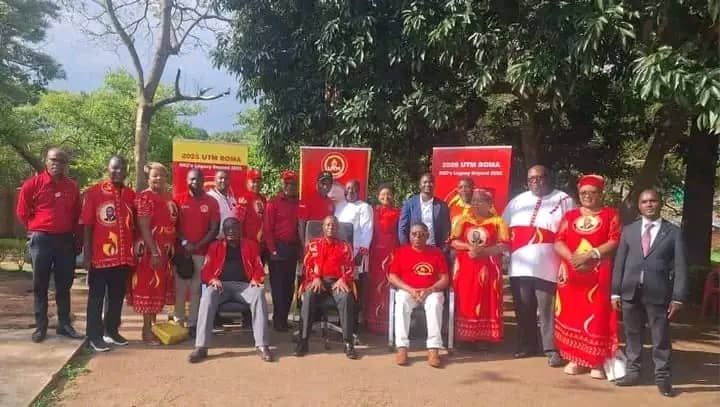
In a defining moment for the UTM Party, newly elected President Dr. Dalitso Kabambe today convened his first Central Executive Meeting at the party’s headquarters in Lilongwe. This meeting marked a significant step forward as the party prepares to position itself strategically ahead of the 2025 general elections.

The gathering not only confirmed the successful conclusion of the party’s much-anticipated convention but also showcased the readiness of its newly elected leadership to embark on the journey toward building a more formidable political presence.

UTM NEC Meeting

The Central Executive Meeting highlighted the unity and enthusiasm of the new leadership team. Dr. Kabambe, a seasoned economist and former Reserve Bank Governor, addressed the members with a message of hope, determination, and readiness to tackle Malawi’s pressing challenges.

“This marks the beginning of a new chapter for the UTM Party. We are ready to serve the people of Malawi with innovative ideas, transparent governance, and a commitment to improving the lives of every citizen,” Dr. Kabambe stated.

He further emphasized that the party’s focus will be on addressing key issues such as economic recovery, youth empowerment, and tackling corruption, all of which will form the cornerstone of UTM’s agenda as it heads toward 2025.

The meeting was characterized by detailed discussions on the party’s roadmap to the next elections. Key points of deliberation included:

1) UTM aims to solidify its grassroots presence by engaging local leaders and communities. The new leadership has pledged to enhance communication and collaboration across all regions.


2) The Central Executive Committee outlined the party’s key policy areas, including economic reforms, education, and healthcare.


3) Discussions also touched on potential alliances and coalitions, with Dr. Kabambe emphasizing the importance of partnerships that align with the party’s values and vision for Malawi.


4) Recognizing the critical role of youth and women in shaping the country’s future, the party resolved to launch targeted programs aimed at empowering these groups.

The successful convention, which saw the election of Dr. Kabambe as president, was a turning point for UTM. The event not only affirmed the party’s democratic values but also demonstrated its ability to rise above internal divisions and focus on the greater goal of national development.

Party insiders have described the new leadership team as a balanced and dynamic mix of experienced politicians and fresh faces, all committed to driving the party forward.

Malawians are watching the UTM Party closely as it positions itself as a serious contender in the 2025 elections. The party’s emphasis on transparency, accountability, and innovative policies has resonated with many citizens who are eager for change.

A political analyst noted, “Dr. Kabambe brings a new energy to the UTM Party. His background in economics and governance could be a game-changer if the party can effectively communicate its vision and deliver on its promises.”

As UTM begins its journey under Dr. Dalitso Kabambe’s leadership, the road to 2025 is sure to be both challenging and promising. With a clear plan, committed leadership, and a focus on the needs of Malawians, the party appears ready to make its mark on the national stage.

The Central Executive Meeting serves as a strong indicator that UTM is ready to move forward with renewed purpose and determination. The countdown to 2025 has begun, and all eyes are on UTM as it charts its course toward the future.

The question remains: will this new chapter in UTM’s history bring the change Malawians are yearning for? Time will tell.

Lawyer Alexius Kamangila fires back amidst heated debate on judicial corruption

0


By Burnett Munthali

The ongoing saga surrounding allegations of judicial corruption has taken another dramatic turn as lawyer Alexius Kamangila has penned a scathing response to claims made by self-proclaimed journalist Morton Baghaya. Kamangila’s hard-hitting remarks come as tensions rise in a case that has captivated public attention and sparked intense debate about justice, corruption, and accountability in Malawi’s judiciary.

In a controversial statement, Morton Baghaya declared, “Basitu, case ya Alex yatsekedwa. RIP. Akuti palibe wapita Ku JSC kukapereka umboni wa katangale.” (Simply put, Alex’s case is closed. RIP. It’s claimed no one went to the Judicial Service Commission (JSC) to provide evidence of corruption). Baghaya also criticized Kamangila’s handling of the case, implying that the lawyer lacked evidence and strategy, and accusing him of failing to engage the media to rally public support.

Kamangila


Baghaya’s arguments rested on four key points:

1) He argued that Kamangila’s failure to present concrete evidence undermined the credibility of his claims.


2) Baghaya accused Kamangila of fighting the battle alone without building alliances or a strategic “army.”


3) He emphasized the importance of involving journalists to amplify the case and set the agenda.


4) Baghaya contended that ordinary Malawians, struggling with basic needs like salt, are not invested in “higher-order issues” such as justice reform.

In his response, Kamangila did not mince words, branding Baghaya as either “so stupid or being paid by the corrupt.” He dismissed Baghaya’s assertions as baseless and questioned his credibility as a journalist, calling him an individual whose observations lack depth or intelligence.

Kamangila reiterated his commitment to exposing corruption within the judiciary, describing the fight as a “TSUNAMI” that corrupt judges and lawyers will not escape. He maintained that the battle is far from over and promised to apply pressure where it hurts most: “Awawa tiwafinya the neck of their balls. Trust me.”

Kamangila acknowledged that building a corruption case against judges requires more than allegations, but he pushed back against claims that he lacked evidence. He accused Baghaya of misunderstanding the complexities of legal investigations, noting that whistleblowers often rely on investigators to verify and act on their claims.

While Baghaya criticized Kamangila for not effectively utilizing the media, Kamangila countered by stating that the media landscape in Malawi is often influenced by vested interests. He argued that not all journalists are willing to champion the truth, especially when it threatens powerful institutions or individuals.

Kamangila broadened the conversation, pointing out that corruption is not unique to the judiciary but is prevalent in other sectors, including the police, immigration, and traditional leadership. However, he stressed that systemic corruption must be addressed at all levels to restore public trust.

The public remains divided on the issue, with some supporting Kamangila’s bold stance against judicial corruption and others echoing Baghaya’s skepticism. Critics of Kamangila argue that his lack of tangible evidence undermines his case, while supporters believe his courage to speak out against corruption is commendable.

One observer remarked, “Morton may have valid points about evidence, but Kamangila’s fight is exposing cracks in the judiciary that cannot be ignored.”

Both Kamangila and Baghaya agree on one point: corruption in Malawi’s judiciary is a problem that needs addressing. However, the approach to tackling it remains contentious. Kamangila continues to push for accountability and reform, while Baghaya advocates for a more strategic and evidence-based campaign.

As Kamangila puts it, “This momentum will not be wasted. These corrupt judges and lawyers must be held accountable. Keep watching the developments.”

The battle over judicial corruption is far from over, with Kamangila promising to escalate his efforts despite criticism. His fiery response to Baghaya’s claims has added another layer of intrigue to a case that has already captivated the nation.

In the end, the fight for justice in Malawi will require more than just words—it demands evidence, strategy, and collective action. Whether Kamangila’s approach will yield results remains to be seen, but one thing is clear: the conversation about judicial corruption has only just begun.

Keep watching this space. The tsunami is coming.

French Teachers in Malawi Complete Training, Commended for Commitment

0

By Twink Jones Gadama

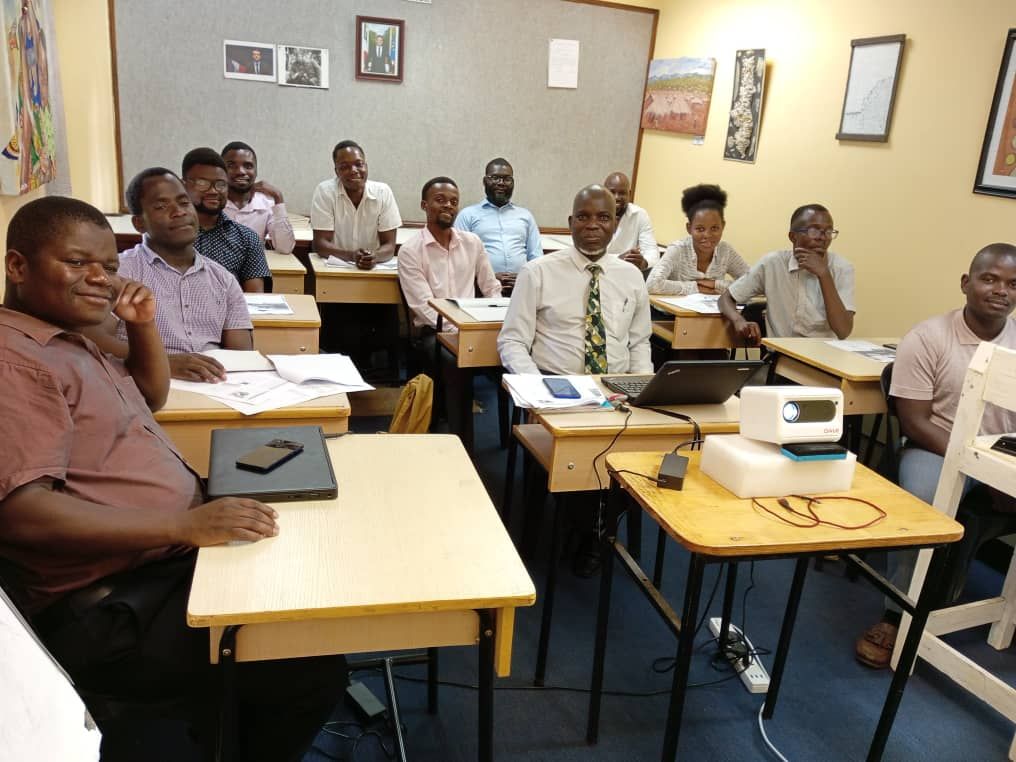
After a two-week intensive training program, French teachers from all regions of Malawi have successfully completed their training and sat for language proficiency exams, known as DELF (Diplôme d’Études en Langue Française).

The training, which was sponsored by the French Embassy, aimed to enhance the teaching skills of French teachers in Malawi and promote the learning of French in the country.

Speaking after the exams, Poya Chapweteka, one of the trainers, commended the trainees for their commitment and dedication throughout the training.


“We had French teachers who showed dedication and commitment in the learning, and that was so encouraging,” Chapweteka said. “The trainees were very enthusiastic and eager to learn, which made our job as trainers very easy.”

One of the trainees, Brian Bauleni, said he enjoyed the training and has gained a lot from it.

“The training was very informative and interactive,” Bauleni said. “I have learned new teaching methods and techniques that I can use in my classroom to make learning French more fun and engaging for my students.”

The Association of Malawi English and French Teachers (AMEF) has commended the French Embassy for sponsoring the training.

“We are very grateful to the French Embassy for sponsoring this training,” said Martha Chauya, President of the AMEF. “This training has come at the right time, as we are working to promote the learning of French in Malawi.”

Chauya called upon the French teachers to use the skills acquired during the training to teach their students effectively.

“We urge the French teachers to use the skills they have acquired during this training to teach their students effectively,” Chauya said. “We also encourage them to share their knowledge and skills with their colleagues who did not attend the training.”

The training is part of the French Embassy’s efforts to promote the learning of French in Malawi. The embassy has been working closely with the Malawi government to promote the teaching and learning of French in the country.

“We are committed to promoting the learning of French in Malawi,” said Jérôme Cosnard French Linguistic Officer for the French Embassy based in South Africa.
“We believe that learning French can open up many opportunities for Malawians, both in terms of education and career prospects.”

Cosnard said that the embassy plans to continue supporting the teaching and learning of French in Malawi.

“We plan to continue supporting the teaching and learning of French in Malawi,” Jérôme said. “We will continue to work closely with the Malawi government and other stakeholders to promote the learning of French in the country.”

In conclusion, the completion of the French training program is a significant milestone in the promotion of the learning of French in Malawi.

The training has equipped French teachers with the skills and knowledge they need to teach French effectively, and it is expected to have a positive impact on the teaching and learning of French in the country.