Tuesday, December 16, 2025
No menu items!
spot_img
Home Blog Page 93

White House: Trump’s tough words on Russia part of strategic negotiation tactic


By Burnett Munthali

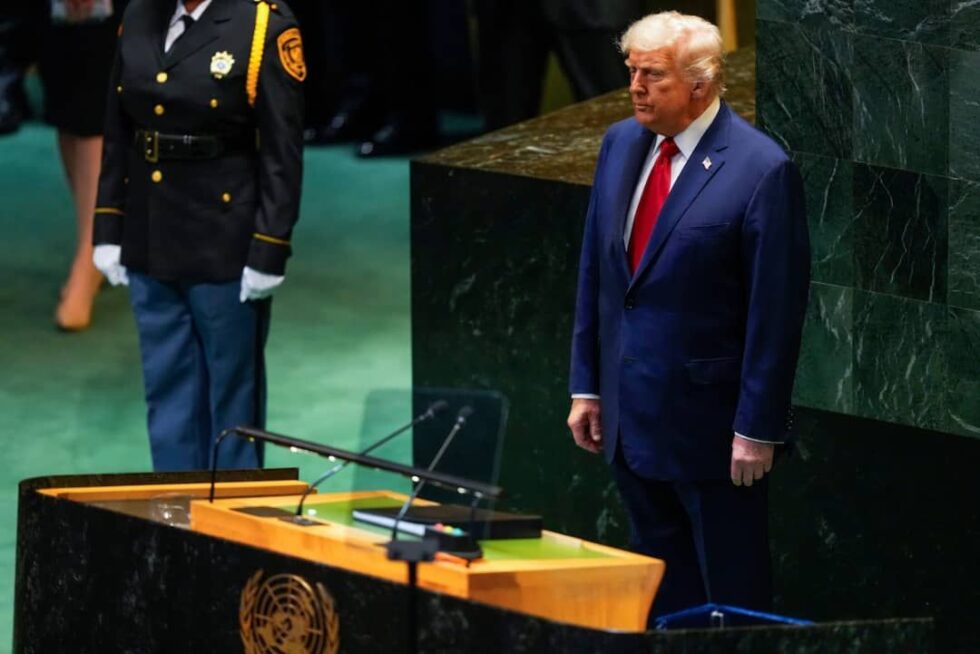
President Donald Trump’s recent furious rhetoric toward Russia is “a negotiating tactic,” a senior White House official said Wednesday.

The statement comes a day after the president surprised global policymakers and drew praise from Ukrainian leaders by publicly supporting Kyiv’s ambitions for a decisive defeat of Russia.

The senior White House official described Trump’s apparent flip in favor of Ukraine reclaiming its full territory as a clear marker of his growing frustration with Russian President Vladimir Putin.


This shift follows a high-profile summit in Alaska between Trump and Putin about a month ago, which the official noted yielded few concrete results.

Observers said Trump’s approach, combining tough rhetoric with direct engagement, is aimed at pressuring Moscow into negotiations on terms favorable to the United States and its allies.

The White House official emphasized that the president’s public statements are part of a broader diplomatic strategy rather than a sudden change in policy toward Russia or Ukraine.

Ukrainian officials welcomed Trump’s comments, viewing them as a signal of stronger U.S. support for Kyiv’s territorial ambitions and continued resistance against Russian advances.

Kyiv’s Foreign Ministry issued a statement praising the United States for “standing firmly with Ukraine’s sovereignty and territorial integrity,” noting that Trump’s remarks bolster morale among Ukrainian forces and citizens.

European leaders also reacted cautiously, with German Chancellor Olaf Scholz emphasizing the need for continued dialogue and careful coordination within the European Union to avoid escalation.

French President Emmanuel Macron welcomed the U.S. support for Ukraine but urged Washington and its allies to “act in unity and maintain open channels for diplomacy” to prevent further destabilization.

NATO Secretary General Jens Stoltenberg described Trump’s statements as “an important reminder of the West’s commitment to Ukraine,” while reiterating that NATO seeks a balanced approach of deterrence, support, and dialogue.

Global policymakers reacted with surprise to the sudden shift, highlighting the unpredictable nature of Trump’s diplomatic style and its potential implications for European security.

Analysts say the move underscores the delicate balance the U.S. seeks to maintain—asserting pressure on Moscow while managing international alliances and avoiding direct escalation.

As the situation evolves, Trump’s statements are likely to continue drawing close attention from both allies and adversaries, with each remark potentially influencing the dynamics of the Ukraine-Russia conflict.

The Alaska summit, which had been intended to build dialogue and reduce tensions, now serves as a backdrop to the president’s more assertive posture toward Russia, illustrating the complexities of U.S.-Russia relations in the current geopolitical climate.

Observers note that the coordinated reactions from Ukraine, European capitals, and NATO underscore the global stakes involved and the importance of measured diplomacy even amid assertive public rhetoric.
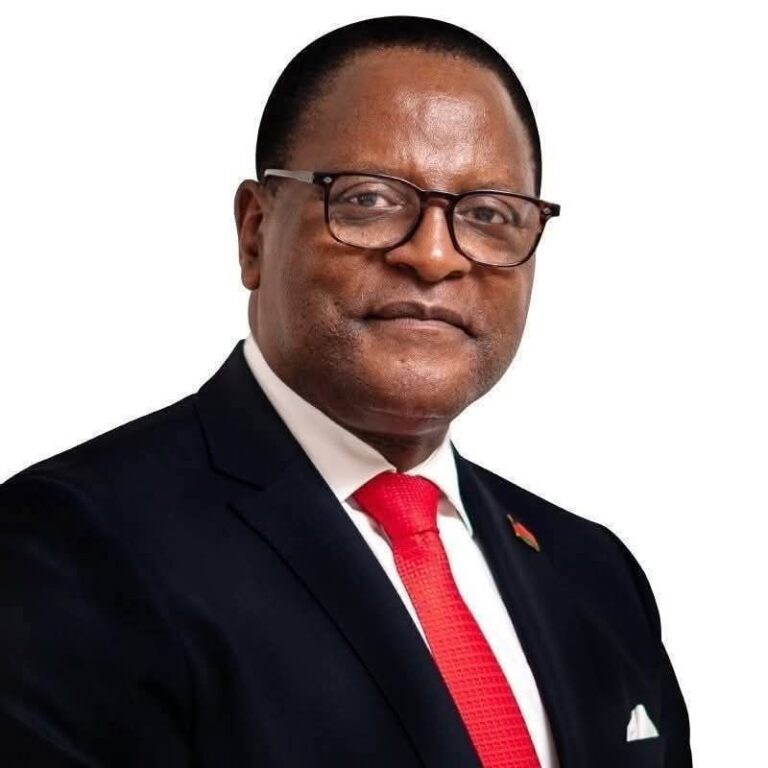
Chakwera’s statesmanship shines in conceding defeat

0


By Chisomo Phiri

On September 24,2025,Malawians witnessed an extraordinary moment in their democratic journey when out going President Lazarus Chakwera conceded defeat in the presidential election held on September 16,2025.

In a political environment where clinging to power has too often been the norm across Africa, Chakwera’s graceful acceptance of the people’s verdict is nothing short of historic.

Chakwera


Conceding defeat is never easy. For a leader, it is a test of humility, patriotism, and maturity.

By placing the will of the people above personal ambition,Chakwera  demonstrated what true statesmanship looks like.

He shown that leadership is not about holding onto power at all costs, but about serving citizens with dignity, even when the outcome is not favorable.

For Malawi, this moment represents a new dawn for democracy.

Chakwera’s concession reinforces the principle that power belongs to the people, and that leaders are merely custodians, not owners, of state authority.

It sets a powerful precedent for future elections that disputes can be handled peacefully, that democracy thrives on accountability, and that the ballot is stronger than the bullet.

The impact of this gesture goes beyond our borders.

In a continent often scarred by contested elections and prolonged political crises, Malawi now stands tall as a model of democratic practice.

Chakwera has added Malawi’s name to the short but growing list of African nations where sitting leaders respect the outcome of free and fair elections.

History will remember Chakwera not only as a president but as a democrat who loved his country more than the trappings of power.

His concession is a gift to Malawi’s democratic legacy, and a lesson to leaders everywhere as true greatness is found not in victory alone, but in how one handles defeat.

Chakwera became Malawi president in the 2020 court-sanctioned presidential election.

DPP supporters celebrate Mutharika’s victory at National Tally Centre

0

By Burnett Munthali

Democratic Progressive Party (DPP) supporters erupted into celebration at the National Tally Centre in Lilongwe after Professor Arthur Peter Mutharika was declared the winner of the September 16 Presidential Election.

The announcement by the Malawi Electoral Commission was met with jubilation, with chants, songs, and dances filling the air as blue flags waved high inside and outside the venue.


For many loyalists, the moment symbolized not just the triumph of their party, but also the return of a familiar leader they believe can restore stability and direction to the country.

Supporters embraced one another, chanting Mutharika’s name, while others described the victory as a reward for resilience and perseverance after years in opposition.

The atmosphere at the tally centre was charged with emotion, with party officials joining the crowds in celebrating what they termed a “historic comeback” for both Mutharika and the DPP.

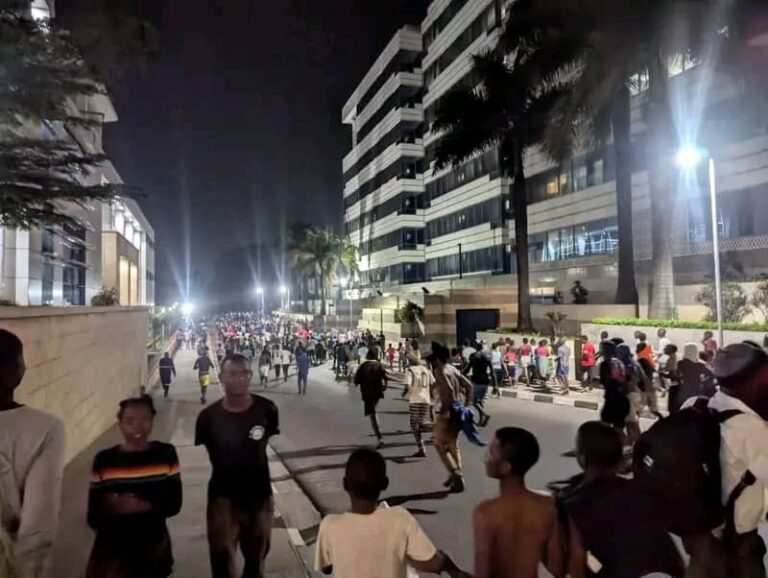
Across the capital city, spontaneous celebrations spread to major townships, where car horns, whistles, and ululations echoed late into the night.

Many supporters carried placards praising Mutharika as a steady hand who had once led the nation and now returned to reclaim leadership at a time of crisis.

Party loyalists expressed renewed hope that his administration would prioritize economic revival, job creation, and stronger governance in response to the challenges facing Malawians.

The victory has been hailed within the party as a vindication of their belief in Mutharika’s leadership, and as a sign that the electorate remains confident in the DPP’s vision.

For the supporters who filled the tally centre, the celebrations were more than just political—they were personal, emotional, and deeply symbolic of a long-awaited return to power.

Catholic University students lead jubilant celebrations after Mutharika’s Presidential Win

0


By Burnett Munthali

Celebration erupted at the Catholic University campus in Nguludi, Chiradzulu, as students danced and sang victory songs following the Malawi Electoral Commission (MEC) declaration of Professor Arthur Peter Mutharika as the new President of the Republic of Malawi.

The announcement of Mutharika’s victory sent waves of excitement across the campus, compelling both students and community members to flock to the streets in celebration of Malawi’s new leader.

Fireworks lit up the night sky, creating a vivid picture of jubilation and marking the historic moment with color and spectacle.


Students expressed joy and optimism, with many describing the victory as a turning point for the country’s future.

Community members joined in the festivities, reflecting the strong connection between the youth and the broader civic engagement inspired by the election results.

Observers noted that the lively celebrations highlighted both the enthusiasm of the younger generation and the sense of hope that accompanies the transition of leadership.

The event at Catholic University mirrors similar celebrations across Malawi, demonstrating nationwide support for the newly elected President and Vice President.

Residents and students emphasized the importance of unity and participation in the democratic process, expressing hope that the new administration would address pressing issues such as education, youth employment, and local development.

Analysts suggest that the active engagement of students in public celebrations signals a growing role for youth in shaping Malawi’s civic and political future.

The jubilant atmosphere also reflects broader expectations that the Mutharika administration will deliver on promises of economic growth, improved education systems, and inclusive governance.

In conclusion, the celebrations at Catholic University not only commemorate a political victory but also symbolize hope, renewed civic energy, and the aspirations of Malawi’s youth for accountable, effective leadership.

Blantyre CBD erupts in night-long celebrations as Mutharika declared President

0

By Burnett Munthali

Blantyre, September 24, 247 Malawi: Large crowds gathered at the heart of Blantyre City on Tuesday night to celebrate the victory of Professor Arthur Peter Mutharika.

The celebrations followed the official announcement of the presidential election results by the Malawi Electoral Commission (MEC).

MEC Chairperson, Justice Annabel Mtalimanja, officially declared Professor Mutharika the winner of the 2025 Presidential Election.

Mutharika triumphed over 16 other contestants in the race for the highest office in the country.


Supporters filled the streets, waving Democratic Progressive Party (DPP) flags, singing, and chanting slogans to mark the historic moment.

Some people were heard shouting “wadya mtoliro” as they joined the processions.

A lady in Chilinde remarked, “This has never happened before,” reflecting the scale and energy of the night-long celebrations.

Another woman described Mutharika as “a blessed man,” insisting that God had allowed his return to victory.

The atmosphere was electric, with car horns blaring, fireworks lighting up the sky, and music filling the neighborhoods.

Residents described the celebrations as a reflection of relief, joy, and renewed hope in the leadership of Professor Mutharika.

Dr. Jane Ansah, who was also declared Vice President, was widely praised by supporters, with many women expressing pride in her elevation to the second-highest office in the land.

The Democratic Progressive Party faithful said the results showed the trust Malawians have placed in their leaders to steer the country forward.

In Biwi Township, crowds gathered late into the night, singing and dancing in unison to traditional rhythms.

At Mchesi, young people organized spontaneous parades, while in Falls Estate, residents celebrated from their balconies and rooftops.

The celebrations in Nathenje carried on until dawn, with community members describing the victory as “a turning point” for the nation.

Across the capital, the spirit of unity and triumph was evident as both the old and young joined hands in celebration.

Observers noted that the night-long festivities highlighted the emotional weight of the election outcome and the deep connection between the DPP leadership and its grassroots supporters.

Security agencies were present to ensure the festivities remained peaceful and orderly throughout the night.

Community members expressed optimism that the victory would usher in a new era of governance, stability, and national development.

*Looking Ahead: Implications of Mutharika’s Victory for Malawi*

The jubilant celebrations in Blantyre and across the country reflect high public expectations for tangible change and responsive leadership.

Professor Mutharika now faces the challenge of translating popular support into effective governance, focusing on economic recovery, job creation, and investment in critical sectors such as agriculture, education, and infrastructure.


In agriculture, his administration is expected to roll out irrigation programs, expand access to affordable farm inputs, and strengthen market linkages to improve food security and boost rural livelihoods.

Education will be a key priority, with initiatives such as sustaining free secondary education, improving school infrastructure, recruiting and training more teachers, and ensuring access to quality education for all children.

Youth employment schemes are anticipated, including support for small businesses, entrepreneurship programs, and skills development initiatives to reduce unemployment and harness the demographic dividend.

On the economic front, Mutharika’s government is expected to implement policies that attract foreign investment, stabilize the local currency, and strengthen public financial management. Combating corruption and promoting transparency will be central to these efforts.

Foreign relations and regional diplomacy are also likely to be emphasized, with Malawi seeking to strengthen partnerships, attract development aid, and enhance trade with neighboring countries and international stakeholders.

The celebrations signal an opportunity for national unity, but political analysts note that sustained peace and stability will depend on how inclusively the new government manages dissenting voices and incorporates opposition perspectives in policymaking.

For Malawians, these festivities are more than party politics—they symbolize hope for effective leadership, social progress, and a vibrant, accountable democracy.