Super League side Creck Sporting Club has again suspended Head Coach McDonald Mtetemera following the team’s poor performance in recent games.
Creck Sporting has failed to register a win in five games and last weekend they were beaten at home by Karonga United.
Mtetemera- sacked
Mtetemera who is just coming from another suspension, is expected to appear before the team’s technical committee on Friday where his contract is expected to be terminated.
Vice Coach Joseph Kamwendo is likely going to replace Mtetemera as the team’s Head Coach.
Creck Sporting is currently on position ten on the TNM Super League log table with 32 points after playing 23 games.
Football Association of Malawi (FAM) has announced that it has terminated the contract of the Malawi Senior Men’s National football Team Coach Patrick Mabedi with immediate effect.
According to a Statement released by the football governing body, the termination of the contract is in line with resolutions of the FAM Emergency Committee held on 28th October 2024.
The statement further says that the decision is based on the recommendations from the Technical Committee following the dismal performance of the Flames and subsequent failure to qualify for the Total Energies AFCON 2025.
Mabedi- sacked
FAM has since assured all stakeholders that it will ensure seamless continuity in the Flames’ undertakings in the various competitions and that it will be putting together a temporary technical panel that will lead the team into the next assignments until a substantive replacement is identified.
Football Association of Malawi has also thanked Mabedi for the contributions he made during the time he served as Flames’ Coach.
Two people, a mother and daughter have died after being struck by lightening at Chibade village in Traditional Authority Chitukula in Lilongwe.
Lumbadzi police station spokesperson Felix Kwinyani said the two are 40-year-old Enita Sasu, and Sililani Batisoni aged 18.
He said the incident took place on Monday, October 28, 2024, in the afternoon during a thunderstorm. The victims were inside their house when the lightning struck.
“The older daughter, who resides nearby, discovered their lifeless bodies after the storm had passed and reported the incident to police who rushed them to the hospital, where they were pronounced dead,” he said.
Kwinyani said postmortem that was conducted at Area 25 Health Centre revealed that the two died due to suffocation caused by the lightning strike.
He said police are advising communities to take necessary precautions, including; avoiding open areas or tall objects during thunderstorms, avoiding the use of electrical appliances during storms and staying abreast of weather updates.
Zomba Central Hospital (ZCH) has taken a significant leap towards improving healthcare services with the arrival of the first consignment of medical supplies and equipment worth K1.14 billion.
This generous donation, courtesy of a consortium of organizations within and outside Malawi, is part of a larger initiative aimed at strengthening the country’s healthcare system.
The consortium, led by Chairperson Kamuzu Chibambo, plans to distribute 100 containers of medical equipment and supplies to hospitals nationwide.
Each district is expected to receive three containers, marking a substantial boost to healthcare infrastructure.
Chibambo emphasized the importance of responsible stewardship over these donations, urging hospital staff to utilize the resources effectively.
ZCH’s Hospital Director, Saulos Nyirenda, assured that the medical supplies and equipment will be used for their intended purpose.
“Malawi needs healthy people to develop,” he stressed, highlighting the critical role healthcare plays in the country’s growth.
This collaborative effort demonstrates the power of partnerships in addressing healthcare challenges.
With this significant investment, Zomba Central Hospital and other healthcare facilities across Malawi are poised to deliver enhanced services, improving the lives of countless individuals.
As Malawi continues to strive for better healthcare outcomes, initiatives like this consortium serve as a beacon of hope.
By working together, we can create a healthier, more resilient nation.
In related news, efforts to decongest Zomba Central Hospital have been ongoing.
A study on the implications of decongesting the hospital revealed that primary health care facilities, such as gateway clinics, play a vital role in providing essential services.
The study highlighted the need for strategic direction, adequate resources, and effective management to ensure the success of these clinics.
The arrival of medical supplies and equipment at Zomba Central Hospital marks a significant step towards achieving quality healthcare services.
As the consortium’s efforts unfold, Malawians can look forward to improved health outcomes and a brighter future.
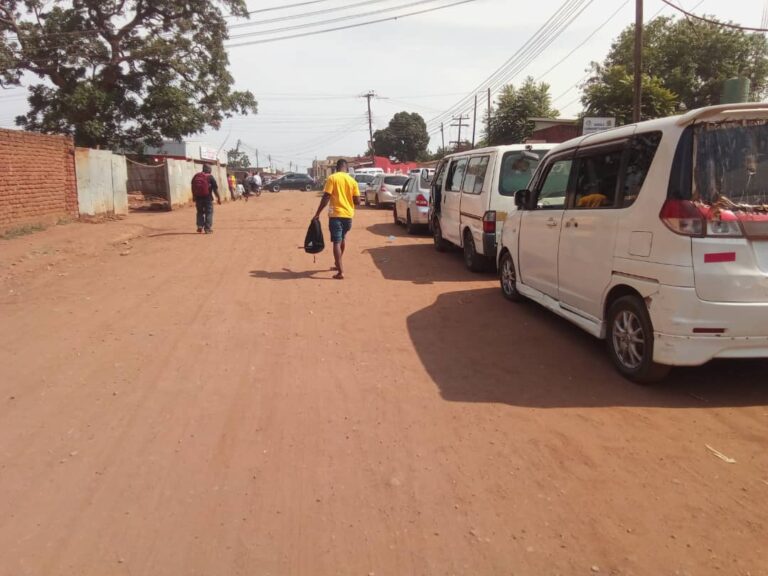
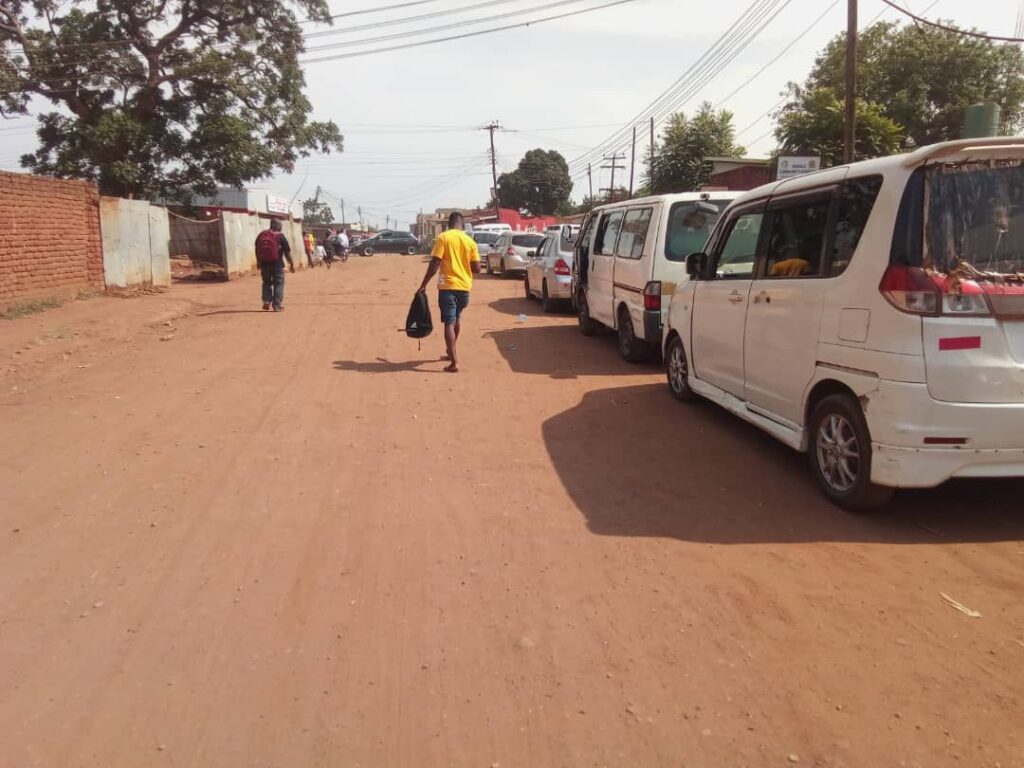
Malawi’s ongoing fuel crisis has entered its third week, bringing daily life to a near standstill and placing unprecedented strain on small businesses across the country. Fuel shortages have led to long lines at filling stations, while the prices for what little fuel is available have soared, adding an additional burden on an economy already grappling with inflation, currency depreciation, and supply chain issues.
Small businesses, which form the backbone of Malawi’s economy, have been hit hardest by the fuel crisis. From transport operators to street vendors, many entrepreneurs are struggling to stay afloat, and for some, survival has become uncertain.
For small businesses reliant on transportation, such as vendors, delivery services, and rural market traders, the high fuel costs have sharply eroded profit margins. Delivery services and taxis, in particular, are facing tough choices between drastically raising prices — potentially alienating their customer base — or absorbing the costs, which is quickly becoming unsustainable. Many businesses that rely on generators to cope with frequent power outages are now being forced to close early or cut production, further straining their financial stability.
“I’ve had to triple my delivery fees just to break even,” said a small business owner in Lilongwe who operates a mobile grocery delivery service. “It’s frustrating because my customers are already struggling with high prices, and this crisis is making things worse for everyone.”
The fuel crisis is not only affecting transport but is also driving up the costs of essential goods. As transportation costs climb, vendors are being forced to pass on these costs to consumers. Prices for groceries, construction materials, and other basic goods have surged, leading to inflationary pressures in a country already experiencing one of the highest inflation rates in recent years.
For small retail shops and market vendors, the increased costs are leading to reduced customer demand. Many people simply cannot afford the new prices, forcing small business owners to slash their inventory or risk being left with unsold stock.
The fuel crisis has compounded Malawi’s economic challenges, placing additional pressure on an economy with limited resilience. Economists are warning that if the fuel shortage continues, the situation could worsen into a full-blown economic crisis. Small businesses employ a significant portion of Malawi’s workforce, and any downturn in this sector could lead to widespread job losses and increased poverty.
“Small businesses are the lifeblood of the economy, but they’re on life support,” noted economist Tione Banda. “The government must act quickly to secure fuel supplies; otherwise, the impact on employment and economic stability could be disastrous.”
The government has attributed the crisis to foreign exchange shortages, which have made it difficult to procure fuel from international suppliers. Officials have assured the public that they are working on a solution, but the timeline remains uncertain. A lack of clear communication has fueled public frustration, with many feeling that the government’s response has been inadequate to address the severity of the crisis.
“Three weeks is too long. People are suffering, and businesses are closing. We need fuel, not excuses,” said one local business owner, reflecting the sentiments of many Malawians.
The fuel crisis has exposed Malawi’s vulnerability to external shocks and highlighted the need for robust energy and financial strategies. Experts are urging the government to diversify its energy sources and consider alternative strategies to mitigate future crises. However, in the short term, the focus remains on alleviating the immediate impact on small businesses and restoring the availability of fuel.
As the crisis drags on, there are concerns about potential social unrest, as citizens and businesses struggle to adapt to rising costs and limited resources. For now, Malawi’s small businesses are doing their best to survive, but without swift intervention, the economic toll could prove to be long-lasting.
In the face of these unprecedented challenges, the resilience of Malawi’s small businesses and citizens is being tested. Whether they can withstand this crisis will depend largely on the speed and effectiveness of government action to restore fuel supplies and stabilize the economy. For now, as lines grow longer at gas stations and business owners count their losses, the future remains uncertain.