The United States President’s Emergency Plan for AIDS Relief (PEPFAR) says it will continue supporting HIV and AIDS interventions in the country.
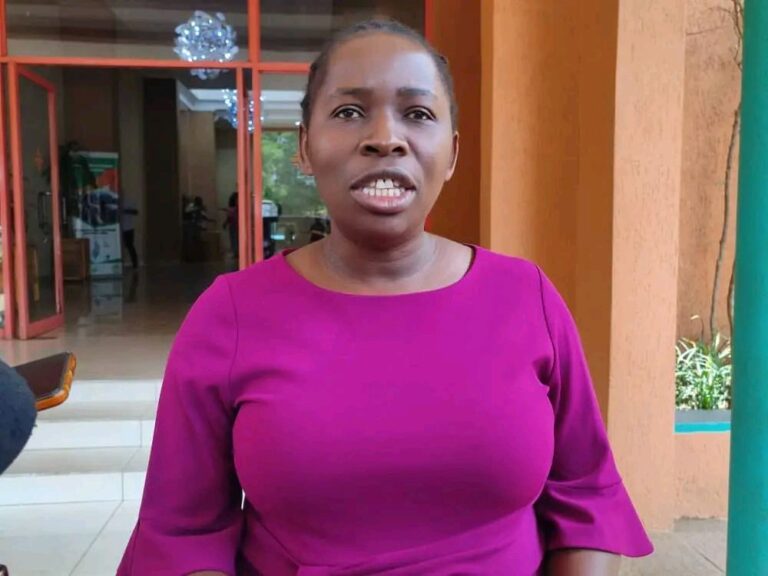
PEPFAR Deputy Coordinator Sarah Mwale said this during the national Community-Led Monitoring (CLM) stakeholders’ engagement in Lilongwe.
Mwale said the successes registered through CLM are an indication that community members are key stakeholders in monitoring service delivery.
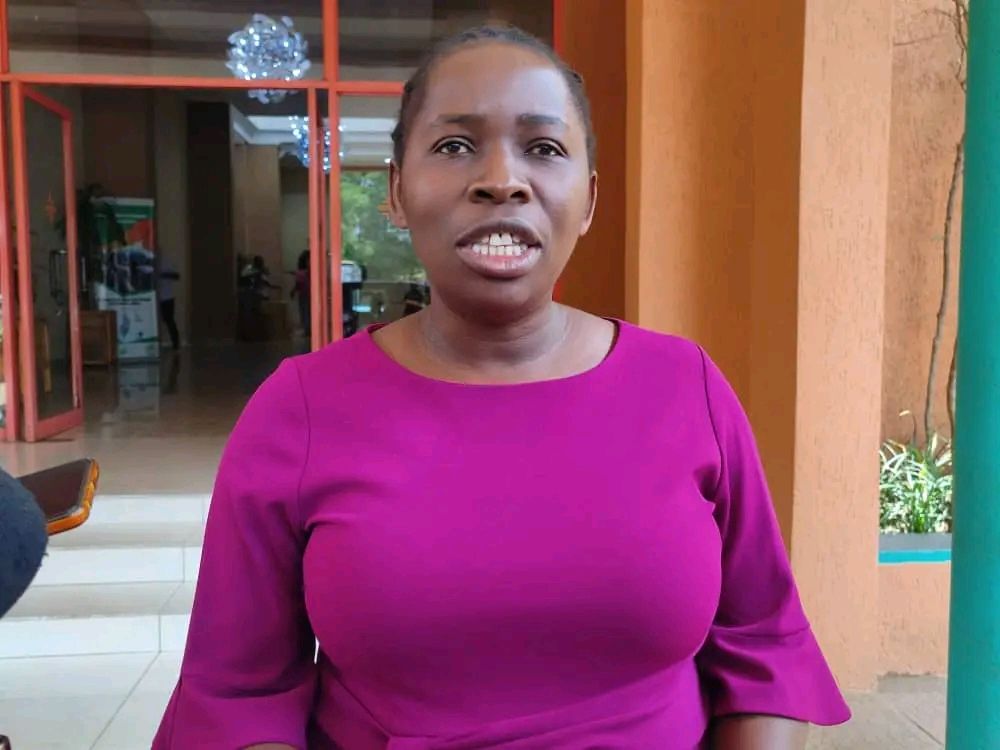
Sarah Mwale
“The approach helps to improve HIV/AIDS service delivery and also improves patients’ experience and outcomes. It is for this reason that PEPFAR is happy to continue supporting the program,” she said.
Henry Kalekwa, a community member from Zomba who is in the program, said through CLM, they have established that there is a shortage of resources, there are few psychosocial counselors, and a need for capacity building.
“The major challenge is that one service provider is allocated a huge area with more clients to attend to, as such quality is compromised. They need to train and recruit more,” said Kalekwa.
MANASO Executive Director Emily Kayimba said CLM has registered a number of successes, such as improvement in the human resource for health, establishment of isolated HIV service provision places, and improvement in ART adherence.
However, she said despite donor support, the government needs its own means of resource mobilization to ensure sustainability of the program when donor support ceases.
CLM is a tool used by the Malawi Network of AIDS Services Organizations (MANASO) in which community members are engaged in monitoring the delivery of HIV/AIDS and Tuberculosis (TB) services
The Department of Climate Change and Meteorological Services (MET) has issued a warning for an extended period of hot and uncomfortable weather in some parts of the southern region, starting from today until Wednesday next week.
MET projections show that temperatures are expected to rise significantly, with the Shire Valley exceeding 43 degrees Celsius, while temperatures in the southern highlands will reach 39 degrees Celsius.
The projections also show that temperatures in Mangochi will reach 35 degrees Celsius.
Says MET in a statement: “The excessive heat conditions are also expected to affect central and northern areas; hence, people in these areas should also take precautionary measures, as temperatures are expected to be high at times.”
Meanwhile, Malawians are being encouraged to stay hydrated, seek shelter, dress appropriately, check on vulnerable relatives, and avoid intensive activities, considering that prolonged excessive heat can pose serious health risks.
“Heat-related illnesses, like heat exhaustion and heatstroke, are a significant concern,” further reads MET’s statement.
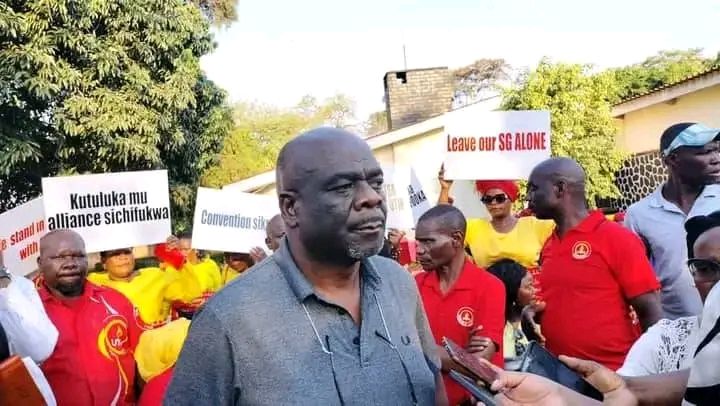
United Transformation Movement (UTM) Director of Economic Development, Newton Kambala, suspects that the arrest of UTM Secretary General, Patricia Kaliati, is politically motivated.
In an interview with 247 Malawi News, Kambala expressed concern that the arrest could affect the party’s preparations for its convention on November 17, 2024 .
Kambala
He said:“We have a NEC meeting today, and as the custodian of our minutes and agendas, she is supposed to be there. This arrest will likely disrupt our meeting.”
Kaliati was arrested by the Malawi Police Service (MPS) in Lilongwe on Thursday, October 24, 2024.
Police suspect that Kaliati conspired with two others to commit a serious offense.
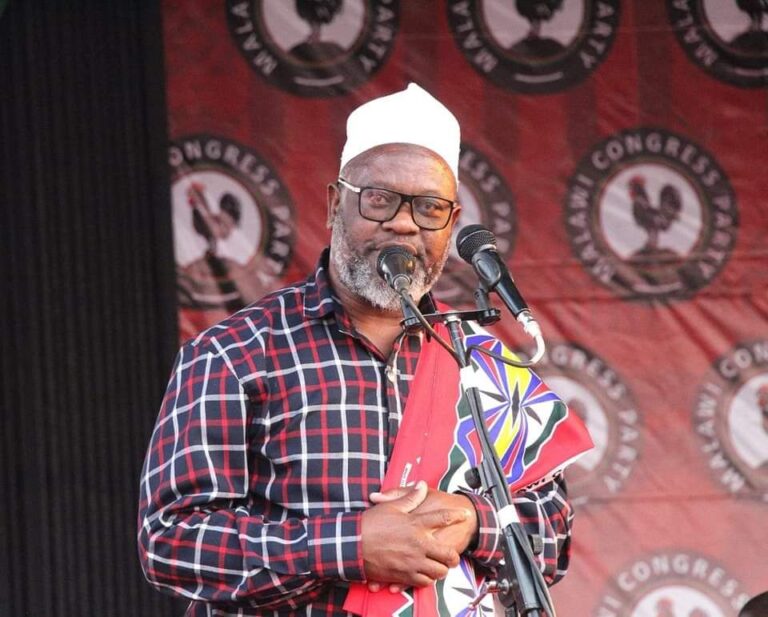
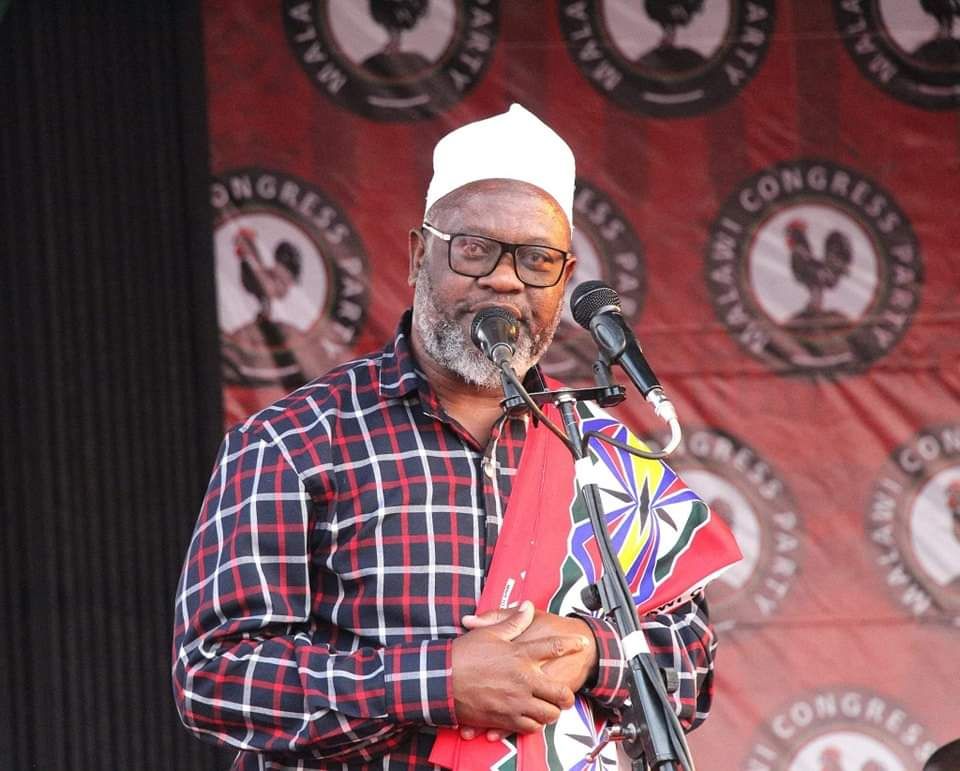
Honourable Sheikh Emran Ntenje is a well-known political figure in Malawi.
He recently joined the ruling Malawi Congress Party (MCP) on September 15, 2024, and is now at the center stage ahead of the 2025 political tussle.
But who is Honourable Ntenje, and what does this vastly learned political thinker desire to attain having bonded to the oldest political stratum of MCP?
Today, we caught up with the star at Area 6 in Lilongwe.
“I am from Mbaluku in Mangochi. As a Sheikh, I joined politics to mentor the nation that it is possible to run politics and Islam simultaneously with a uniform circular smartness,” introduces himself Honourable Ntenje.
Mtenje
He continues:”My primary goal is to positively change the mindset of fellow Malawians, especially in the North, East, and South.
“Most of us have grown up in a wholly misconceived environment that Malawi Congress Party is a Chewa and a Central Region party.
“That is the evil of tribalism and regionalism.
“Also, I am obliged to familiarize fellow Yaos from Mangochi, Balaka, Machinga, and Zomba with strong and powerful MCP ideas.”
He further explains:”I am sincere in my conviction that if adequate knowledge of the visionary socio-economic realisms of State President Dr. Lazarus McCarthy Chakwera, Malawi Congress Party, are voluminously diffused to every length and angle of the land, truly we are to counterattack the overtime compounded development monsters of tribalism and regionalism.
“I am not just a politician but also a historian. Contemporary democratic values must be localized. Patterning to this rich notion, I will ensure that there is strong MCP representation in the Yao-belt to achieve meaningful and even political empowerment.”
From his puzzling comprehension, philosophical profundity, and analytical acumen, it is a worthwhile conclusion that Honourable Ntenje is a blissful present in MCP.
It all started on 8 November 2013 , when bad news of all times broke. This time around 10 years ago, donors under the banner, Common Approach to Budget Support (CABS), announced that they have withdrawn budgetary support due to rampant looting of public funds (Cashgate).
This was what the CABS group co-chair and head of the Department for International Development (DFID) in Malawi Sarah Sanyahumbi had to say soon after their meeting at Capital Hotel.
“It is clear from what we already know, even though investigations are ongoing, that there are serious weaknesses in the government’s financial systems which allowed [what] we call Cashgate to actually happen. So we have seen serious weaknesses that have enabled people to take money out of the government system. While that is the case, you know the donors can not responsibly continue to put money into government systems. So, at the moment, while the investigations are going on, we have delayed any funding which was planned to go into the government system,” said Sanyahumbi.
The development brought economic problems in a country where 40 per cent of its national budget comes from donor aid.
DPP FAILED TO RESTORE DONOR CONFIDENCE
On 30 May 2014 , the then Opposition candidate Peter Mutharika was declared the winner of Malawi’s disputed presidential election under the Democratic Progressive Party with 36.4% of the vote.Following the win, Mutharika ruled the country for the full five year term but he failed to restore donor confidence. Donors were still scared to pump in their money due to rampant corruption in almost all corners of government.
RETURN OF DONOR CONFIDENCE UNDER PRESIDENT CHAKWERA
Barely few years in office ,President Chakwera demonstrated that he has a special mute attracting both bilateral and multilateral cooperations.
First, it was International Monetary Fund (IMF) pumping the much scares resources, and then World Bank followed.
Then, in 2023, Malawi’s major donors opened its doors. This was when the whole Norway Minister of International Corporations Bjorg Sandkjaer announced a direct budgetary support to Malawi economy worth K8Billion.
Sandkjaer said Norway is aware that Malawi is undergoing difficult situations because of the Russia / Ukrain war currently underway. He said the war has a global impact in African countries.
“Russia’s illegal war on Ukraine has global repercussions, impacting African countries in particular. That is why Norway steps up its support with an extraordinary allocation to assist developing countries who are severely affected by the consequences of this war.” He said.
Just on Wednesday 16 October 2024, the European Union (EU) after 10 years opened its doors in supporting Malawi.
EU signed a 55 million EUR financing agreement with the Government of Malawi. The Signing Ceremony represents a significant milestone in the partnership between Malawi and the EU, as it marks the resumption of EU budget support at a critical time for Malawi.
With a total value of EUR 55 million, of which EUR 50 million is allocated as direct budget support over a 30-month period, the programme aims to enhance efficiency, effectiveness, and quality in the delivery of secondary education services by combining support for sector-specific processes with the strengthening of the overarching Public Financial Management framework. A first disbursement of EUR 20 million is envisaged before the end of the year.
Speaking at the ceremony, which took place in Lilongwe, EU Ambassador Rune Skinnebach said “the agreement is a powerful symbol of renewed collaboration and commitment to our shared goals of stability, progress, and inclusive development in Malawi, delivering on EU’s Global Gateway initiative”.
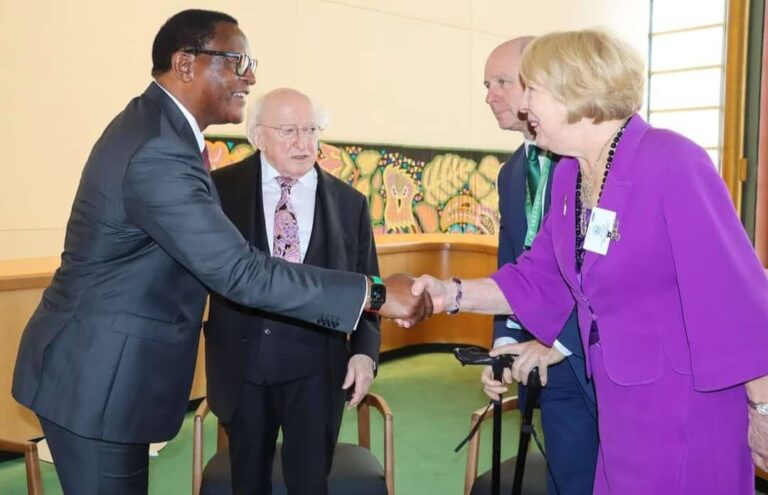
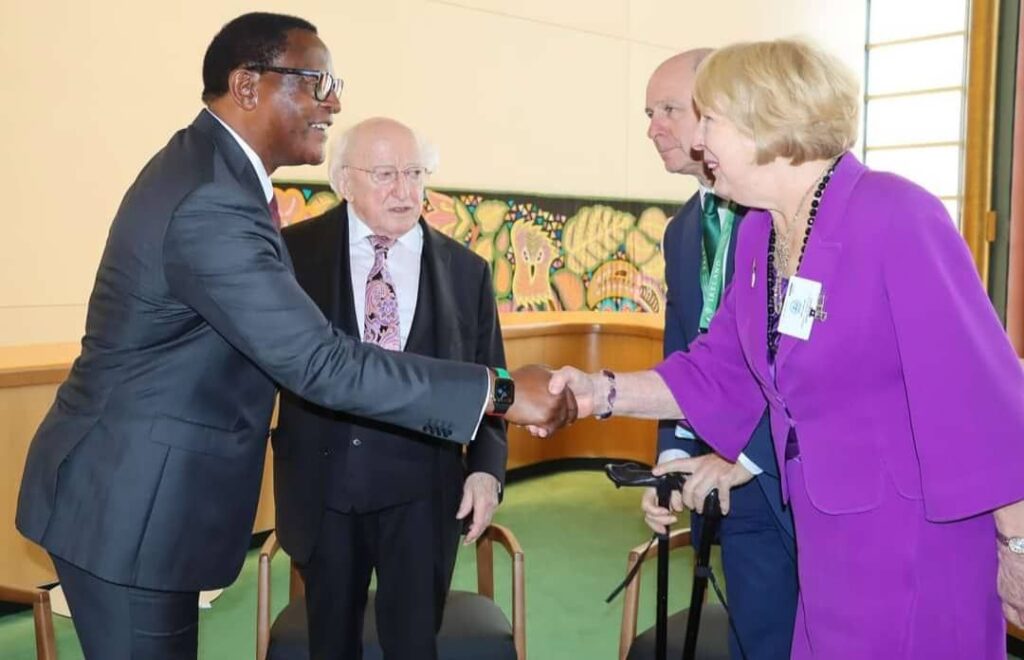
All this is happening under President Dr Lazarus McCarthy Chakwera leadership.