Sunday, April 5, 2026
No menu items!
spot_img
Home Blog Page 985

Alexious Kamangila critiques ACB’s approach to corruption in Malawi

0

By Burnett Munthali

In a scathing critique posted on his Facebook page, lawyer and social commentator Alexius Kamangila has voiced his deep concerns regarding the Anti-Corruption Bureau (ACB) in Malawi. He argues that the ACB’s focus on prosecuting lower-ranking officials, such as magistrates, instead of targeting high-profile individuals like Ken Manda and certain justices, undermines the agency’s credibility and effectiveness in combating corruption.

Kamangila’s remarks come amid growing public discontent with the ACB’s perceived ineffectiveness in addressing systemic corruption within Malawi’s political and judicial systems. He stated, “The greatest shame for ACB is its failure to arrest the likes of Manda and the Justice of Appeal, busy arresting Magistrates.” This assertion highlights what Kamangila sees as a troubling trend: the ACB’s emphasis on prosecuting less powerful figures while seemingly allowing more influential individuals to evade accountability.

Kamangila


In his post, Kamangila goes further by alleging that the ACB is complicit in the protection of corruption rather than its eradication. His statement, “ACB protects corruption in Malawi,” reflects a growing sentiment among many citizens who feel that the agency is not doing enough to confront the root causes of corruption within the country. This perspective raises important questions about the effectiveness and priorities of anti-corruption efforts in Malawi.

The implications of Kamangila’s comments resonate deeply within the broader context of Malawi’s ongoing battle against corruption. Many citizens are calling for more robust actions from the ACB, demanding that it prioritize high-profile cases that involve significant corruption and abuse of power, rather than focusing predominantly on lower-ranking officials who may be acting on orders from above.

Kamangila’s critique is particularly poignant given the historical context of corruption in Malawi, which has seen numerous high-profile cases go unpunished while those at the grassroots level face prosecution. His comments serve as a reminder that the fight against corruption must be comprehensive and equitable, targeting individuals at all levels of the political and judicial spectrum.

As discussions about the ACB’s effectiveness continue, Kamangila’s remarks may spark further debate about the agency’s approach and its commitment to genuine anti-corruption efforts. The call for transparency and accountability is louder than ever, and the expectation for the ACB to respond to public concerns will be crucial in restoring faith in the institution.

Kamangila’s criticisms resonate with many who believe that for real change to occur, the ACB must take decisive action against corruption at all levels, focusing on those who wield the most power and influence in the Malawian political landscape. As the conversation surrounding corruption in Malawi evolves, Kamangila’s voice adds a critical perspective that may help galvanize public support for more effective anti-corruption measures.


Counsel Alexius Kamangila to address allegations against senior judiciary officials

0

By Burnett Munthali

In a bold announcement on his Facebook page, prominent lawyer and social commentator Alexius Kamangila revealed that he will unveil critical insights into the alleged misconduct of senior judicial officials in Malawi. Specifically, Kamangila has pointed to Deputy Chief Justice Chikopa, Justice Madise, and Chief Justice Mzikamanda as being implicated in the ongoing troubles faced by Ken Manda, a figure embroiled in controversy.

“On Friday, I will tell the nation how Deputy Chief Justice Chikopa JA SC, Madise JA SC, and the Lord Chief Justice Mzikamanda are not clean on Ken Manda’s troubles,” Kamangila wrote, signaling a significant revelation that could have far-reaching implications for Malawi’s judiciary.

Kamangila


The announcement has generated considerable interest and speculation among the public, as well as within legal and political circles. Ken Manda’s situation has drawn attention due to the broader issues of accountability and integrity within Malawi’s judicial system. Kamangila’s decision to expose potential wrongdoing by high-ranking officials reflects the growing demand for transparency in governance and the judiciary.

Kamangila, known for his outspoken views on legal matters, has positioned himself as a champion of justice and integrity. His forthcoming revelations are expected to shed light on the dynamics within the judiciary and raise critical questions about the ethical conduct of its leaders.

The judiciary plays a crucial role in upholding the rule of law and ensuring justice for all citizens. However, allegations of impropriety among its top officials can erode public trust and confidence in the system. Kamangila’s willingness to confront these issues head-on suggests a commitment to advocating for a judiciary that operates with transparency and accountability.

As Friday approaches, anticipation builds regarding Kamangila’s statements. He has called upon Malawians to engage in discussions about judicial integrity, emphasizing the need for collective action to address corruption and uphold justice in the country.

In an era where accountability is paramount, Kamangila’s upcoming revelations could serve as a pivotal moment in the ongoing discourse about Malawi’s judicial system. The public will undoubtedly be eager to hear his insights and understand the implications of the allegations against these senior officials.

Deputy Minister of Health Halima Daud stresses the importance of mental health in the workplace

0

By Burnett Munthali

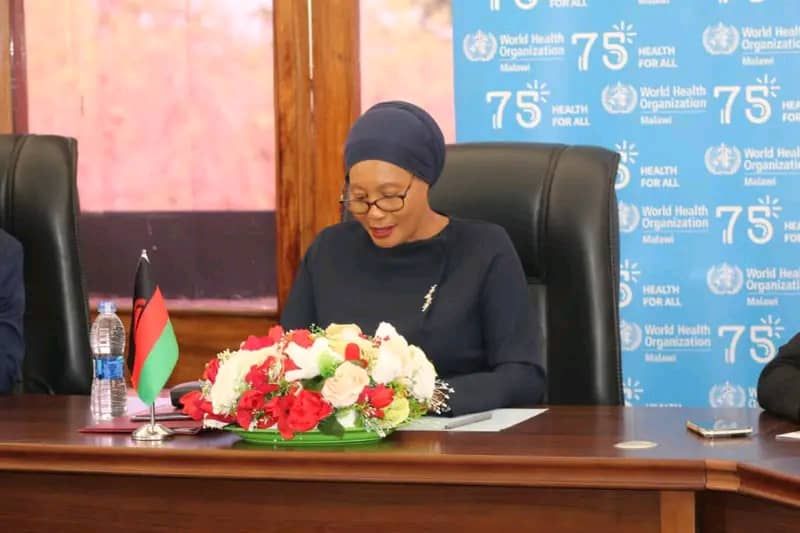
Deputy Minister of Health Halima Daud has emphasized that even the healthiest employees can face physical and mental health challenges if they work in unhealthy environments. She made these remarks in Lilongwe ahead of the 2024 World Mental Health Day (WMHD), which will be observed tomorrow.

This year’s global theme is “It Is Time to Prioritize Mental Health in the Workplace.” Malawi will celebrate the day under a modified theme, “It is Time to Prioritize Mental Health in the Workplace: Healthy Workforce is the Best Workforce.”

Halima Daud

Daud highlighted that prioritizing mental health in the workplace is crucial for creating a productive and supportive environment. She stated that when employers focus on mental well-being, it leads to reduced stress, lower absenteeism, and increased employee engagement.

World Health Organization (WHO) Representative Neema Kimambo added that workplace stress can stem from various factors, including discrimination, inequality, poor working conditions, underpayment, harassment, bullying, and lack of control. Addressing these issues, she noted, is key to safeguarding mental health in the workplace.

As Malawi joins the global community in commemorating this day, both Daud and Kimambo stressed the importance of taking action to create healthier, more supportive workplaces.

Malawi National Commission for UNESCO launches repository of folktales and traditional songs

0

By Burnett Munthali

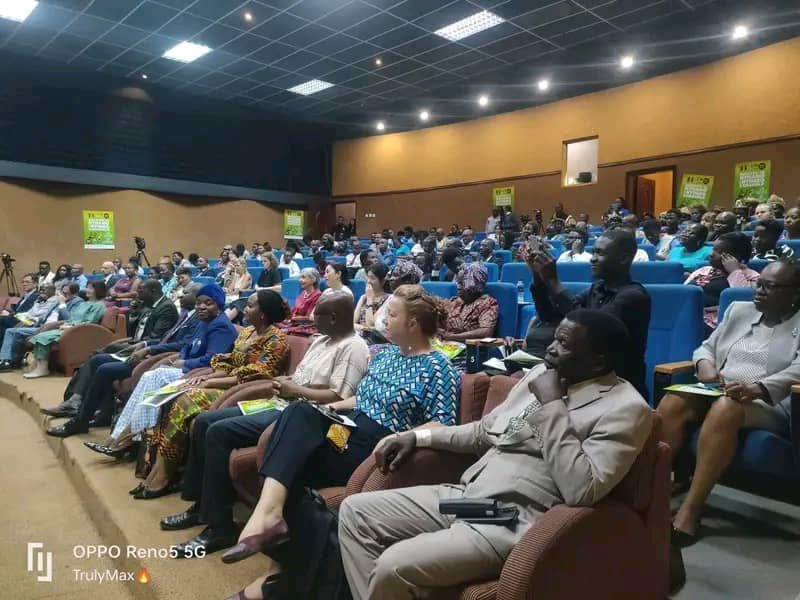
The Malawi National Commission for UNESCO, in collaboration with other stakeholders from the eastern region, has officially launched a digital repository of folktales and traditional songs. The event is being held at Crossroads Hotel in Lilongwe.

This repository features a collection of video-recorded folktales and traditional songs, stored digitally, with the aim of preserving Malawi’s cultural heritage for future generations. The initiative seeks to prevent these stories and songs from fading into obscurity, ensuring that they remain a vital part of the nation’s identity.


The guest of honor at the event is Dr. Lovemore Mazibuko, a prominent cultural figure, alongside Q Malawezi, President Lazarus Chakwera’s advisor on arts and culture. Both dignitaries are present to witness the significant launch.

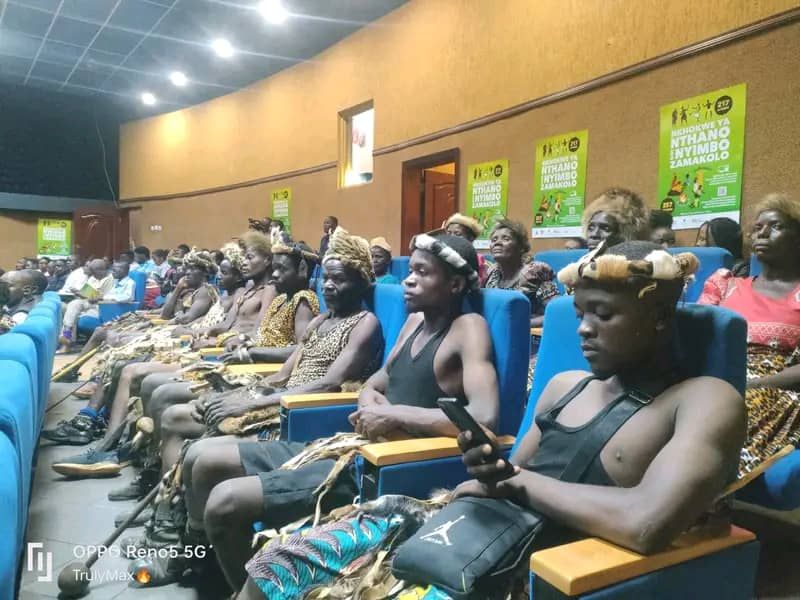
The event is being graced by various artists, including musician Temwah, the Music Crossroads Band, and a group of Ngoni performers from Mchinji. Storytellers and traditional performers are also entertaining attendees, making it a vibrant celebration of Malawi’s rich cultural legacy.

MEC urges master trainers to uphold integrity and professionalism in electoral processes

0

By Burnett Munthali

The Malawi Electoral Commission (MEC) has called on Master Trainers to execute their roles with the highest level of integrity and professionalism during the country’s electoral processes. This message was emphasized by MEC Central Regional Elections Manager, Esimy Chisepeya, during a Master Trainers workshop held in Mponela, Dowa district.

Chisepeya highlighted the importance of elections, noting that such a crucial task requires individuals of impeccable integrity. “Elections are sensitive and require responsible handling. Negligence or lack of maturity can seriously compromise the entire process,” she said, stressing that it is essential for trainers to maintain the highest standards of conduct, even in situations where supervision is limited.


She further added that MEC is committed to ensuring fair and transparent elections and that this is only possible if every individual involved upholds their responsibilities with seriousness and dedication.

One of the Master Trainers, Febby Kagwamminga, echoed this commitment, vowing to carry out their duties impartially and to ensure that citizens’ rights to freely choose their leaders are protected. Kagwamminga emphasized that the integrity of the election process is paramount to strengthening democracy in Malawi.

The workshop aims to prepare Master Trainers who will, in turn, train others involved in the election process, ensuring that the upcoming elections are conducted efficiently and transparently.