


By Rahim Abdul
Malawi’s Parliament has approved a set of amendments to the country’s taxation laws, marking a significant shift in how the government collects revenue, particularly from the housing, mining and insurance sectors.
The newly passed Taxation Amendment Bill introduces a 15 percent rental income tax, a move authorities believe will help broaden the tax base and increase domestic revenue collection.
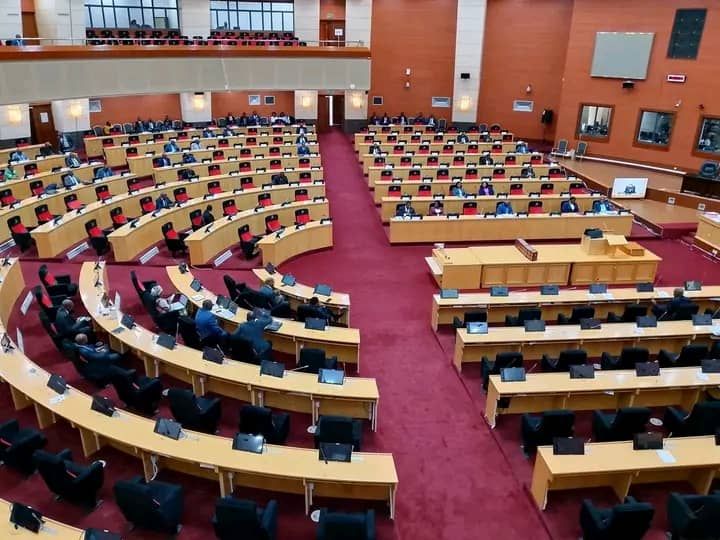
Presenting the bill in the House, Minister of Finance Joseph Mwanamveka said the changes are part of broader efforts to strengthen the country’s fiscal position and ensure consistent revenue inflows.
One of the key highlights in the amendments is the restructuring of mineral royalties, where payments will now be made monthly instead of quarterly, a change expected to improve government cash flow.
The bill also grants the Malawi Revenue Authority (MRA) powers to collect a 3 percent tax from motor vehicle insurance, further expanding the scope of taxable services.
While the government has defended the measures as necessary, some lawmakers have expressed concern over the potential impact on ordinary citizens.
Speaking on behalf of the Malawi Congress Party (MCP), Lawrence Chaziya said although his party supports the bill, there is a need to reconsider the 15 percent rental tax.
Chaziya argued that the rental tax could place an added burden on many Malawians, especially those already struggling with the rising cost of living.
On his part, UTM legislator Felix Njawala emphasized the importance of public awareness, saying citizens must be fully informed about the new tax measures.
Njawala noted that without proper communication, the reforms risk being misunderstood or resisted by the public.
In response, Mwanamveka maintained that most of the proposed taxes were already outlined during the presentation of the 2025/2026 national budget, suggesting that the changes should not come as a surprise.
As Malawi moves to implement the new measures, the debate now shifts to how the government will balance revenue generation with protecting citizens from additional financial pressure.