


By Burnett Munthali
Rita Marley, the widow of reggae legend Bob Marley, has built a lasting connection with Ghana, where her life has come to represent a meeting point between Jamaican musical heritage, African identity and charitable work.
According to reporting by Face2Face Africa, a New York-based digital media platform covering African and Black diaspora news and culture, alongside information published by the Rita Marley Foundation and Jamaica’s Jamaica Observer, Rita Marley relocated to Ghana in the 1990s, received Ghanaian citizenship in 2013 and became involved in charitable initiatives supporting education, health, nutrition and community development.
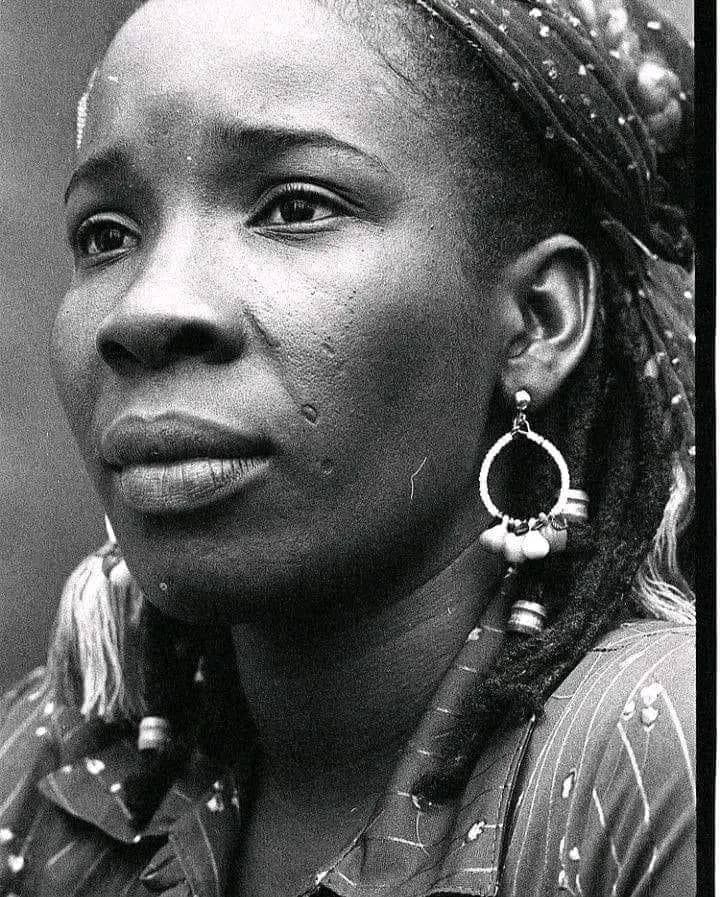
Known in Ghana by the traditional name Nana Afua Abodea, Rita has become associated with a broader story of African reconnection, cultural belonging and the enduring influence of reggae music beyond the Caribbean.
Her journey reflects a decision to make Ghana more than a place to visit, embracing it as a home and a base for cultural and philanthropic activities.
Her relationship with Ghana has also extended beyond cultural symbolism into practical community development, particularly in Konkonuru, a community near Aburi where her charitable initiatives have supported local residents.
From The Soulettes to International Reggae Recognition
Born in Cuba and raised in Jamaica, Rita began her musical journey in the early 1960s as a vocalist with The Soulettes, an all-female singing group that performed alongside established artists, including the Four Tops and Johnny Nash.
Her career later expanded through her work with the I-Threes, the vocal trio featuring Marcia Griffiths and Judy Mowatt that provided backing vocals for Bob Marley and the Wailers.
Although her association with Bob Marley brought her international recognition, Rita also developed her own musical identity through solo recordings and performances.
One of her best-known solo releases, “One Draw,” became an international success in the early 1980s, attracting attention for its references to cannabis culture and facing restrictions from Jamaican broadcasters.
The song reached number 48 on the US Billboard Disco chart in 1982, according to the Jamaica Observer, establishing a notable milestone in her solo career without reaching the chart’s top position.
Her wider catalogue includes songs such as “Harambe,” “Lion and the Lamb” and “Thank You Jah,” reflecting her continued engagement with reggae’s cultural and spiritual traditions.
A Ghanaian Name Rooted in Community Service
Rita’s connection to Ghana was formally recognised in 2013 when she received Ghanaian citizenship and a Ghanaian passport in recognition of her contributions to the country.
Her traditional name, Nana Afua Abodea, is associated with the title “Queen of Development,” bestowed on her by the Konkonuru community in recognition of her community-oriented work.
Her initiatives have included support for local schools, educational scholarships, school meals, access to clean water and improvements to community infrastructure.
In 2000, she established the Alpha and Omega Home for the Aged in Ghana, an initiative that continues to receive support through her foundation.
These activities illustrate how her connection to Ghana has been expressed through community support alongside her musical and cultural work.
The Rita Marley Foundation: Music Meets Humanitarian Work
The Rita Marley Foundation works to alleviate poverty and hunger while expanding educational opportunities, improving health and nutrition, and empowering women and disadvantaged communities.
Its programmes have included educational support for young people, scholarships for women, assistance for young mothers and initiatives supporting elderly residents in Ghana.
The foundation also promotes cultural exchange between Ghana and Jamaica, including a student pen-pal programme designed to help children learn about each other’s cultures and strengthen communication skills.
The organisation describes its mission as working towards “the alleviation of poverty for peoples of developing and less developed countries,” with community empowerment, education and healthcare among its priorities.
Its work demonstrates how Rita’s public legacy extends beyond entertainment into education, social welfare and community development.
Preserving Bob Marley’s Musical Legacy
Rita has also played a significant role in preserving and developing the musical legacy of her late husband, including through her leadership in the Marley family’s music and business interests.
In Jamaica, she transformed Bob Marley’s former home at 56 Hope Road in Kingston into the Bob Marley Museum in 1986, preserving personal memorabilia and historical material associated with the reggae icon.
She also helped develop Tuff Gong International, the Marley family’s recording and music business, which has become an important part of Jamaica’s recording and distribution industry.
Her work in Ghana included a Tuff Gong studio project in Aburi, although reports published in 2010 said the facility was destroyed by fire before its planned commissioning.
This distinction matters because Tuff Gong International’s principal recording facilities are in Kingston, Jamaica, rather than at a studio called Studio One in Ghana.
A Legacy Beyond the Marley Name
Rita Marley’s story brings together several dimensions of cultural influence: a career as a singer, a central role in preserving one of reggae’s most recognisable musical legacies, a formal connection to Ghana and sustained philanthropic work.
Her own description of reggae captures the wider cultural reach of the genre.
“Reggae is the heartbeat of a person,” she said in a statement reproduced by the Rita Marley Foundation, adding that it is “the people’s music.”
The sentiment reflects a musical tradition that has travelled far beyond Jamaica, connecting audiences through messages of identity, spirituality, social justice and solidarity.
Through her music, charitable initiatives and cultural contributions, Rita Marley has established a public legacy that extends beyond her marriage to Bob Marley and continues to connect Jamaican heritage with communities across Africa and the wider world.