


By Durell Namasani
Just ten months into its return to power, the DPP government is in complete disarray — not from political opposition, but from uncontrolled thieving that has now reached dizzying new heights. First came the Amaryllis Hotel scandal. Now comes NOCMA.
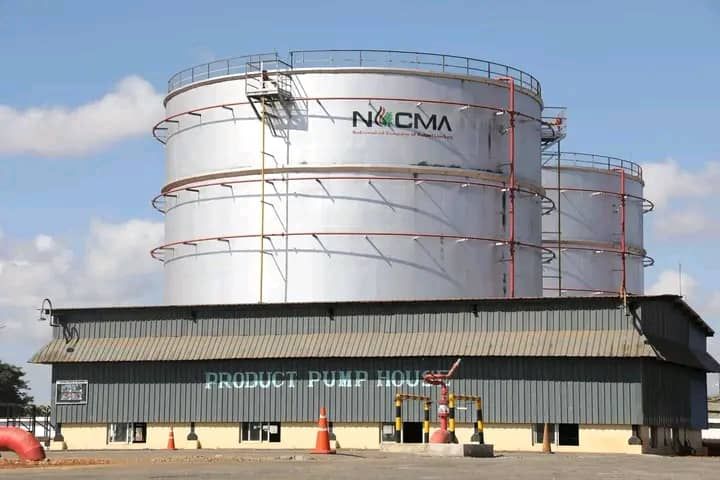
The National Oil Company of Malawi (NOCMA) has been left red-faced after cyber-criminals tricked the state fuel importer into wiring $403,605 (about K700 million) straight into a fraudulent account — in what insiders are calling one of the most embarrassing digital heists in Malawi’s public sector.
According to NOCMA, the scammers impersonated Mozhandling Limited, a Mozambican firm responsible for handling fuel shipments through the Port of Nacala. The fraudsters intercepted official emails, forged banking documents, and coolly informed NOCMA that the company had “opened a new account” with Bank of America. Believing the communication was genuine, NOCMA instructed the National Bank of Malawi on April 29, 2026 to transfer the funds unknowingly sending the money directly into the hands of criminals.
The scam only came to light two weeks later, when the real Mozhandling contacted NOCMA demanding payment.
But let us not be naive. Let us not believe these are merely “bogus suppliers” or distant “scammers.” This could very well be systematic theft by those within. NOCMA management has admitted that the financial breach was made possible by loopholes created during the chaotic rollout of the Government-to-Government (G2G) fuel procurement model, which was introduced before proper cybersecurity and operational systems were in place. For an institution handling millions of dollars in public funds, relying on altered email communication without independently verifying banking details raises serious questions about whether this was incompetence — or collusion.
This comes hot on the heels of the Amaryllis Hotel scandal — a K128 billion transaction involving the Public Service Pension Trust Fund’s acquisition of the Blantyre hotel. Months after the transaction triggered public outcry, a parliamentary inquiry and the freezing of bank accounts, no arrests have been made and no funds have been recovered. The 90-day freeze on the accounts has elapsed, and the accounts are reportedly active again — with additional withdrawals made.
Parliament has now risen without ever receiving a report into the scandal-hit deal. The probe is effectively “dead in the water.”
In the Amaryllis case, the money trail is clear. Individuals allegedly withdrew billions — Charles Gibson Nankhuni: MK3.5 billion; Mark Kaliati: MK832 million; and others. Despite this apparent clarity, there has been no public disclosure of the destination of the funds, the identities of accomplices, or the status of investigative steps. Political activist Bon Kalindo has already said Malawians should expect no arrest from the Amaryllis Hotel sale, adding that if the matter involved poor people, all would have been in prison by now.
Senior government officials, including figures from State House, the Anti-Corruption Bureau and other public institutions, have been publicly linked to the wider controversy. The absence of visible progress has fuelled concerns that the window for recovering funds is narrowing.
Malawi is heading for disaster. The pattern is unmistakable: billions vanish, inquiries are launched, reports are buried, and no one is held accountable. Pensioners continue to face delays in accessing their retirement benefits, while those suspected of involvement risk continuing to benefit from alleged financial misconduct.
For many Malawians, the silence is increasingly interpreted as a sign that politically connected individuals may escape accountability leaving the country to absorb yet another unresolved financial scandal. The DPP government promised change. Ten months in, all we have are more scams, more silence, and a nation hurtling toward catastrophe.