By Burnett Munthali
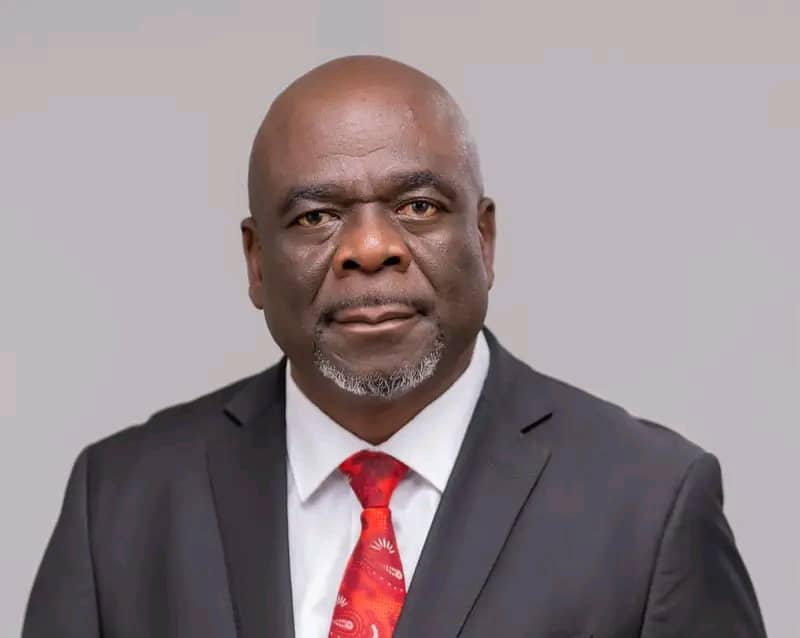
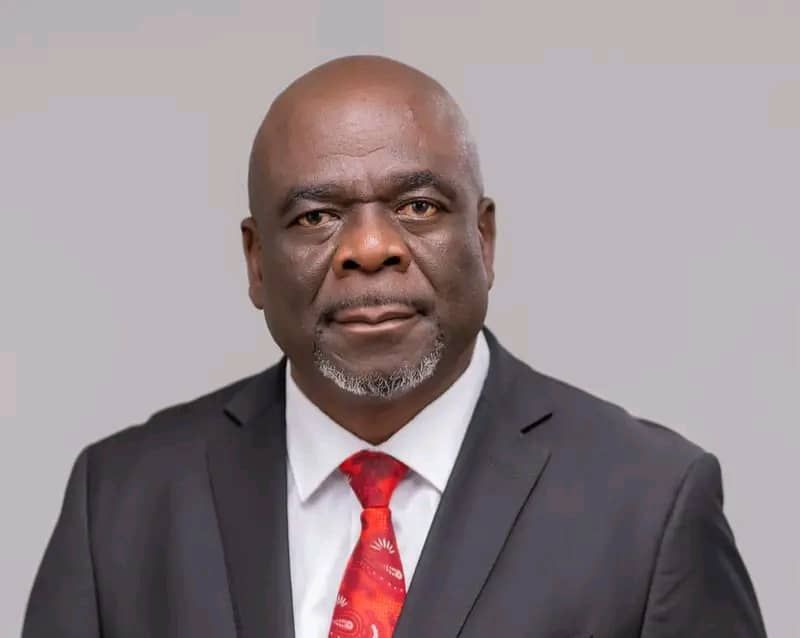
Fresh tremors are rippling through the United Transformation Movement (UTM) following the abrupt removal of one of its regional governors, a decision that insiders say is tied to suspicions of allegiance to Engineer Newton Kambala.
The dismissal, sanctioned on Sunday, is widely being interpreted as more than a routine disciplinary action.
Within party circles, it is viewed as part of a broader strategy to contain and neutralise emerging centres of influence that are seen as misaligned with the current power core of the movement.
At the heart of the tension lies a growing debate over the future direction of UTM and who should define it.
Well-placed sources reveal that senior figures are considering a symbolic but highly contentious move: redesigning party regalia to replace the image of the late Dr. Saulos Chilima with that of UTM president Dr. Dalitso Kabambe.
The proposed change is reportedly intended to signal a new era and consolidate Kabambe’s authority ahead of future political contests.
That plan, however, has ignited quiet but firm resistance from sections of the party faithful who regard Dr. Chilima as the ideological and emotional foundation of UTM.
For these supporters, removing his image is not merely a branding exercise but an attempt to dilute or sideline the legacy of the party’s founding figure.
The controversy becomes even sharper when viewed against the practices of Malawi’s older political formations.
Both the Democratic Progressive Party (DPP) and the Malawi Congress Party (MCP) have continued to honour their historic leaders—Professor Bingu wa Mutharika and Dr. Hastings Kamuzu Banda—by prominently featuring them on party materials.
To many observers, this continuity has helped preserve party identity and cohesion rather than weaken it.
Political analysts critical of UTM’s internal manoeuvres warn that cosmetic changes alone do not translate into electoral success.
They argue that voters are more persuaded by clear policy alternatives, credible leadership, and a track record of principled governance than by alterations to party symbols.
The current friction did not arise overnight.
It traces back to earlier controversies, including accusations that Engineer Kambala attended the DPP’s swearing-in ceremony of former president Professor Arthur Peter Mutharika—an event that was also attended by Dr. Kabambe himself.
That episode deepened suspicions and hardened factions within UTM, setting the stage for the present standoff.
Insiders now suggest that Kambala’s continued visibility within the party complicates efforts to roll out the proposed changes, particularly because of his perceived loyalty to Dr. Chilima’s political vision.
His presence at UTM gatherings is said to energise supporters who oppose any move seen as rewriting the party’s history.
As UTM navigates this delicate phase, the unfolding developments point to a party grappling not only with leadership ambitions but also with fundamental questions about its identity, heritage, and path to relevance in Malawi’s competitive political landscape.