By Burnett Munthali
Malawi has recorded a significant improvement in its electoral integrity rating, rising to sixth position in Africa as experts point to administrative reforms and stronger electoral management as key factors behind the progress.
The latest assessment by the Electoral Integrity Project gives Malawi a Perception of Electoral Integrity (PEI) score of 69, up from 54 in 2021 and 38 in 2019, according to local media reports. Cape Verde remains Africa’s highest-ranked country with a score of 77, while New Zealand leads the global ranking at 89.
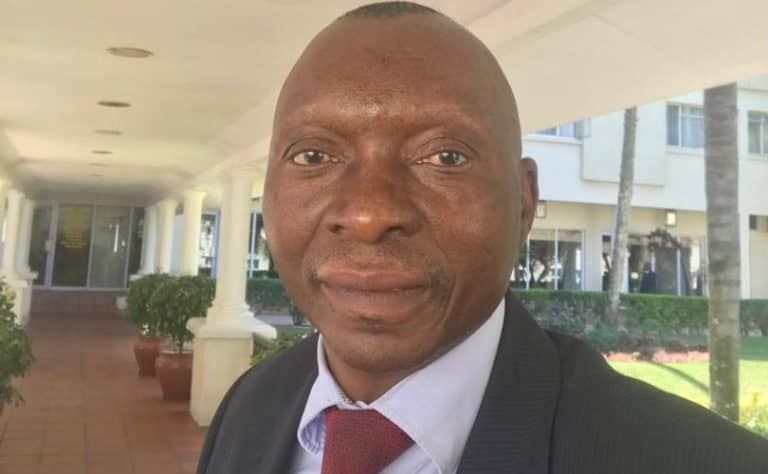
Political expert Ernest Thindwa said electoral integrity goes beyond the actual voting day and covers the entire electoral cycle, including preparations, campaigning, polling, vote counting and the handling of election disputes.
He said a credible electoral system should guarantee citizens equal opportunities to vote and contest elections, protect the secrecy of the ballot, provide access to electoral information and ensure that election administration operates fairly and independently.
The assessment considers a broad range of factors, including electoral legislation, constituency boundaries, voter registration, political party registration, media coverage, campaign financing, voting, counting, announcement of results and the performance of electoral authorities.
Thindwa attributed Malawi’s improved standing partly to gradual reforms introduced by the Malawi Electoral Commission (MEC), including early publication of the electoral calendar and increased engagement with political parties and other stakeholders.
He also highlighted the use of multiple mechanisms for transmitting election results, the distribution of result copies to political parties and candidates, and the public display of results at polling centres.
According to Thindwa, the quality of MEC leadership between 2020 and 2025 also contributed to greater confidence in electoral processes and their outcomes.
Despite the improvement, he warned that Malawi must protect the independence of institutions involved in elections and governance. These include the MEC, Malawi Police Service, Malawi Communications Regulatory Authority, Malawi Broadcasting Corporation and the Office of the Registrar of Political Parties.
He proposed the creation of an independent appointments body responsible for selecting senior officials in key public institutions, including the MEC, police, judiciary, political parties’ regulatory structures and anti-corruption authorities.
Under the proposed model, senior officials would serve fixed, renewable terms and be accountable to Parliament, a system Thindwa said could strengthen institutional independence.
He further called for tighter enforcement of laws governing political party financing and the prohibition of electoral handouts.
The latest ranking represents a notable improvement for Malawi, but the expert assessment suggests that maintaining the momentum will depend on strengthening institutions, protecting their independence and ensuring that electoral rules are applied consistently across the political spectrum.