By Linda Kwanjana
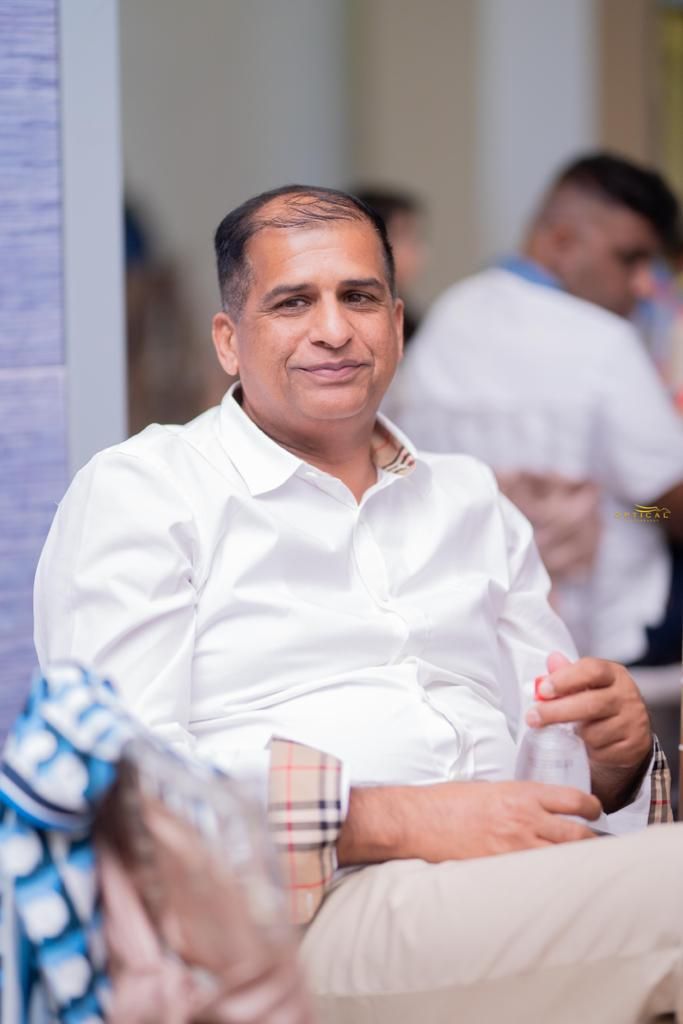
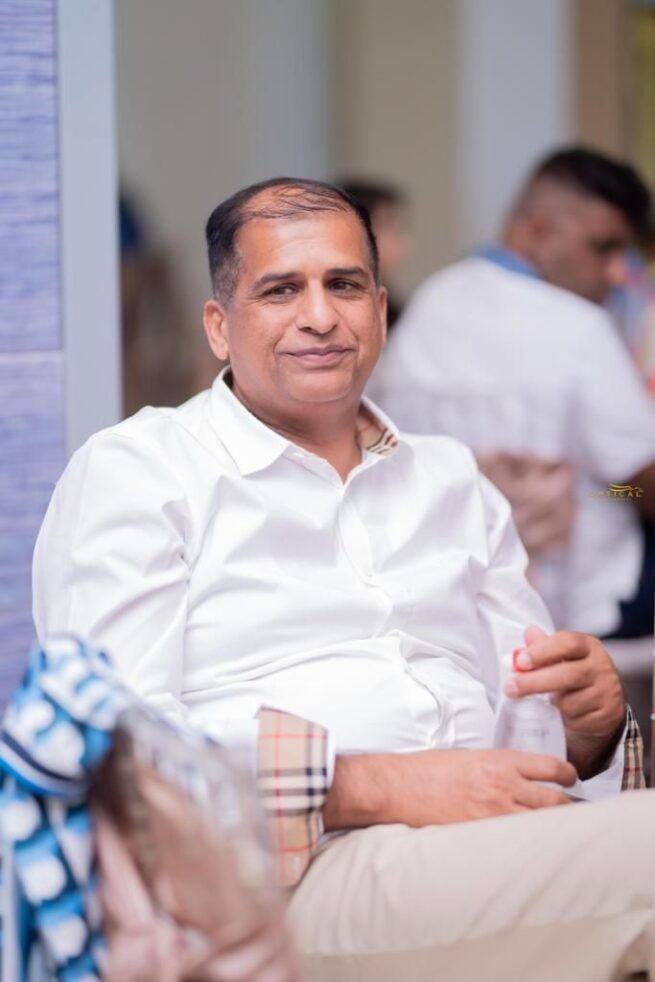
Blantyre businessman Chaudhry Azhar Mahmood has launched an attack on the media and civil society organisations, accusing them of working under the influence of a whistleblower who exposed his alleged fraudulent dealings.
Instead of addressing the serious charges hanging over his head, Chaudhry has sought to discredit journalists and human rights activists, claiming they are plotting to damage his reputation. He has claimed this in a sworn statement he has filed in court in an attempt to set aside two separate warrants of arrest against him and his wife, Neelam Azhar Mahmood.
Human rights activist Kusaye Ngoleka has strongly condemned Chaudhry’s actions, saying: “The media and civil society have a constitutional right to operate freely in Malawi. Mr. Chaudhry must defend himself against the alleged crimes before the courts, not muzzle the press or attempt to close civic space.
“He has no right to silence free speech or undermine the freedoms guaranteed by our Constitution.”
Malawi’s Constitution is clear: Section 35 guarantees freedom of expression, including press freedom, Section 32 protects the right to association, the foundation for NGOs and civil society groups, and Section 38 enshrines the right to peaceful assembly and demonstration.
These rights were further reinforced in July 2025, when the Constitutional Court struck down criminal defamation laws, ruling they were incompatible with Malawi’s international human rights obligations.
Chaudhry’s attacks on the media come as he faces mounting legal troubles. The Limbe Magistrate’s Court issued a warrant of arrest against him on July 16, 2026 (Case No. 469) for alleged fraudulent acquisition of Malawian citizenship, false statements to public officers, and misrepresentation of diplomatic status.
Court documents allege that between 2001 and 2004, Chaudhry knowingly made false statements to the Department of Immigration and the Ministry of Home Affairs to secure citizenship.
He is also accused of falsely presenting himself as a consular officer of Pakistan between 2018 and 2022, misleading multiple government agencies into granting him diplomatic privileges such as tax exemptions and consular vehicle registration. Malawi’s Ministry of Foreign Affairs clarified in a letter in 2022 that he was not a diplomat.
Just days earlier, on July 14, 2026, the same court issued another warrant (Case No. 465) for his wife, Neelam Azhar Mahmood, accusing her of falsely declaring herself a Malawian citizen in an application to the Land Registrar. The application sought consent to transfer Title Number Blantyre East 15, despite laws prohibiting non-citizens from acquiring land in Malawi.
Civil society organisations have long demanded government action against the couple, citing abuse of diplomatic symbols and privileges. If convicted, Chaudhry could face imprisonment and revocation of his citizenship under the Malawi Citizenship Act and the Penal Code.
Chaudhry’s attempt to shift blame onto whistleblowers, journalists, and activists is seen as a direct assault on Malawi’s democratic values. The Constitution guarantees press freedom and civic space, and any effort to undermine these rights threatens the country’s commitment to transparency and accountability.
Ngoleka emphasised, “This is not the era for silencing voices. Malawi has moved beyond criminal defamation, and our courts have affirmed that free speech is a cornerstone of democracy. Mr. Chaudhry must account for his alleged crimes in court, not in the court of intimidation.”
Another activist, Aubrey Lusolina, said authorities needed to act fast on the couple or the activists would be left with no choice but to go on the street and demonstrate. He said the crimes alleged to have been committed are serious.
He said it is an insult for Chaudhry, originally from Pakistan, to attempt closing the civic space.