


By Durell Namasani
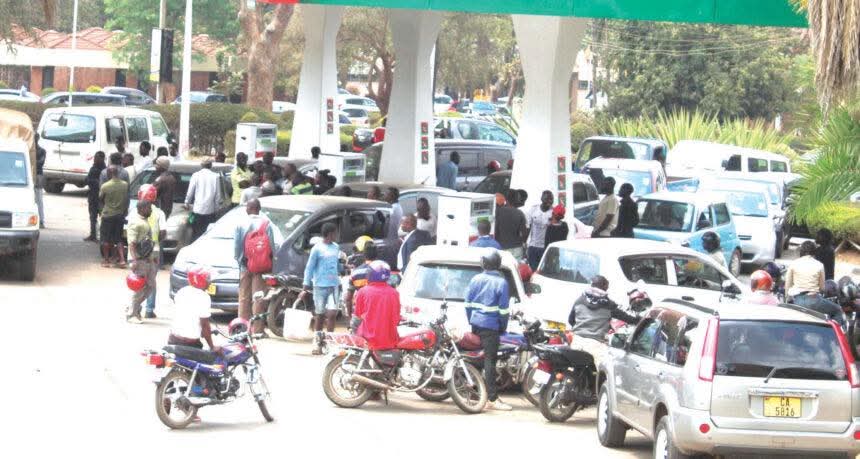
For millions of Malawians, darkness and dry fuel pumps are not mere inconveniences. They are the political signature of the Democratic Progressive Party (DPP). Every time this party assumes the reins of power, the nation braces for twin crises: crippling fuel shortages and endless electricity blackouts. And once again, as the DPP flexes its political muscle, these familiar ghosts have returned.
History is the cruelest witness. During the late Bingu wa Mutharika’s administration, Malawians endured agonizing queues at filling stations that stretched for kilometers. Business ground to a halt, and hospitals ran generators on fumes. It was only when President Joyce Banda took over that the crisis was swiftly resolved—her administration secured emergency fuel supplies and restored order, proving the chaos was never inevitable.
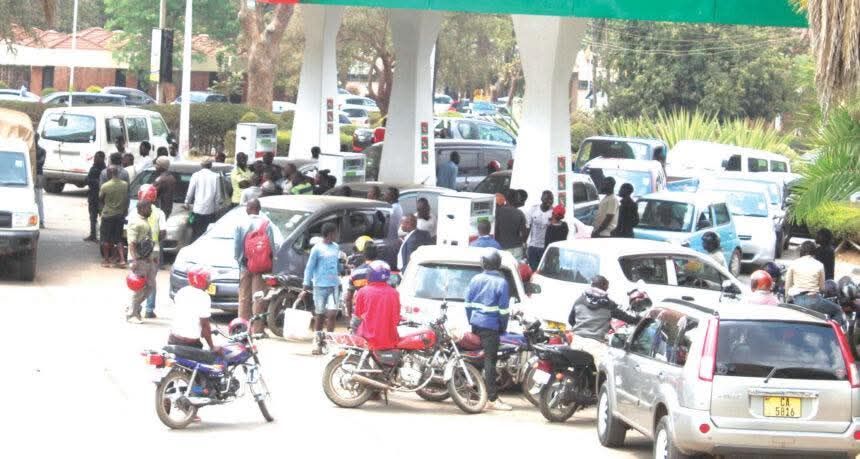
Then came Peter Mutharika’s first term. Within months, the same script unfolded. Fuel pumps ran dry. The state-owned Malawi Energy Regulatory Authority fumbled, and foreign exchange reserves tanked. The DPP’s answer? Blame global prices and saboteurs. But Malawians remembered how Joyce Banda had fixed it without magic—just competence.
Parallel to fuel, electricity blackouts became a DPP hallmark. During Peter Mutharika’s first term, load-shedding was normalized. Manufacturers closed shops. Students studied by candlelight. The Electricity Supply Corporation of Malawi (ESCOM) became a punchline. When the DPP lost power in 2020, the blackouts did not vanish overnight, but they eased—investments in solar and repairs gained traction.
Now, with the DPP back in opposition but still a dominant force shaping policy anxiety, the crises have returned with a vengeance. Since late 2024, fuel queues have snaked across Lilongwe, Blantyre, and Mzuzu. Blackouts have jumped from 4 hours to 12 hours daily. The current administration struggles, but the political question is unavoidable: why do these two specific plagues always bloom under DPP influence?
The answer lies in governance DNA. The DPP has repeatedly shown an inability to secure forex for fuel imports and a refusal to reform ESCOM’s rotting infrastructure. Instead, they offer excuses and political maneuvers.
Fuel crisis and blackouts are not accidents. They are the DPP’s brand. Until the party confronts its own track record, Malawians will keep lighting candles and pushing empty cars—waiting for a leadership that turns the lights on and keeps the pumps flowing. The signature is clear. And it is unforgivable.