


By Burnett Munthali
The Malawi Government has begun moves to release delayed Constituency Development Fund (CDF) resources, directing local government authorities to submit detailed cash-flow requirements for projects that have progressed through the procurement process.
The directive, issued by National Local Government Finance Committee (NLGFC) Executive Director Kondwani Santhe in a letter dated August 20, 2026, requires councils to submit funding requirements based on signed contracts or evaluated amounts for CDF projects.
The submissions are expected to cover contracts that councils anticipate entering into between August and October, while requirements for projects at later stages will be submitted when the relevant councils are ready.
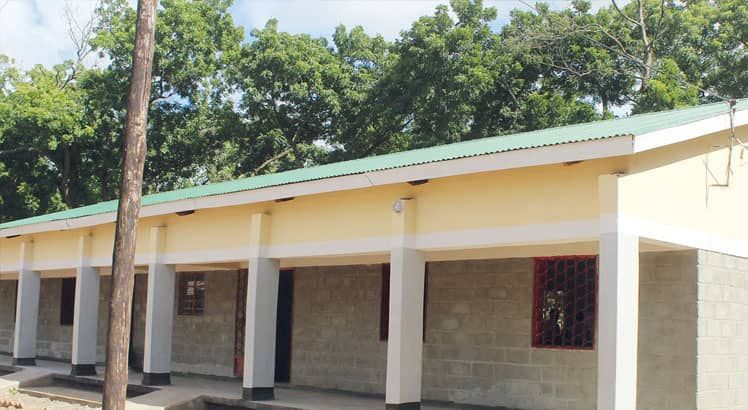
Councils were also instructed to include certificates for work already completed or expected to become due during the same period.
The directive comes five months into the 2026/27 financial year and signals a move towards releasing the annual K5 billion CDF allocation for each constituency, which has faced delays in implementation.
Local Government and Rural Development Minister Ben Phiri has outlined an eight-stage process governing the release and use of CDF resources. The process begins with the annual allocation and identification of community priorities before projects undergo technical assessment, procurement and contract award.
Once a contractor has been selected and the necessary procedures completed, the process moves to advance payments to enable construction to begin. Subsequent payments are made after work has been completed, inspected and certified.
The latest NLGFC directive suggests that councils with projects that have reached the required stage can now begin seeking the financial resources needed to move into implementation.
However, the government’s approach has raised questions about whether local councils have sufficient resources and administrative capacity to manage the expanded CDF programme effectively.
Malawi Local Government Association (Malga) Executive Director Hardrod Mkandawire said the demand-driven approach could improve efficiency, public financial management and democratic accountability at local level.
He cautioned, however, that prolonged delays in releasing funds could expose councils to legal disputes with contractors who may not receive payments on time.
Mkandawire also questioned whether the new financing approach sufficiently recognises councils as development institutions operating under Malawi’s decentralisation framework.
He argued that the policy shift should have been preceded by wider consultations between central government and local authorities to identify potential implementation problems.
Civil society organisations have also raised concerns about the government’s ability to sustain the enlarged CDF allocation amid limited public resources.
Catholic Commission for Justice and Peace (CCJP) Desk Officer for Karonga Diocese Cuthbert Mkandawire said government should reconsider the size of the allocation if available resources cannot support it.
He called for councils to be allowed to revise their development plans in line with realistic funding levels and urged government to ensure that approved resources are released to councils quarterly and without unnecessary delays.
Parliament approved K1.25 trillion for local councils under the K10.9 trillion 2026/27 National Budget. Of this amount, approximately K1.145 trillion was allocated to development programmes, including CDF, while K109.3 billion was earmarked for Other Recurrent Transactions.
However, only about four percent of the development allocation had been released by the time of the latest assessment, compared with 56 percent of the ORT allocation.
The figures have fuelled concerns over the pace at which development resources are reaching councils, particularly as CDF has effectively taken over several other development financing windows, including the District Development Fund, Water Resources Fund, Infrastructure Development Fund and Hospital Rehabilitation Fund.
The Centre for Social Transparency and Accountability has previously warned that prolonged delays in CDF disbursements could create public perceptions that government is withholding the money because the resources are unavailable.
The latest directive from NLGFC therefore represents an important step towards getting stalled projects moving, but its success will ultimately depend on whether councils receive the funds promptly after meeting the required administrative, technical and procurement conditions.
For communities waiting for classrooms, health facilities, roads, water infrastructure and other local projects, the immediate test will be whether the new cash-flow process translates into contractors returning to construction sites and completing projects that have remained delayed.