


By Burnett Munthali
The Malawi Government has promoted 310 senior civil servants since October 2025 in an effort to address leadership vacancies across ministries, departments and agencies and strengthen the delivery of public services.
The promotions have elevated 127 officers to director positions in Grade C, while another 183 have moved to deputy director positions in Grade D.
Chief Secretary to the Government Justin Saidi confirmed the appointments, describing them as part of a deliberate effort to encourage career progression, recognise professional merit and preserve institutional experience within the public service.
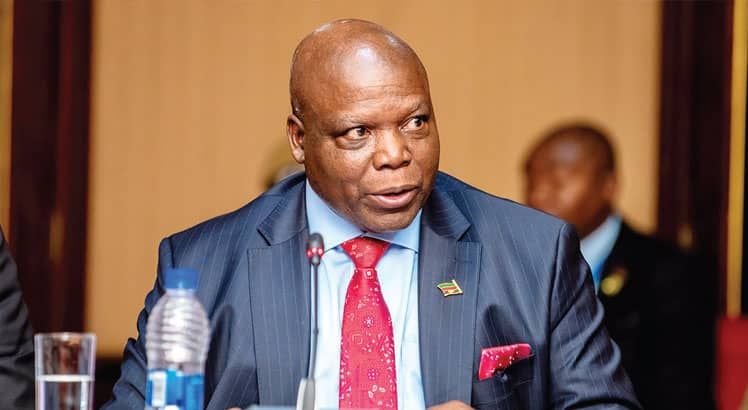
Saidi said the government was prioritising the advancement of career civil servants rather than relying heavily on external political appointments. He said promotions should be based on qualifications, experience, commitment and discipline rather than political affiliation.
“The overriding objective is to enhance public service delivery by creating a professional workforce where everyone—regardless of political affiliation or background—can rise on the basis of qualifications, experience, dedication to work and discipline,” Saidi said.
He added that promoting experienced officers into positions of greater responsibility would help government translate its leadership vision into practical results and create a more effective public service.
However, the promotions have attracted scrutiny from civil society organisations, which are questioning the timing, cost and transparency of the process.
Centre for Social Accountability and Transparency executive director Willy Kambwandira called on government to demonstrate that all the promotions were conducted through a transparent and competitive merit-based process.
He said Malawi’s history of politically influenced appointments meant that the latest promotions should not simply be accepted without adequate evidence that professional standards were followed.
Kambwandira also questioned the financial implications of expanding senior positions at a time when the country is facing significant economic difficulties.
The promotions follow a July 3, 2026 circular issued by Saidi that lifted a nine-month restriction on recruitment and promotions. The waiver allows ministries, departments and agencies to fill positions that had already been provided for in their budgets under Section 5(2) of the Public Service Act.
The government had introduced the recruitment and promotion restriction in November 2025 as part of measures aimed at controlling public expenditure.
Civil society organisations have previously asked Treasury to disclose the amount saved during the period of the recruitment freeze.
The issue of career progression has also been raised by public-sector unions. In June, the Federation of Civil Service Unions warned government about promotion backlogs, unpaid salary arrears and increasing pressure on workers across the public service.
Governance commentator Mabvuto Bamusi cautioned that efforts to improve morale among senior officials should not come at the expense of employees in lower grades who continue to face their own employment and welfare challenges.
Malawi’s public service continues to experience staffing shortages, particularly in critical areas such as healthcare and local government. The shortages have been linked to financial pressures associated with the public-sector wage bill, previous recruitment restrictions and persistent vacancies.
While recruitment and promotions are gradually resuming, questions remain over whether the government can simultaneously address leadership gaps, improve conditions for existing workers and maintain control over public expenditure.
The latest promotions therefore represent both an opportunity to strengthen institutional leadership and a test of government’s commitment to ensuring that career advancement within the public service is transparent, professional and based on demonstrable performance.