


By Rahim Abdul
Iran has announced fresh restrictions on movement through the Strait of Hormuz, declaring that all vessels must now seek approval before passing through the critical shipping lane, according to state broadcaster Islamic Republic of Iran Broadcasting (IRIB).
The move has immediately raised alarm across global markets and diplomatic circles as the narrow waterway is a vital artery for international trade particularly oil exports from the Gulf region.
The Strait of Hormuz handles nearly a fifth of the world’s oil supply, making any restriction whether partial or total a significant threat to global economic stability.
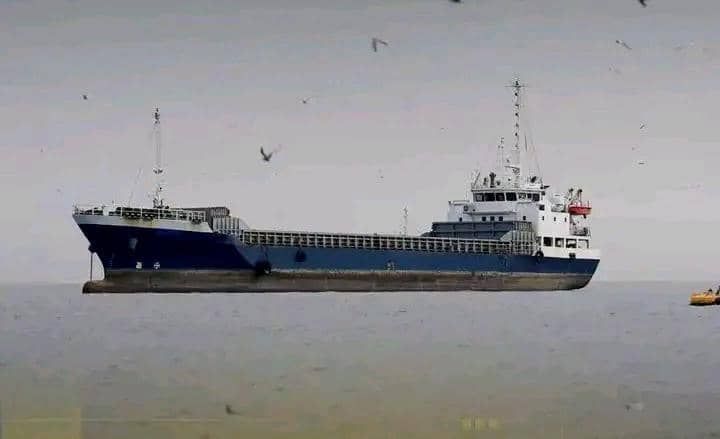
Shipping companies are now facing uncertainty with fears of delays, increased insurance costs and possible escalation in military presence.
Iran’s latest position suggests that the waterway is not fully closed, but under strict control effectively giving Tehran the power to regulate which ships pass and when.
The development comes amid ongoing tensions in the Middle East, involving Iran, the United States and Israel, with regional conflicts continuing to spill into strategic global corridors.
Economic experts warn that prolonged instability in the Strait could lead to rising fuel prices worldwide, affecting both developed and developing nations including countries in Africa that rely heavily on imported petroleum products.
Despite the strong rhetoric, observers note that such moves have become part of a broader pattern, where threats to the Strait of Hormuz are used as leverage in geopolitical negotiations.
The key question now remains how long the international community will continue to endure recurring disruptions tied to political and military rivalries.
For now, the world watches closely as one of the most important maritime routes remains under the shadow of uncertainty.