


By Vincent Gunde
Political activist Bon Kalindo says the Democratic Progressive Party (DPP) has failed to meet the expectations of many Malawians who voted for the party in the September 16, 2025 elections, hoping for changes in the country’s economic and governance systems.
In a video clip circulating online,Kalindo says many Malawians who voted for the DPP, as well as those who did not, are now regretting the decision to put what he describes as the wrong people into government.
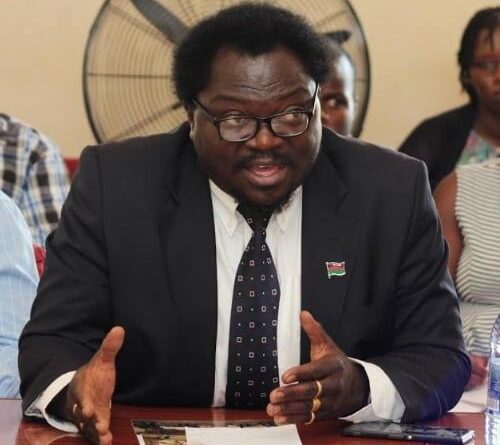
Kalindo:DPP has failed
He says had Malawians known that the DPP will follow the same path as the Malawi Congress Party (MCP), they would not have wasted their time replacing one government with another.
Kalindo alleges that within its first year in government, some DPP ministers have become billionaires overnight, while questioning the sources of their wealth as the country and its citizens continue to struggle economically.
Kalindo also questions the developments surrounding Speaker of Parliament Sameer Suleman’s establishment of joint parliamentary committees to investigate some public institutions over alleged corruption.
He says many Malawians expected the DPP government to support the investigations, but the Speaker has instead become the subject of a court injunction blocking the committees from proceeding with their work.
According to Kalindo, the development has contributed to public doubts about politicians and their commitment to accountability.
“These politicians are the same. They protect one another. The matter is in court and it will die a natural death,” says Kalindo.
Looking ahead to the 2030 elections, the activist has urged Malawians to demand tangible benefits from politicians before voting, saying poor people should no longer be taken for granted during election periods.
He says if politicians want the support of poor Malawians, they should give them their share in advance, arguing that wealthy people should otherwise vote for themselves.
Kalindo also refers to former President Lazarus Chakwera’s meetings with various groups at State House, where, according to him, people received K50,000 and free food.
He says such initiatives allowed people to receive what he describes as their share before the elections, but Malawians eventually voted Chakwera out of government.
Kalindo further describes Malawi’s political leaders as lacking concern for the country, arguing that the nation remains poor after 62 years of independence and 32 years of multiparty democracy while some politicians have accumulated substantial wealth.
He says politicians should put the interests of the country and ordinary Malawians ahead of personal wealth and political interests.