


By Durell Namasani
There is a moment in the life of a nation when the word “crisis” stops being a headline and becomes a condition. Malawi has passed that moment. What we are witnessing is not a temporary downturn or a bad budget cycle. It is the slow, grinding unravelling of a state that can no longer perform the most basic functions of governance: feeding its people, moving its goods, earning its keep, and answering to its citizens.
Start with the kitchen table. The cost of living has become a cruel joke. A family of six that needed roughly K694,000 a month in January 2025 now needs over K1 million . Inflation sits above 24 percent, and while food prices have eased slightly after harvest, non-food inflation transport, utilities, housing has surged past 33 percent . Fuel prices were hiked 35 percent in April . Every trip to the market is a negotiation with despair.
Then there is the fuel. Or rather, the absence of it. The country’s fuel reserves have been described by government’s own spokesperson as “completely dry” . The government is borrowing $120 million just to buy 120 million litres a stopgap, not a solution . The central bank has been selling gold reserves to keep a single month of fuel imports flowing . Drivers queue for days. Some have lived at filling stations for over a week . This is not an inconvenience. It is an economy seizing up in real time.
Behind the fuel queues sits the deeper rot: there is no foreign exchange. Reserves fell to $571.6 million in March, covering barely 2.3 months of imports . Tobacco, the country’s forex backbone, is collapsing. Earnings are down by hundreds of millions of dollars compared to last year, with average prices falling from $2.54 to $1.98 per kilogramme . Farmers are being rejected at auction at rates as high as 91 percent . The agricultural sector which employs nearly 60 percent of the workforce and generates 80 percent of export earnings is not just struggling. It is failing the people who feed the nation .
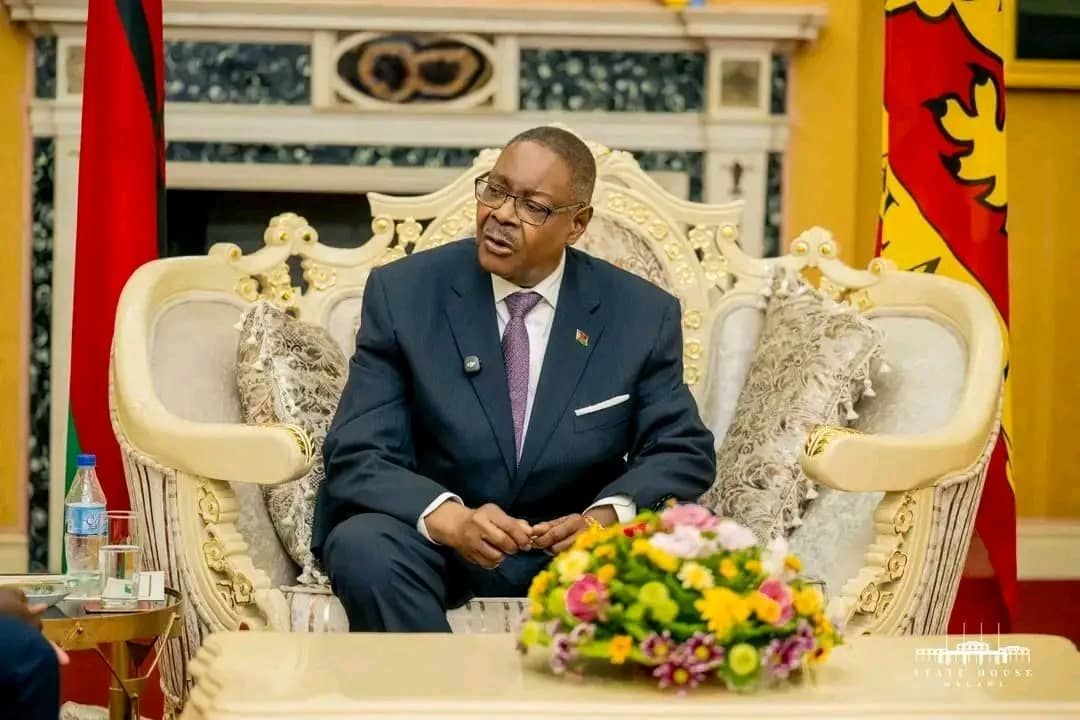
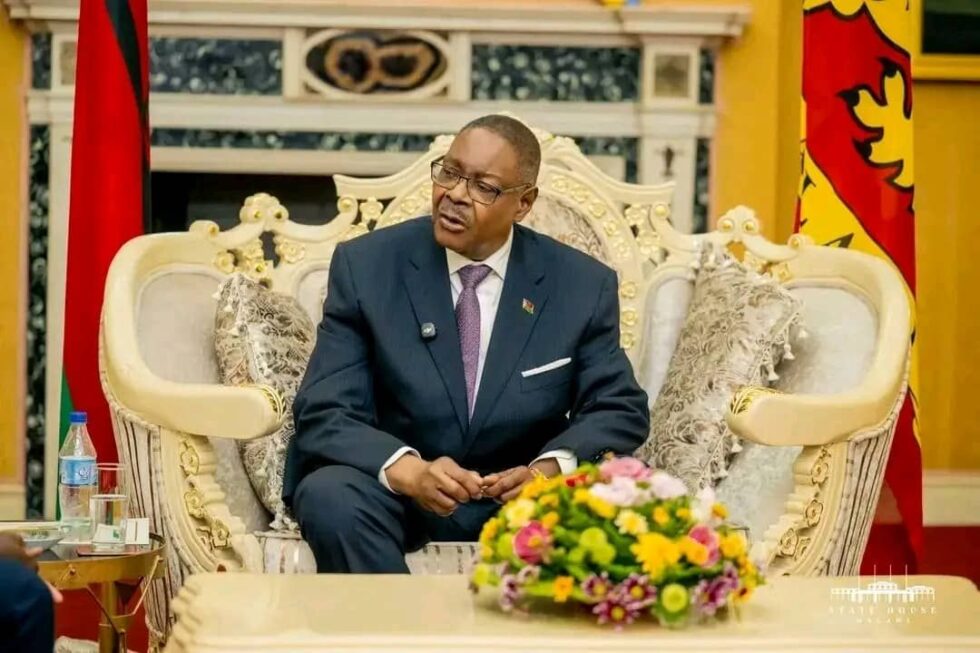
And what of leadership? President Peter Mutharika returned to office promising revival. What Malawians have received instead is a presidency defined by absence. The economy is in freefall, yet the occupant of State House has been consumed by matters of personal health rather than the health of the nation. The result is a government that reacts rather than governs, borrowing to buy fuel, selling gold to keep the lights on, while offering no coherent plan to escape the cycle.
Worse, the state has been captured. The Amaryllis Hotel scandal, a K128.7 billion deal for an asset valued at K30 billion just two years earlier, remains shrouded in evasion. A parliamentary report on the matter was adopted and then abruptly withheld from public view . Pension money. Public trust. Buried. And just recently, another scandal at EGENCO, the state power utility, reminded Malawians that corruption is not an aberration in this administration. It is the operating system.
The arithmetic of despair is now complete. The economy is shrinking per capita. Population growth outpaces GDP growth . Three-quarters of the population lives on less than $3 a day . The government has no forex, no fuel, no food security, and no credible plan. What it does have is four more years.
That is the cruelest sentence of all. Malawians cannot vote their way out. They cannot protest their way out. They cannot leave. They must simply endure, watching a state that has stopped working for them continue to claim it is working. A failed state is not one that collapses overnight. It is one that asks its people to queue for fuel, pay triple for maize, bury their ambitions, and call it normal. Malawi is not on the brink. It is already there.