
Wednesday, May 6, 2026
No menu items!
spot_img
Home Blog Page 1339

Should the legacy of Kamuzu be emulated?

*The Dangerous Path of Following in the Footsteps of Hastings Kamuzu Banda*

By Twink Jones Gadama

Minister of local government Richard Chimwendo Banda’s recent advice to President Chakwera of Malawi to follow the footsteps of former dictator Hastings Kamuzu Banda is a troubling and concerning development.

Hastings Kamuzu Banda was a divisive and authoritarian leader whose rule brought about great suffering to the people of Malawi.

By urging Chakwera to emulate Banda’s actions, Chimwendo is advocating for a return to a dark era in Malawian history.

One of the most alarming similarities between Kamuzu Banda and President Chakwera is their approach to human rights and freedoms.
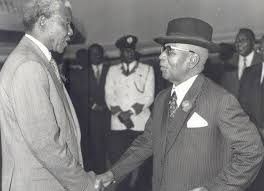
The late Kamuzu with Nelson Mandela


During his time in power, Kamuzu Banda’s regime was marked by a blatant disregard for human rights, with widespread reports of political repression, torture, and extra-judicial killings.

Banda signed death penalties for murder convicts, wielded absolute power, and silenced any form of dissent.

Similarly, Chakwera’s administration has been marred by reports of violence against opposition members and a growing sense of authoritarianism.

The recent incidents of violence perpetrated by Chakwera’s supporters against members of the opposition Democratic Progressive Party (DPP) are a stark reminder of the dangers of unchecked power.

Furthermore, both Banda and Chakwera have shown a willingness to target specific religious groups.

During his rule, Banda banished Jehovah’s Witnesses and persecuted those who did not conform to his vision of a homogenous society.

Similarly, Chakwera has remained silent in the face of attacks on religious minorities and has failed to uphold the principle of religious freedom.

By aligning himself with Banda’s legacy, Chakwera risks alienating marginalized communities and perpetuating a culture of intolerance and discrimination.

It is crucial to recognize the harmful impact that following in the footsteps of Hastings Kamuzu Banda can have on the people of Malawi.

Banda’s legacy is a painful reminder of the dangers of unchecked power and the consequences of authoritarian rule.

By heeding Chimwendo’s advice, Chakwera risks undoing the progress that Malawi has made towards democracy and freedom.

It is imperative that Chakwera rejects the path of repression and violence and instead embraces inclusive governance and respect for human rights.

The parallels between Hastings Kamuzu Banda and President Chakwera are deeply troubling.

By advocating for Chakwera to follow in Banda’s footsteps, Richard Chimwendo Banda is promoting a dangerous and regressive agenda that threatens the hard-won freedoms of the Malawian people.

It is essential that Chakwera resists the temptation to emulate Banda’s authoritarianism and instead strives towards a future that upholds democratic values and respect for human rights.

Ruth Msungambeu urges young entrepreneurs to embrace agri-business

0


By Chisomo Phiri

Deputy Chief Executive Officer (CEO) of Horizon Ventures (HORVES) Limited, Ruth Msungambeu, has urged young people in the country to embrace entrepreneurship in Agri-business, emphasizing their vital role in shaping Malawi’s future.

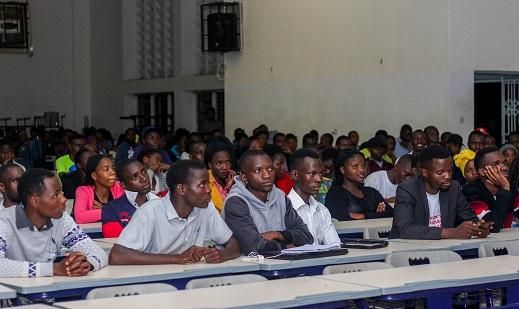
Speaking at the Agri-business Ceremony at Lilongwe University of Agriculture & Natural Resources (LUANAR)-Natural Resources College (NRC) campus, Msungambeu stressed the need for young people to learn modern farming techniques, business management, and marketing to contribute to Malawi’s economic growth and food security.

Msungambeu highlighted Malawi’s potential as an agricultural powerhouse, with fertile land, abundant water, and a favorable climate.

She emphasized that agriculture goes beyond just growing crops, and encouraged establishing value chains, building industries, and driving economic growth.

Msungambeu also emphasized the importance of sustainability and market-driven innovations in Agri-business, highlighting practices like vertical farming, hydroponics, and organic farming.

She stressed resource efficiency and environmental stewardship, inspiring students to embrace sustainable Agri-business practices.

On his part, Aubrey Lumwila, an Agri-business student at LUANAR, appreciated Msungambeu’s insights and encouraged fellow students to balance school and business.

The event aimed to inspire young entrepreneurs to harness Agri-business for Malawi’s resilience in the face of climate change, aligning with Malawi Vision 2063.

Malawi’s debt crisis deepens:National debt hits 13.1 Trillion Kwacha

0

By Chisomo Phiri

Malawi’s national debt has increased to 13.1 trillion Malawian kwacha as of December 2023, up from 9.3 trillion kwacha in the previous year.

According to Ministry of Finance,this means that the country’s debt-to-GDP ratio has risen to 85% of the GDP.

The ministry says the worsening debt situation is attributed to the devaluation of the kwacha and the conversion of short-term domestic borrowing to long-term facilities.

Reserve bank


Meanwhile,the Centre for Social Concern (CFSC) consultant, Lesley Mkandawire, has warned that the country will face increasing public debt pressure, with high levels of borrowing likely to continue as the economy fails to generate sufficient revenue, forcing the Treasury to take on more debt.

The national debt is the total amount of money that a country owes creditors.

It represents the sum of past deficits.

Malawi Nutrition Policy renewal now at an advanced stage- Ministry

0

By Priscilla Phiri

In a significant stride towards bolstering the country’s health, Principal Secretary (PS) responsible for administration in the Ministry of Health, James Manyetera, has announced that the renewal process of the third Nutrition Policy for the country has reached an optimum stage.

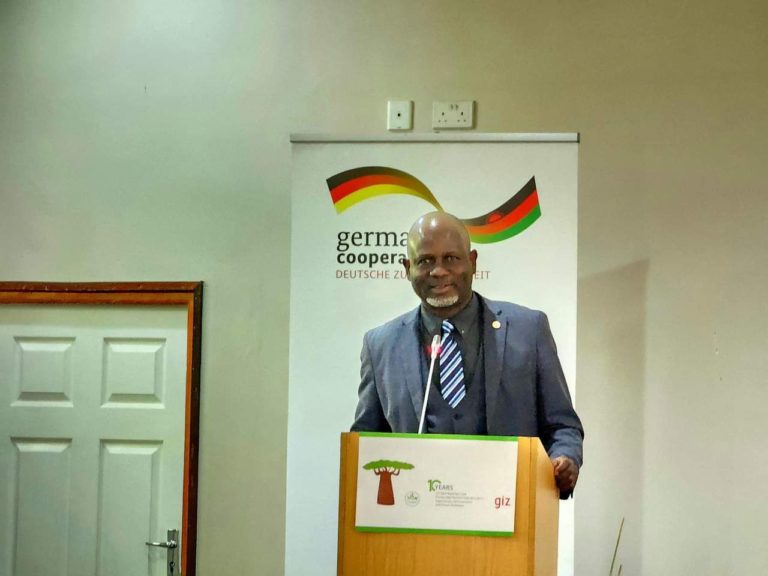
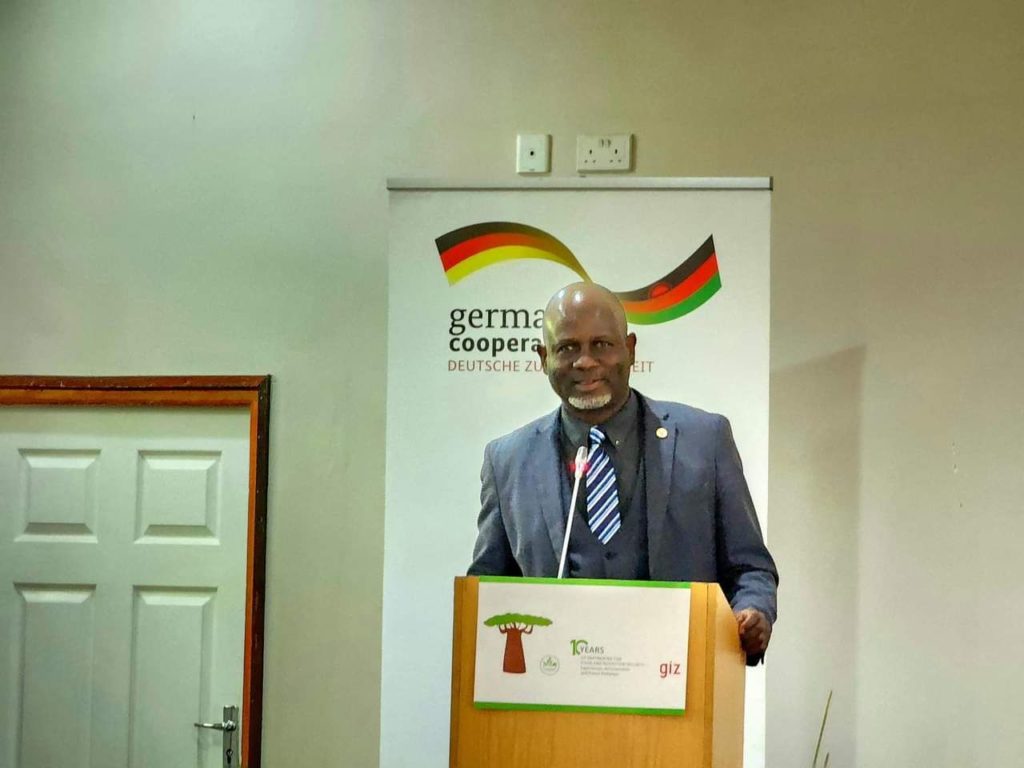
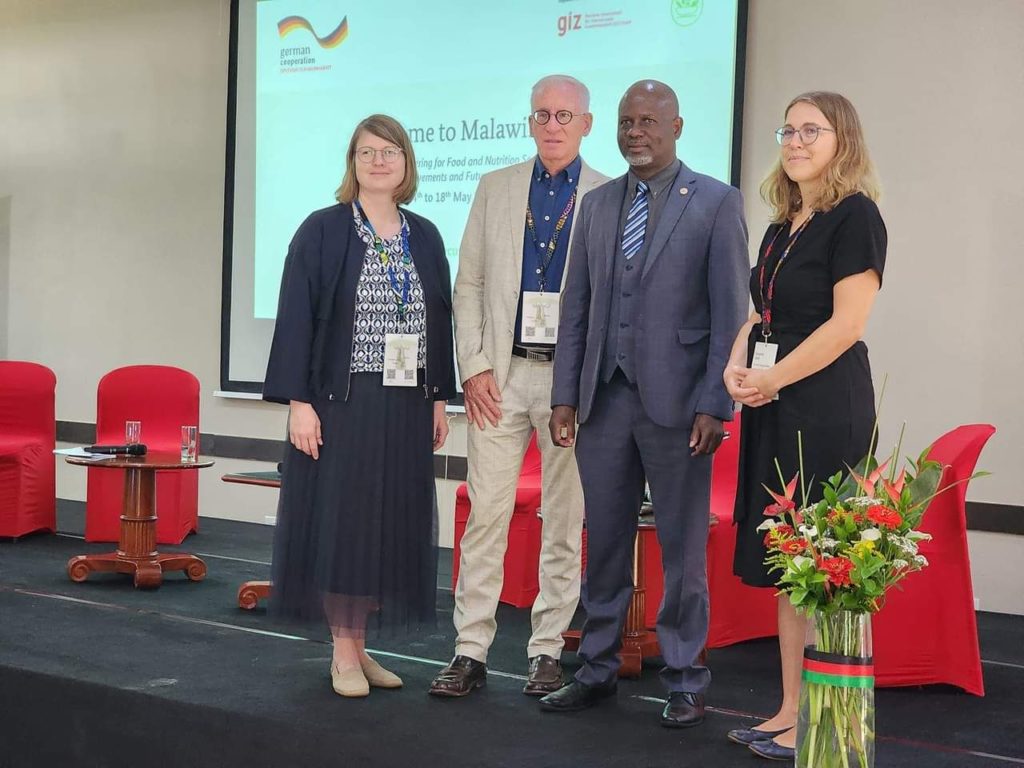
Manyetera said this on Tuesday in Lilongwe at the opening ceremony of GIZ’s third annual Global Programme for Food and Nutrition Security, Enhanced Resilience Conference, which gathered over 40 international delegates and partners with the aim of sharing their experiences, achievements and future pathways in food and nutrition security.

James Manyetera


Speaking at the conference, Manyetera said the government of Malawi recognises the importance of nutrition as an enabler for human growth and development as per Malawi’s Vision 2063.

“A country with poor nutrition aspects can never develop, and Malawi intends to move out of the aspect of malnutrition to an aspect where it is a nutritious rich nation through food diversification, hence this programme implemented by GIZ compliments government’s efforts in eradicating malnutrition,” Manyetera said.

He said government has taken strategic steps in ensuring that policy frameworks and government structures which create an enabling environment for nutrition are well versed, citing the national multisectoral nutrition policy which is at an advanced stage.

“The policy is at an advanced stage such that it is awaiting cabinet’s approval and after this phase we will have a team that will disseminate all aspects of the policy for Malawians to be aware,” he said.

The PS then commended the German government for its steadfast diplomatic relationship with Malawi for the past 60 years which has seen the development of many sectors in Malawi through its programmes implemented by GIZ.

On their part, Head of Global Programme Food and Nutrition Security, Enhance Resilience, Julia Kirya, said nutrition is a complex subject which requires partnerships to be addressed, hence, the conference plays a vital role in sharing information and experiences from the countries.

“What we have achieved in 10 years of this programme is exceedingly great as we have seen improvement in the nutrition of women and children in districts we have been working with in Malawi, including men’s involvement in food and nutrition which wasn’t the case in the early years,” she said.

Also present at the conference, which is expected to end on May 18 2024, was the country representative for GIZ Alan Walsch, delegates from seven countries.

The Malawi Nutrition Policy was launched in 2007 with the aim to facilitate improvement of the nutritional status of all Malawians with special emphasis on vulnerable groups such as pregnant women, lactating mothers and children below the age of 15 years.

Draught Sports Committee urged to support female players

0

By Elia Chibwe

Female International Master (FIM), Susan Kachepa, who won the top position in the African Draught Championship league in Zambia last year, has called on the Regional Draught Committee to support female players.

She believes this support is essential to improve skills and build interest in the sport among women.

In an interview on Tuesday, Kachepa criticized the lack of initiatives for female players, noting that district and regional levels primarily organize male tournaments.


“We rely only on the national tournament organized by the Association of Draught in Malawi (ADMA). If we play that tournament in one year, we wait for another tournament the next year.

“How can one play the game without training? We see males being sponsored by other stakeholders, but female players are left out. Even our committee bodies do not sponsor us to have tournaments at grassroots and regional levels,” Kachepa said.

She emphasized that regular training is crucial for improving skills and uplifting talent in draught sports and went on to urge draught committees to avoid gender discrimination when organizing tournaments.

“It’s my plea to draught committees that they should avoid discriminating against us when organizing tournaments. We usually see them sponsoring men to compete in regional tournaments every month,” she said.

However, Regional Committee Secretary Abuba Iman said that their tournaments are open to all, regardless of gender.

“Since 2023, these tournaments have been open to everyone, regardless of skill or gender. District, regional and national qualifiers in the tournament include both males and females.

“We expect girls to participate in training groups like Lilongwe Giants and A, B, C groups. Their involvement in boys’ competitions can help improve their performance,” Iman said.

ADMA President, John Ngwenya acknowledged Kachepa’s concerns but pointed to a lack of willingness among women as a significant factor deterring tournament organizers and sponsors from including women at the grassroots level.

“To ensure both men and women participate in the sport, we are organizing draught tournaments in schools, pending government funding.

“By next month, we will visit schools to identify young ladies who can be active in the sport. We have submitted our budget, and once funds are received; we will start these programs,” Ngwenya said.

Draught is an emerging sport gaining popularity in Malawi, with the government committed to supporting all sports disciplines through funding.