
Thursday, May 7, 2026
No menu items!
spot_img
Home Blog Page 210

Ivorians head to the polls as Ouattara seeks controversial fourth term


By Burnett Munthali

More than eight million eligible voters are set to go to the polls in Côte d’Ivoire on October 25.

The election marks a critical moment for the West African nation as incumbent President Alassane Ouattara seeks a fourth term in office.

Four opposition candidates have entered the race, challenging the long-serving leader and promising to restore democratic balance and national unity.

Ouattara, who first came to power in 2011 after a bitterly contested election that plunged the country into post-electoral violence, remains a dominant figure in Ivorian politics.
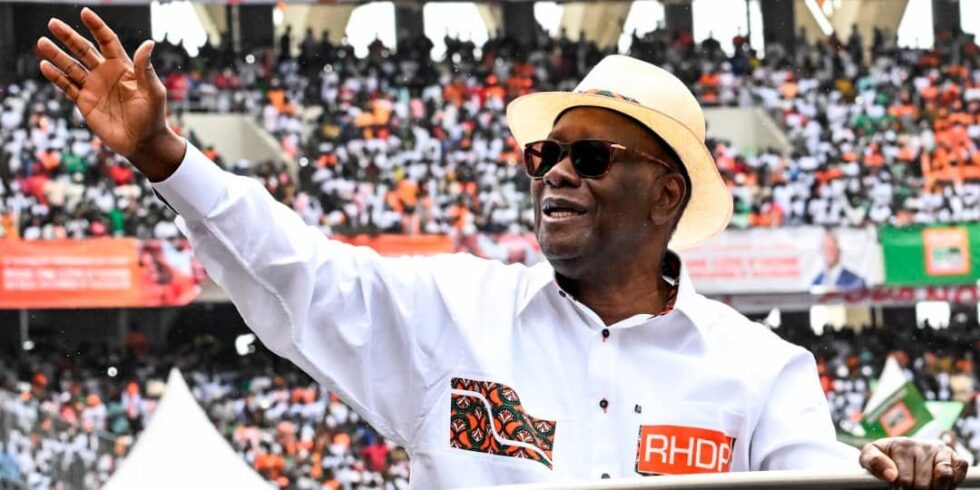


His supporters view him as a stabilizing force who has overseen economic growth and infrastructural development over the past decade.

They credit him with transforming Côte d’Ivoire into one of West Africa’s fastest-growing economies and strengthening its regional influence.

However, critics argue that his continued stay in power undermines democratic principles and risks reigniting political tensions in a country still healing from past divisions.

Opposition parties have accused Ouattara of clinging to power despite previous promises not to seek another term, citing constitutional limits that were originally set to prevent such a scenario.

The government insists that the 2016 constitutional reform reset the presidential term count, thereby legally allowing Ouattara to contest again.

This legal interpretation remains highly contested, fueling political debates and public anxiety ahead of the vote.

Observers say the October 25 election will test the maturity of Ivorian democracy and the credibility of its electoral institutions.

Regional and international organizations have already deployed observer missions to ensure transparency, fairness, and peace during the polls.

Security agencies are also on high alert to prevent violence, particularly in areas that have historically been flashpoints during elections.

The opposition, while divided among several candidates, has urged voters to come out in large numbers to demand change through the ballot.

Some candidates have emphasized reconciliation, justice, and economic inclusion as central themes of their campaigns.

Meanwhile, Ouattara’s campaign is focusing on continuity, stability, and economic progress, arguing that unfinished projects require his steady hand.

For many Ivorians, the election represents both hope and uncertainty—hope for a peaceful transition or renewal, and uncertainty over whether the process will be genuinely free and fair.

Political analysts say voter turnout will be a key determinant of legitimacy, especially in a country where apathy and mistrust in institutions remain high.

As October 25 draws closer, Côte d’Ivoire stands at a crossroads between continuity and change, with the outcome likely to shape its political and economic trajectory for years to come.

Whether Ivorians choose to extend Ouattara’s rule or usher in a new era of leadership, the 2025 election will mark a defining chapter in the nation’s democratic journey.
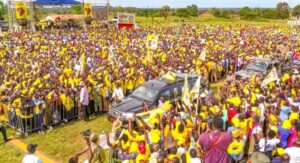
Museveni calls for peace, development, and wealth creation to transform Uganda


By Burnett Munthali

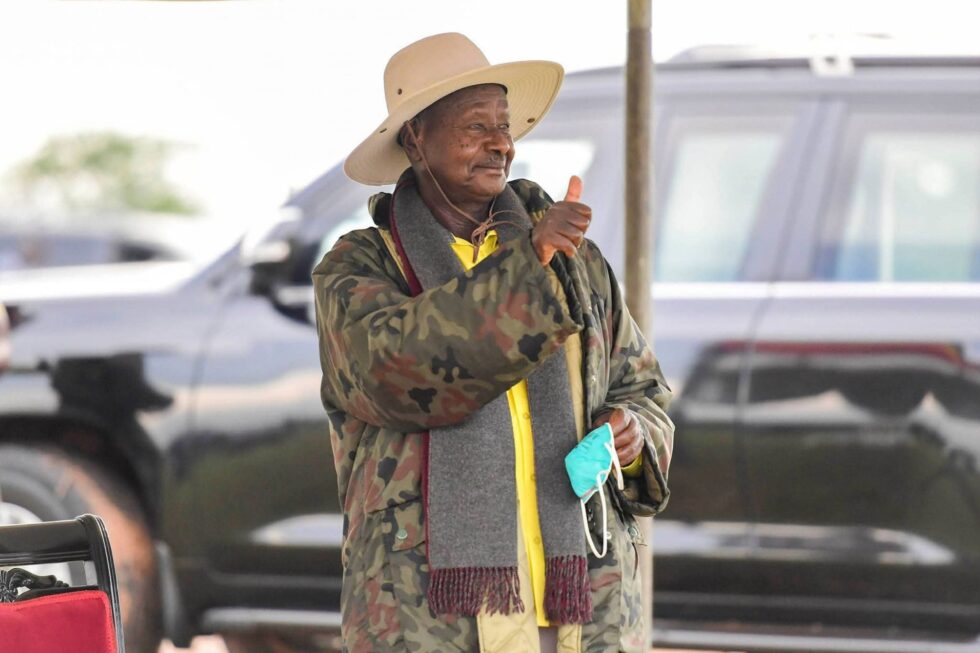
President Yoweri Kaguta Museveni has urged Ugandans to adopt peace, development, wealth creation, and free education as the foundation for transforming their communities and the country at large.

The President’s call is part of his ongoing efforts to engage with citizens and promote his vision for Uganda’s development, emphasizing that these four pillars are crucial for achieving socio-economic transformation.

Museveni


By embracing peace, Ugandans can create a stable environment that is conducive to development and wealth creation, the President noted.

Development, particularly in building economic and social infrastructure, is a key aspect of the government’s strategy to transform Uganda and improve the lives of its citizens.

Wealth creation is also essential, and the President encouraged citizens to look beyond government jobs and explore opportunities in the private sector, such as commercial agriculture and small-scale enterprises.

Free education is another critical component of the President’s vision, and the government has implemented various initiatives to improve access to quality education and promote skills development.

The President’s emphasis on these four pillars reflects his commitment to creating a better future for Uganda and its people.

Through his Parish Development Model (PDM) and other initiatives, President Museveni aims to empower citizens and promote economic growth, ultimately transforming Uganda into a prosperous and stable nation.

The PDM, in particular, provides financial support and training to households, enabling them to engage in income-generating activities and improve their livelihoods.

By adopting this model and embracing the four pillars, Ugandans can work together to build a brighter future for themselves and their country.

Overall, President Museveni’s call to action highlights the importance of collective effort and responsible leadership in achieving national transformation.

As Uganda continues to progress, the President’s vision for peace, development, wealth creation, and free education remains a guiding force in shaping the country’s future.

Zambia’s PF Acting President Given Lubinda: “We are more dangerous in prison than outside


By Burnett Munthali

Patriotic Front (PF) Acting President Given Lubinda has made a bold statement, asserting that the party’s members are more dangerous in prison than outside, as the government continues to crack down on opposition leaders.

The statement comes in the wake of the imprisonment of several senior PF officials, including Secretary General Raphael Nakachinda, Ronald Chitotela, Nickson Chilangwa, Bowman Lusambo, and Joe Malanji, among others.

Lubinda’s assertion underscores the party’s resolve and determination to push forward with their agenda, despite the challenges posed by the imprisonment of their leaders.

According to Lubinda, the imprisonment of party members only serves to strengthen their spirit and galvanize support among their followers.

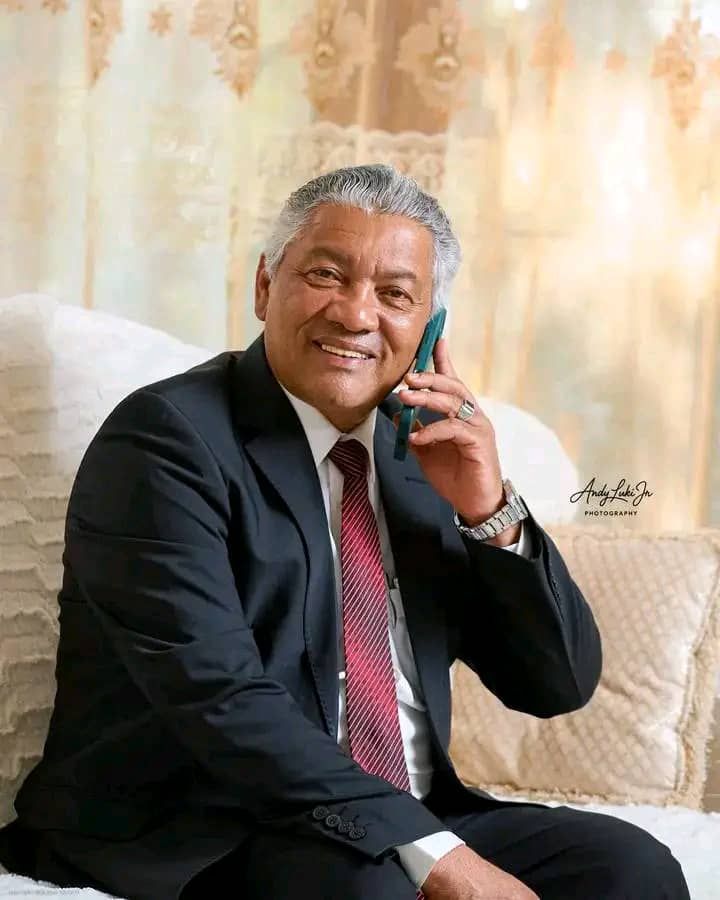
Given Lubinda


When I am arrested, it is me, the individual, who is arrested, but my spirit rises in the hearts of millions, Lubinda emphasized, highlighting the perceived impact of his party’s resilience on the nation.

The PF acting president’s statement is a testament to the party’s unwavering commitment to their cause, even in the face of adversity.

Lubinda’s comments also bring to light the ongoing tensions between the PF and the government, with the party accusing the administration of using the judiciary to silence opposition voices.

The imprisonment of senior PF officials has sparked widespread concern about the state of democracy and the rule of law in Zambia, with many calling for the government to respect the rights of its citizens.

As the situation continues to unfold, Lubinda’s statement serves as a rallying cry for PF supporters and a warning to the government that the party will not be intimidated or deterred from pursuing its objectives.

AWOME annual conference set to empower women journalists

0

By Rahim Abdul

Preparations for the annual conference of the Association of Women in Media (AWOME) have reached an advanced stage with everything now in place ahead of the highly anticipated gathering scheduled for October 28 and 29, 2025, in Salima District.

According to the organization’s Secretary General, Edith Kaira Gondwe, this year’s event will bring together 91 female journalists from across Malawi for two days of interactive learning, mentorship and professional exchange.

Gondwe said the conference will not only strengthen solidarity among women in the media but also empower them to take up leadership roles both in the newsroom and beyond.

Edith Kaira Gondwe


“The participants will have a chance to learn about the importance of women assuming decision-making positions, financial planning for retirement and awareness on cervical cancer an issue that continues to affect many women in the country,” Gondwe said.

The meeting will be held under the theme “Beyond Elections: Women’s Voices in Governance,” which seeks to encourage female journalists to report more deeply on governance and women’s participation in leadership, rather than limiting their coverage to women contesting in elections.

Gondwe added that this year’s guest of honour will be Justice Annabel Mtalimanja, Chairperson of the Malawi Electoral Commission (MEC), whose presence will underscore the importance of women’s representation in key national institutions.

Over the years, AWOME has played a crucial role in promoting gender equality in the media sector by advocating for fair representation, building capacity among women journalists and pushing for balanced reporting on gender-related issues.

This year’s gathering is expected to feature panel discussions, experience-sharing sessions and mentorship programmes led by veteran female journalists and experts from various fields.

Topics will include media ethics, digital transformation, mental health for journalists and strategies for promoting women’s voices in decision-making spaces.

Gondwe emphasized that the conference will also serve as a platform to reflect on the progress made by female journalists in influencing public discourse and holding leaders accountable, while identifying gaps that still hinder women’s advancement in media leadership.

“As AWOME, we believe that empowering women in media is a step toward strengthening democracy and ensuring that women’s stories are told with fairness and depth,” she added.

The Salima conference comes at a time when Malawi continues to witness growing advocacy for gender parity in various sectors, with calls for media practitioners to amplify women’s voices in political, economic and social leadership.

CFTC engages Kabaza Operators in Blantyre on fair trading and consumer rights

0


By Burnett Munthali

The Competition and Fair Trading Commission (CFTC) has conducted an awareness session with motorcycle taxi operators, commonly known as kabaza, in Blantyre to educate them on the provisions of the Competition and Fair Trading Act.

The meeting, held on Wednesday, sought to promote fair competition and strengthen consumer protection in the motorcycle taxi industry.

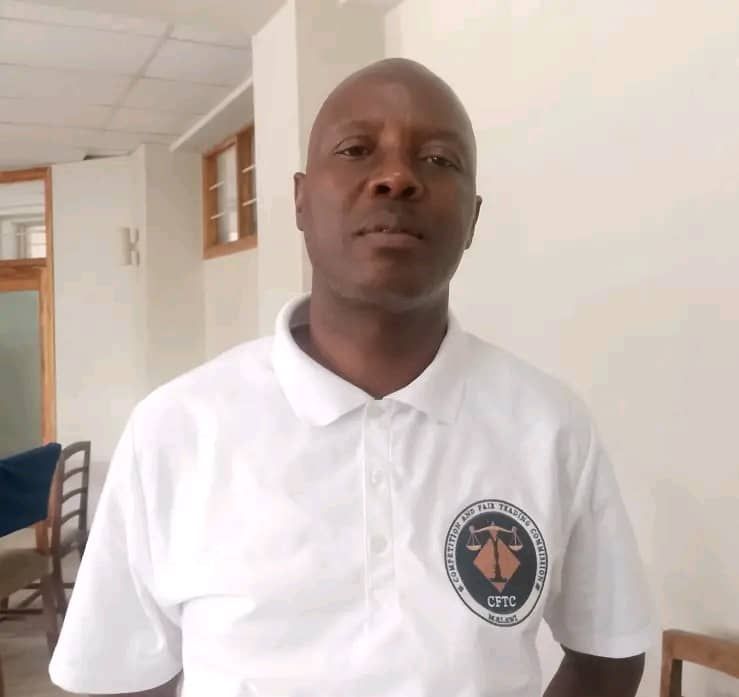
CFTC Director of Competition, Edward Joshua, said the engagement aimed to help operators understand their obligations under the law and the importance of conducting business ethically.

“The idea was to sensitise motorcycle taxi operators so that they are aware of the rights of consumers and understand what the law says,” said Joshua.

Edward Joshua


He explained that the commission’s role is to ensure that all business transactions are conducted fairly and that no party takes advantage of consumers or competitors.

“As CFTC, we ensure that business is conducted in a manner that promotes fairness and does not compromise competition,” he added.

Joshua noted that some kabaza operators have been engaging in practices that exploit passengers through unfair pricing and discrimination.

He said charging unreasonable fares not only violates consumer rights but also undermines healthy competition among service providers.

“We have observed cases where some operators exploit passengers through inflated prices. As a regulator, we are here to ensure a level playing field while safeguarding consumer rights,” Joshua emphasized.

The CFTC director also highlighted that unethical business conduct can erode public trust and reduce the credibility of the kabaza industry as a whole.

Chairperson for motorcycle taxi operators based at Vanmali House in Blantyre Central Business District, Charles Ndalama, praised CFTC for holding the session.

He described the engagement as an eye-opener that would help operators improve their service delivery and professionalism.

“The meeting was very beneficial because it helped us understand passenger rights and the legal framework governing competition,” said Ndalama.

He further acknowledged that the session clarified several misconceptions operators had about the law and their roles in ensuring fairness within the industry.

“We also learnt that it is wrong to block other operators from working at our ranks,” he added, admitting that such behavior stifles competition and violates fair trade principles.

Ndalama appealed to CFTC to extend similar awareness sessions to other parts of Blantyre and surrounding districts.

He said many motorcycle taxi operators across the city are still unaware of the Competition and Fair Trading Act and may unknowingly engage in practices that breach the law.

During the engagement, CFTC officials explained the commission’s responsibilities and outlined the major provisions of the Act.

They also guided participants on how to lodge complaints with the commission in cases involving unfair business practices or consumer exploitation.

The CFTC team reiterated that the commission remains committed to protecting both consumers and honest business operators by ensuring that market transactions are transparent, fair, and competitive.

As Malawi’s informal transport sector continues to grow, initiatives such as these are seen as essential in promoting responsible entrepreneurship and safeguarding the rights of passengers who depend on kabaza services daily.