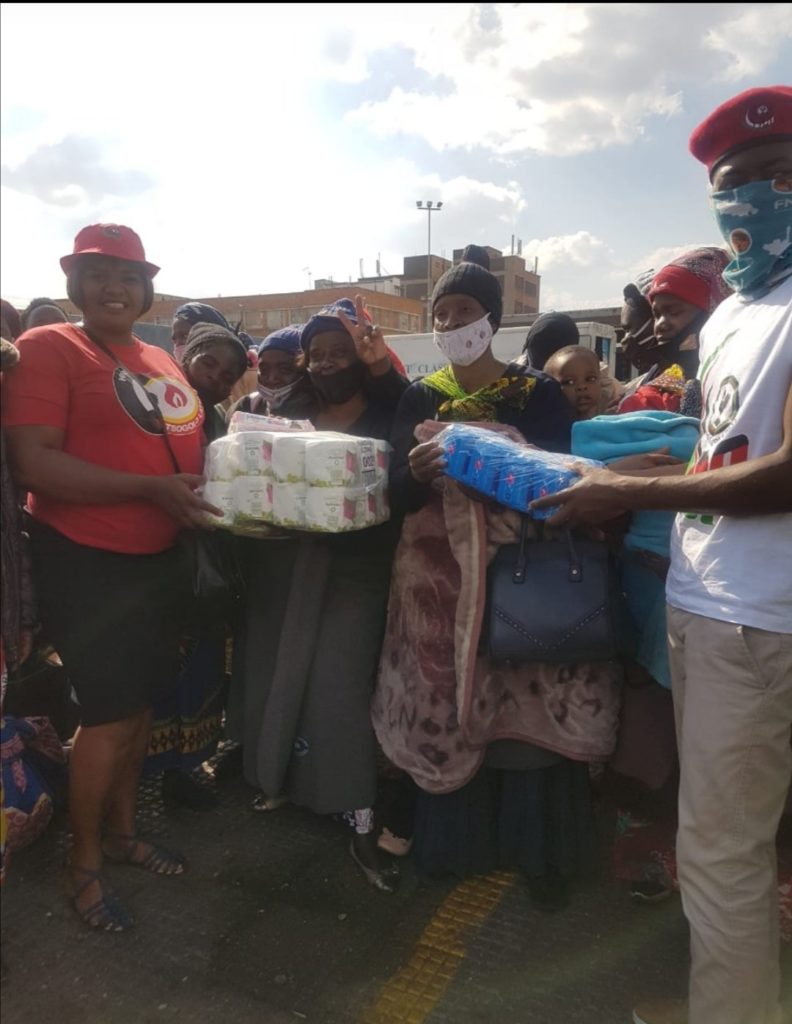
As the ongoing Covid19 lockdown restrictions continues to affect Malawians in various ways ,the Malawi Congress Party South Africa Wing on Saturday afternoon took steps to help. A donation of various assorted items was made to some Malawians who have found themselves out of jobs and stuck in a foreign country .
According to one of the officials of the Wing Mphatso Banda, representatives of the Wing paid a visit to fellow Malawians who have been stranded in Johannesburg for weeks awaiting clearance to return to Malawi. The group decided to take such a step as they didn’t just want to sit down and wait for the government “The situation is not good, a lot of Malawians stranded here and in desperate need for help. We know the Malawi government is working on trying to find ways to address this, however while waiting for that, we thought we should help with any little that we can”
MCP Diaspora Wing RSA donating items to stranded Malawians
It is believed more that 100,000 Malawians live in South Africa. Over the past month, Malawi has been receiving returnees from South Africa in large numbers. South Africa remains the country hardest hit with Covid19 pandemic. Over 603 thousand cases have been registered with more than 13000 people confirmed dead
Malawi Deputy High Commissioner to South Africa Gloria Bamusi earlier assured all Malawians that government will do its best to help and that any Malawians who have any problems should try to contact the embassy. MCP Diaspora RSA is part of the MCP Diaspora network (MCPDN) which is an umbrella group of all the party’s diaspora group. Mphatso Banda also urged any Malawians in South who need quick help to contact the group so that they can help to link them to relevant authorities.
The items that includes toiletries were bought by contributions from members of the Wing. Through the collaboration with Malawi High Commission in RSA and various stakeholders in the diaspora, buses are taking some of the people back to Malawi . MCP Diaspora encourages any other well wishers to donate items to the group which will be distributed to those in need
The Malawi Assemblies of God has new leadership following its 2020 General Assembly that has been held at the church’s headquarters in Lilongwe on Friday morning August 21, 2020.
Following the church’s constitution that leaders in various positions have to serve for a term of 4 years, Malawi Assemblies Of God Pastors gathered yesterday in Lilongwe 4 years after ushering leaders in various leadership positions to constitute the same mandate. The elective General Assembly has seen some new faces taking positions, others maintaining or shifting from the positions they have been serving since 2016 mandate, while other faces have been exited.
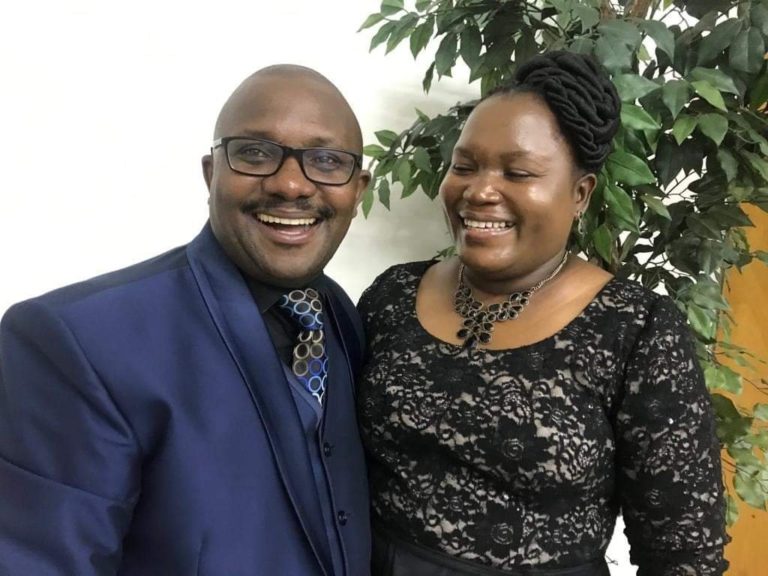
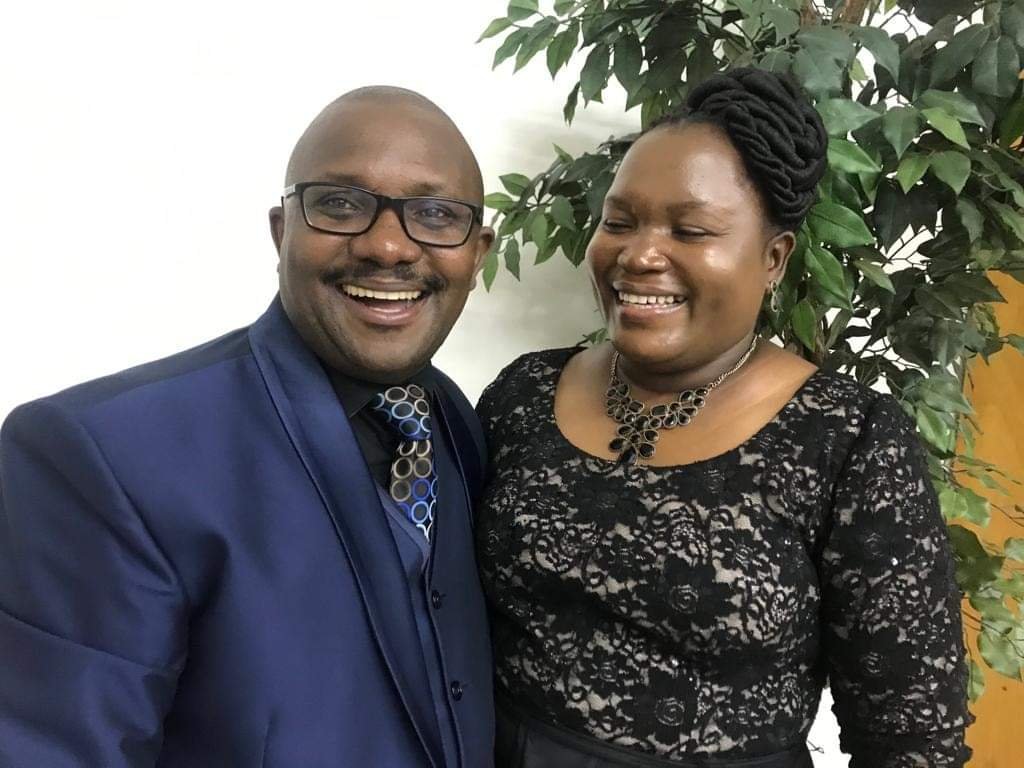
Rev Dube and his wife
On the position of the president, Reverend Dr. Andrew Dube of Dream Center in Blantyre who until today was the deputy president has emerged the winner to replace the incumbent president Reverend Dr. Edward Chitsonga. Reverend Dr. Edward Chitsonga has been president for Malawi Assemblies Of God Church since 2013, after Reverend Dr. Lazarus Chakwera who had just been elected by then as the president resigned from the position to join party politics. Dr. Chakwera remains the only pastor to have served the church as its president for many years. On the position of the deputy president which was being held by the newly elected president, the delegates have elected Reverend Benito Chisamba to take charge. Reverend Chisamba was not part of the previous National Executive Committee.
Other positions elected are as follows: Reverend Matlida Matabwa(Secretary General) the same position she has been holding since 2016 and the only female pastor in the NEC, with Reverend Spade Mwale voted as her deputy coming from outside the previous committee to replace Reverend Daniel Masamba. The delegates have also reelected into office Reverends Dr. Jim Botoman and Medson Jackson as the Treasurer General and Deputy Treasurer General respectively, with Reverend Francis Chima being elected as Director for Evangelism (DEM) replacing Reverend Elton Kananji who was holding the position. The delegates who were drawn from all the 6 Divisions of the church have also voted Rev. Donnex Mwenesungo to continue as Director for Northern Division, Rev. Kamwana to head North Central Division for the first time, Rev. Evans Jeka reelected as Director for Central Division, Rev. Steven Kadzokoya as Director to head the Southern Division for another term and Rev. Jimmy M’bwana for the first time has been mandated to be Director for the South Eastern Division.
As we went to press, the delegates were still casting their votes for the rest of the positions within the Divisions.
Our visit at the venue reveals that all prevention measurers against the Covid-19 were observed and adhered to.
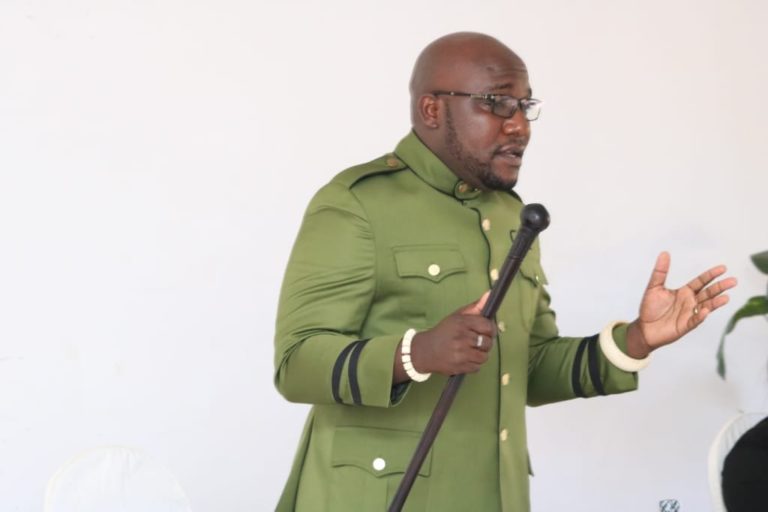
The Minister of Civic Education and National Unity Hon Timothy Mtambo has cautioned against politicising Cultural groups claiming its one element that deflates the spirit of national unity. He was speaking when he had a virtual discussion with several Malawians living in diaspora on Thursday evening at an event organised by Citizen for Transformation Movement (CFT) Diaspora Chapter.
The Minister said time has come that the identification of Malawi as one nation need to be promoted. He highlighted that while he is a big supporter of culture and cultural groups, he was saddened that political interference in these groups has been a catalyst in the promotion of tribalism. Mtambo said it will be idea to have these cultural groups come celebrate together at one big function either at Bingu stadium or somewhere else where each group showcases their culture and we celebrate together as Malawians. “Rather than have Mulhakho Wa Alomwe, Gonamapuhanya, Chiwanja Cha Ayawo and others do their things separately, why not have a single day which can be dubbed a cultural festival and let Malawians come and celebrate together. With that, not only will each heritage celebrate their culture, but we will celebrate together as Malawians and increase our bond as one nation called Malawi “Mtambo said.
Hon Timothy Mtambo
Speaking on the challenges of promoting Unity in the country, Mtambo said Malawi has taken so long in recognizing Unity as a strong component of the country’s development. He revealed that his ministry has what he called Transformative civic education on top its agenda as they attempt to change the mindset and behaviour of Malawians “ My ministry will take government close to the people and people close to the government creating a platform for people and government to engage on issues of national importance”
Mtambo spoke highly of the promotion of values Malawi values citing that no one in the country should be discriminated based on religious, regional or tribal differences. “ If we believe in the constitution then we cannot discriminate each other as the constitution doesn’t discriminate” The Minister also announced that he will be working on what he described as a “ Respect the flag campaign” which will be aimed at making Malawians feel proud of their country , their identity and bringing sense of patriotism and allegiance to the flag,
When asked about the role of Citizen For Transformation (CFT) movement now that he is part of the government as a minister, he assured those in attendance that he is very much part of CFT. “CFT had a short term goal of removing DPP and a long term goal of creating a movement of the people for the people , so the movement will still stand for Malawians regardless of who is in power” He also announced that the movement will actively get involved in some charity activities to give a voice to the poor , resource mobilisations in order to support those in need.
Also speaking at the event, CFT Diaspora Commander Linda Khembo , thanked the Minister for making himself available to answer a few questions from Malawians in the diaspora , who despite being far from home , are still very much interested to be part of the policy changes and implementation.
Diabetes mellitus is common in Malawi: over 268,000 adults live with the disease, and the number is expected to double in the next 20 years. It’s a noncommunicable disease which occurs when the body can’t turn food into energy properly.
Although the cause of diabetes is not well understood, it’s linked to a combination of environmental and genetic factors. The most common type of diabetes, type 2, is known to be preventable.
Following a healthy diet and maintaining a healthy body weight are key to prevention and control of diabetes. For many people in Malawi, a diagnosis of diabetes means they must stop eating food they are accustomed to. A typical Malawian diet is high in carbohydrates, which are perceived to be satisfying and tasty. Breakfast often consists of maize flour porridge with sugar, and tea with sugar. Other starches like bread, sweetened fritters, sweet potatoes and cassava are also popular. Lunch and dinner oftenconsist of nsima (thick maize meal porridge) accompanied by cooked leafy vegetables, legumes (beans, peas, cowpeas), eggs or meat (fish, chicken, beef or goat).
We conducted a study of people attending a diabetes clinic in Blantyre, Malawi, to understand how they were managing their diet and to identify factors that enabled or prevented healthy eating habits. Our study showed that many people with diabetes did not follow a healthy diet, or only started eating healthy food after being diagnosed with diabetes. They also found it difficult to change their diet after diagnosis.
We believe that to reduce the prevalence of diabetes in Malawi, efforts to promote healthy eating should target the entire population and not only people who have diabetes.
What we found
Our study took place at Queen Elizabeth Central Hospital diabetes clinic in Malawi. We interviewed 510 adults attending the clinic, to ask about their diets. The participants were men and women, from urban and rural areas, ranging in age from 18 to 88. They had been living with diabetes for different lengths of time.
On each clinic day, nurses or trained educators from the Diabetes Association of Malawi offer diabetes education. It focuses on the daily activities that people with diabetes should follow to keep their blood glucose under control and to prevent complications related to diabetes. The topics include healthy diet, exercise, medication adherence and how to care for the feet (which often suffer nerve damage from diabetes).
Around 51% of the people in our study reported that they had followed a healthy eating plan every day in the past seven days. But almost all (99.8%) reported that they had not been able to take at least five portions of fruits and vegetables every day in the past seven days. Although eating adequate amounts of fruits and vegetables is part of a healthy eating plan, the participants implicitly considered taking whole grain cereals, unsweetened beverages and a low fat diet as a healthy diet plan. On a positive note, almost half (48.5%) reported not taking any foods high in fats.
Our findings also showed that adjusting to a healthy diet was a challenge for many.
A healthy diet was perceived to be only for people who already live with diabetes, and not everyone else. All the study participants (100%) said they had adopted a healthy diet only after being diagnosed with diabetes.
Healthy food options were perceived to be limited and the locally available options, such as sugar-free tea or porridge, were mostly considered unpleasant in taste. In Malawi, added sugar in tea and porridge is a norm and the consumption of sweetened beverages is increasing.
One female participant had this to say:
It is not easy to just stop eating foods you are used to abruptly. You wake up one day, they test you, and on the same day they tell you to stop eating this, this and that. Impossible! Let’s not cheat ourselves that it is possible right away.
Many people with diabetes were unclear on the recommended amounts of safer foods. Although many understood that whole grain cereals were healthy food, they were not sure about how much to eat per day.
Many relied on the appearance of the package to decide if the food was healthy or not. Failure to read food labels was common with bread, non-alcoholic beverages and sweeteners. For example, some considered any fruit juice packaged in a carton as sugar free. Reading food labels is important as it guides in selecting healthier options.
Our findings are similar to those of another study that assessed risk factors for non-communicable diseases in Malawi. The national study also showed that the general population did not take five portions of fruits and vegetables every day as is recommended.
A previous study among people living with diabetes in Malawi showed that many had poorly controlled blood glucose levels. As a result, many experienced damage to the nerves, kidneys, eyes and heart.
Other studies done in sub-Saharan Africa also suggest that many people in Malawi and Sub-Saharan Africa could be at risk of preventable diseases due to unhealthy diets. These diseases affect the physical, social and economic wellbeing of individuals, families and societies.
The way forward
The World Health Organization recommends that interventions to promote healthy eating habits should target the entire population and not only those that have diabetes or other noncommunicable diseases. Population level interventions do not require individual behaviour change, and may be reinforced through policy and environmental changes.
For example, media and educational campaigns conducted in other countries like the US, Australia and Pakistan reported success in increasing the consumption of fruits and vegetables. A study in India showed that taxing sugar-sweetened beverages could reduce obesity and prevent occurrence of type 2 diabetes.
We recommend that education on healthy diet and its benefits be intensified through the media and schools to increase public awareness. Another strategy is to subsidise the cost of production of fruits and vegetables to make them more easily available to consumers.
The advantage of population based interventions is that they are cost effective and they benefit everyone regardless of whether they have diabetes or not.
The High Court in Lilongwe has found four suspects -Ekari Daniella Chaweza, Gilbert Kalamiza, Timothy Mtilosanje and Diana Bhagwanji -who were being accused of murdering Kottana Chidyaonga, that they have no case to answer and the murder trial has collapsed.
Chidyaonga died in January this year and it was suspected that she died due to a snake bite’, while another school of thought alleged that she might have been murdered.
Boyfriend Timothy Mtilosanje and the late Kotana
Judge Thomson Ligowe says the court has found no substantial evidence from state to prove the case hence it has acquitted the suspects.
Initial statements from suspects showed that the 23 year-old girl from Lilongwe was bitten by a snake but an autopsy report by Pathologist Charles Dzamalala found that she died from poisoning.
Mtilonsanje was boyfriend to the late Chidyaonga, while Baghwanji was one of the close friends she was last seen with on that fateful day.