

Friday, December 26, 2025
No menu items!
spot_img
Home Blog Page 86

Atupele Muluzi faces DPP stronghold challenge in Mangochi and Machinga

0

By Burnett Munthali

Atupele Muluzi’s last major rally was held in Mangochi, where he told supporters that his number one political enemy is the Democratic Progressive Party (DPP).

The United Democratic Front (UDF) has only managed to secure one Member of Parliament in the Mangochi district.

That single MP, Aisha Mambo, openly declared her support for former president Arthur Peter Mutharika (APM).

Her position has sent a strong message that the UDF’s influence in the district is rapidly shrinking.

Atupele


Other politicians who continue to align themselves with Atupele Muluzi risk losing ground as the political tide in the region shifts.

Based on recent election results, Mangochi and Machinga remain strongholds of the DPP.

The party has consistently performed well in these districts, consolidating its grassroots support and retaining voter loyalty.

For Atupele Muluzi, this reality presents a serious obstacle in his attempt to reposition the UDF as a formidable force.

Analysts argue that without breaking DPP dominance in Mangochi and Machinga, the UDF’s chances of regaining national relevance remain slim.

Atupele may therefore need to explore new political strategies if he is to expand beyond his shrinking base.

One potential avenue is to seek support in other regions, such as T/A Masula, where the UDF might carve out an alternative stronghold.

However, building new political ground will not be easy, given the stiff competition from both the DPP and the Malawi Congress Party (MCP).

The dynamics in Mangochi and Machinga underscore the UDF’s struggle for survival in a political landscape dominated by stronger and better-organized parties.

Unless Atupele finds a way to rebuild alliances and win back public trust, the UDF risks fading further into political irrelevance.

For now, the DPP remains the dominant force in Mangochi and Machinga, leaving Atupele with the difficult task of finding new ground on which to rebuild his political career.

*Historical Context: From Bakili’s Stronghold to Atupele’s Decline*

In the 1990s and early 2000s, Mangochi was the undisputed heartland of the UDF under the leadership of Bakili Muluzi.

The region overwhelmingly supported Malawi’s first multiparty president, who hailed from the district, giving the UDF a loyal and reliable voter base for years.

During Bakili Muluzi’s tenure, the UDF not only dominated Mangochi but also extended its influence to other parts of the Southern Region.

The party’s dominance was so strong that winning in Mangochi was once seen as a foregone conclusion.

However, the rise of the DPP under Bingu wa Mutharika shifted political dynamics, as the party gradually built structures and won over voters in the region.

By the time Atupele Muluzi took over the UDF’s leadership, the once unshakable stronghold had already begun to erode.

Now, with the DPP entrenched in Mangochi and Machinga, the decline of the UDF in its birthplace highlights just how much the political landscape has changed since Bakili Muluzi’s era.

The contrast between Bakili’s dominance and Atupele’s current struggles underscores the challenge of sustaining political legacies in Malawi’s shifting democratic space.

*Concluding Analysis: Atupele vs. Bakili – Style and Legacy*

Bakili Muluzi’s political style was characterized by charisma, personal connections, and a strong grassroots presence that made him a unifying figure in Mangochi.

He was able to cultivate loyalty by blending national politics with local engagement, ensuring that the UDF’s message resonated at both levels.

Atupele Muluzi, by contrast, has adopted a more technocratic and modern political approach, focusing on policy and reform rather than personal charisma.

While Atupele’s style appeals to urban and educated voters, it has struggled to translate into widespread support in rural strongholds like Mangochi and Machinga.

The generational shift, changing voter expectations, and the rise of well-organized rivals like the DPP have further challenged his ability to replicate his father’s success.

Analysts suggest that the UDF’s decline is not only a reflection of political competition but also of the gap between Atupele’s leadership style and the personal, relational politics that once cemented Bakili’s dominance.

For Atupele to revitalize the UDF, he may need to blend his modern reformist approach with a renewed focus on grassroots mobilization and local engagement.

Without this balance, the legacy of the UDF risks fading further, leaving Mangochi and Machinga firmly in the hands of rival parties.

*Strategic Recommendations: Rebuilding the UDF*

To regain political relevance ahead of the next elections, Atupele Muluzi could focus on consolidating support in areas outside the traditional DPP strongholds, such as T/A Masula and neighboring districts where the UDF still has residual influence.

Investing in grassroots engagement, including community meetings, local development initiatives, and youth empowerment programs, could help rebuild trust among rural voters who feel neglected.

Atupele should also strengthen alliances with smaller political parties and influential local leaders to create a broader coalition capable of challenging DPP dominance.

Targeting urban and peri-urban constituencies with a message of technocratic reform, economic opportunity, and good governance could attract younger, educated voters who are more receptive to his policy-focused approach.

Finally, the UDF must craft a clear narrative that ties Atupele’s modern reformist vision to the legacy of his father, showing continuity while addressing current political and economic challenges.

By blending these strategies—grassroots mobilization, coalition-building, and urban outreach—Atupele could realistically carve out a revitalized UDF base capable of competing meaningfully in the next election cycle.
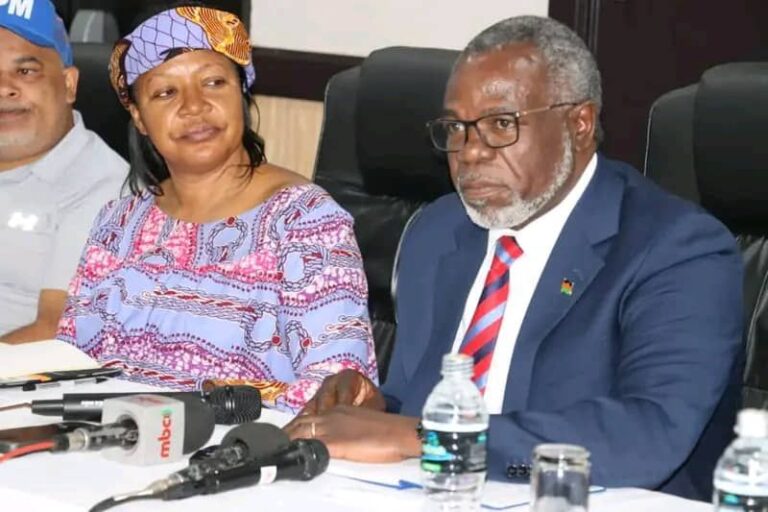
DPP declares zero amnesty for public funds looters: A political game-changer ahead of 2025

0


By Burnett Munthali

The Democratic Progressive Party (DPP) has taken a firm stance that there will be no amnesty for individuals who have stolen public funds.

The announcement signals the party’s intent to restore accountability and trust in public institutions that have long been plagued by corruption.

The DPP leadership has emphasized that anyone found guilty of embezzling or misappropriating state resources will face the full force of the law.

This decision comes at a time when Malawians continue to grapple with economic hardship worsened by years of financial mismanagement and corruption scandals.

Party officials argue that granting amnesty would only encourage impunity and undermine the rule of law.


They further stress that justice must not be selective and that all offenders, regardless of political or social status, must be held accountable.

The declaration is also viewed as a direct response to ongoing public outcry demanding stricter measures against those responsible for draining government coffers.

Observers believe that this position could strengthen the DPP’s credibility as it prepares for the next elections, where governance and accountability remain hot campaign issues.

The stance is particularly strategic because corruption has emerged as one of the most decisive factors influencing voter sentiment ahead of the 2025 elections.

By rejecting any notion of amnesty, the DPP seeks to position itself as the party of accountability in contrast to the ruling administration, which has been criticized for tolerating or failing to curb financial mismanagement.

The Malawi Congress Party (MCP), under President Lazarus Chakwera, has faced growing discontent over its handling of corruption cases, with critics pointing to a lack of decisive action and selective application of justice.

While the MCP came to power in 2020 promising a “new Malawi” founded on transparency and accountability, its track record has been blemished by high-profile scandals and weak enforcement of anti-corruption pledges.

Several reports of fraudulent contracts, abuse of public resources, and questionable procurement deals have surfaced under the MCP government, undermining its claim of being a clean administration.

For many voters, the MCP’s inability or unwillingness to prosecute allies and associates implicated in corruption has raised concerns that the party has failed to match its promises with action.

The DPP is therefore seizing an opportunity to reframe itself as the party capable of enforcing discipline and accountability, despite its own controversial history in government.

This creates an opportunity for the DPP to rebrand itself as a party that has learned from past mistakes and is now committed to a clean and transparent government.

Critics, however, caution that the DPP must prove it is not exploiting the corruption issue merely for political mileage, given its own chequered record of financial scandals during previous regimes.

Skeptical voters may recall that both the DPP and MCP have in different ways struggled to translate anti-corruption rhetoric into meaningful reform.

Nevertheless, the zero-amnesty stance resonates strongly with an electorate frustrated by rising poverty, stalled development, and recurring corruption scandals.

For many Malawians, the statement offers a glimmer of hope that the cycle of looting and impunity that has crippled development might finally be broken.

Analysts argue that if the DPP manages to frame its message as a practical plan—complete with strategies for asset recovery, judicial independence, and transparent prosecutions—it could sway undecided voters and weaken the ruling party’s narrative.

This policy position could also put pressure on the MCP and other competitors to clarify their own anti-corruption agendas, thereby setting the tone for election debates.

The DPP has promised to pursue all available legal avenues to recover stolen funds and ensure that culprits are prosecuted without fear or favor.

This bold stance, if implemented consistently, could mark a turning point in Malawi’s fight against corruption and reshape the political landscape leading into 2025.

In the end, whether this strategy translates into electoral success will depend not only on the DPP’s messaging but also on its ability to convince Malawians that its promise of zero amnesty is more than just a campaign slogan.

Urban voters, especially professionals and business owners, are likely to be drawn to the DPP’s stance because they are directly affected by weak governance, unstable markets, and the loss of investor confidence caused by corruption.

Rural voters, who have often borne the brunt of underfunded health, education, and agricultural services, may also welcome the message if they are convinced that recovered resources will be reinvested into development projects.

The youth, representing the largest voter bloc, could be particularly responsive to the anti-corruption message, as unemployment and lack of opportunities are often linked to the misuse of public resources.

Older voters, many of whom value stability and have lived through cycles of unfulfilled promises, may be more cautious but could still shift toward the DPP if they believe the party is genuinely prepared to deliver justice and restore order.

By appealing simultaneously to urban frustration, rural disillusionment, youthful anger, and older skepticism, the DPP’s “zero amnesty” stance has the potential to cut across multiple constituencies and reshape the electoral map in 2025.

Mkungula urges Malawi delegates to speak with one voice at COP30

0


By Chisomo Phiri

Principal Secretary in the Ministry of Natural Resources and Climate Change, Dr. Yusuf Mkungula, has called on Malawi’s delegation to the upcoming Thirtieth Conference of the Parties (COP30) scheduled for November 10 to 21 November, 2025 in Belém, Brazil,to be well-prepared and present a unified voice.

Mkungula made the appeal in Lilongwe on Thursday during the second National Stakeholders Preparatory Meeting.

He stressed that COP30 offers a unique opportunity to build on the achievements of COP29, particularly the outcomes of the Global Stocktake, which highlighted the urgent need for more ambitious national targets.

Mkungula also warned that the world remains significantly off-track in meeting the 1.5°C temperature goal.

“For Malawi, as a climate-vulnerable Least Developed Country, COP30 is a critical platform to ensure our voice is heard. Our priorities will include climate finance, adaptation ambition, loss and damage, just energy transition, and nature-based solutions,” he said.

Mkungula added that Malawi’s recent leadership as chair of the Least-Developed Countries (LDC) Group since 2024 reflects the country’s commitment to climate diplomacy.

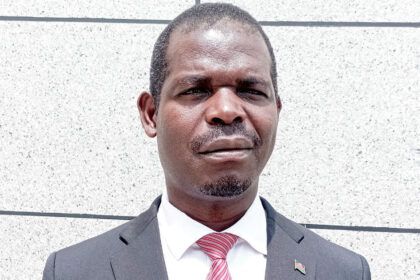
Mkungula


He encouraged delegates to carry the same spirit into COP30, ensuring Malawi’s voice is amplified not only as a nation but also as part of the LDC Group, the African Group, and the G77 and China.

The principal secretary urged participants to approach the summit with a full grasp of Malawi’s national priorities, challenges, and gaps to strengthen negotiations and multilateral as well as bilateral engagements.

On his part, UNDP Resilience and Sustainable Growth Portfolio Manager,Rabi Gaudo, praised the Malawi Government for its strong leadership in coordinating national climate action, which he described as the foundation of global climate ambition.

Gaudo said the preparatory meeting was an essential step to ensure Malawi presents a unified, coherent, and impactful voice at COP30.

“The impacts of climate change on Malawi are profound and far-reaching. Increasingly frequent droughts, floods, and unpredictable rainfall patterns continue to erode development gains, threaten food security, and deepen socio-economic inequalities.The burden falls most heavily on women, young people, and marginalized communities,” he said.

Gaudo stressed that Malawi must move beyond negotiating positions to ensure that climate action is visible, measurable, and transformative.

Solutions, he said, must be inclusive, equitable, and innovative, leaving no one behind.

“COP30 represents a critical milestone in global climate diplomacy. It will set the path for the next decade of climate action under the enhanced ambition of the third cycle of Nationally Determined Contributions (NDCs).For Malawi, it is both a chance to present its revised NDCs and to demonstrate that its strategies are aligned with global targets while rooted in national realities,” said Gaudo.

The COP30’s main themes include reducing greenhouse gas emissions,adaptation to climate change
climate finance for developing countries
renewable energy technologies and low-carbon solutions,preserving forests and biodiversity
climate justice and the social impacts of climate change.

NPC in early talks with DPP on Malawi 2063 implementation

0

By Chisomo Phiri

The National Planning Commission (NPC) says it has started preliminary discussions with the incoming ruling Democratic Progressive Party (DPP) on implementing its manifesto in line with the Malawi 2063 vision.

NPC Director General Fredrick Changaya revealed this in an interview with 247 Malawi News ahead of the swearing-in of president-elect Peter Mutharika who is also leader of the DPP, noting that more detailed, high-level engagements will take place once cabinet ministers are appointed.

Changaya emphasized that governing parties are legally expected to adhere to the 2063 agenda.

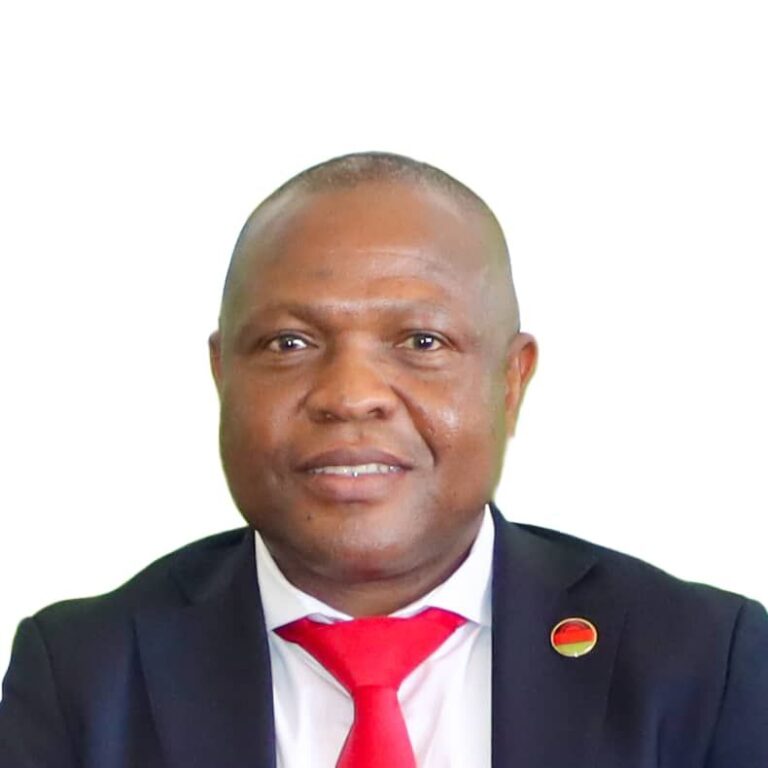
Fredrick Changaya


Commenting on the matter, Executive Director of the Centre for Social Accountability and Transparency (CSAT), Willy Kambwandira,cautioned that there is no strong legal framework to enforce the implementation of the economic blueprint.

“What we often see is that government agendas are driven by political interests, and there has been little effort to hold accountable those who fail to align with the 2063 agenda,” said Kambwandira.

DPP launched its manifesto on August 3,2025 at Mount Soche hotel in Blantyre.

Among others , the manifesto promises free secondary education and abolish any fees attached to primary education, including Malawi National Examinations Board(MANEB ) fees for all national exams.

The manifesto also promises K5 billion to be allocated to each of the 229 constituencies, K100 million for women business loans, another K100 million for youth loans and K50milion for youth programmes per constituency.

It further promises ‘a lean and inclusive’ Cabinet, reduction of State Residences budget and freeze of public officials’ new vehicles purchase.

The manifesto also includes promises in health, security, energy and other sectors as well as anti-corruption drive.

Ulemu Msungama MP-Elect engages residents in Mlodza Constituency, pledges development-focused leadership

0

By Burnett Munthali

A community gathering was held today in Mlodza Constituency, where MP-elect Ulemu Msungama interacted directly with local residents.

In his address, Msungama thanked the people of Mlodza Constituency for the trust they have placed in him.

He assured the residents that he will continue to serve them diligently, particularly on matters relating to development and local initiatives.

The occasion provided a platform for citizens to share their concerns and discuss ways to improve their community.

Among those present, local elder Damien praised Msungama for his humility and commitment to serving the people of the constituency.

Damien noted that Msungama’s dedication and selfless approach to leadership set a positive example for others.

Msungama in Mlodza


The gathering reinforced the connection between elected leadership and the community, emphasizing cooperation for the advancement of Mlodza Constituency.

Residents expressed hope that continued engagement with Msungama will result in tangible development projects and improved services.

Analysts say that MPs who actively engage with their constituents can play a transformative role in local development. By understanding the real needs of the people, Msungama is better positioned to advocate for resources and policies that address pressing challenges such as infrastructure, education, and healthcare.

Msungama’s approach demonstrates the importance of participatory governance, where citizens have a voice in decision-making. This can strengthen accountability, improve transparency, and build trust between elected officials and the communities they serve.

Furthermore, his visible presence in the constituency fosters a sense of inclusivity, signaling that leadership is accessible and responsive. Such engagement can mobilize communities, encourage civic participation, and ensure that development projects reflect local priorities rather than top-down directives.

Observers note that Msungama’s humility and focus on service could serve as a model for other leaders in Malawi, particularly in constituencies where residents have historically felt disconnected from decision-makers. By prioritizing dialogue and collaboration, he could set the stage for more sustainable development outcomes.

The event highlighted the significance of approachable and people-centered leadership in fostering local growth, social cohesion, and good governance. Residents of Mlodza are now watching closely, hopeful that Msungama’s hands-on engagement will translate into concrete improvements that uplift the entire constituency.