By Lyson Swala
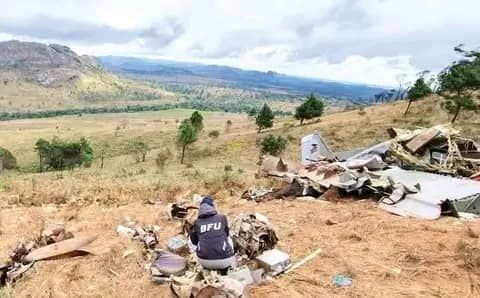
The ongoing parliamentary inquiry into the Chikangawa plane crash is a matter of immense national importance.
It is one of the most significant investigations in Malawi’s recent history, and for that reason it deserves to be handled with patience, professionalism, and respect for due process.
As citizens, we all want answers, but those answers should come from the legally mandated inquiry rather than from speculation.
In my view, it is still too early for individuals who are not members of the parliamentary committee to make definitive public pronouncements about the investigation.
While everyone has the constitutional right to express an opinion, there is a clear distinction between asking legitimate questions and presenting personal theories as established facts before the inquiry has concluded.
The parliamentary committee was established to gather evidence, interview witnesses, and examine all relevant information surrounding the Chikangawa plane crash.
Its members have the legal responsibility to conduct their work independently and present their findings based on evidence rather than public pressure or social media commentary.
It is therefore disappointing to see some public figures commenting in ways that appear to reach conclusions before the committee has completed its work.
Among them is Centre for Democracy and Economic Development Initiatives (CDEDI) Executive Director Sylvester Namiwa, who has publicly shared his views on the matter. Although he is entitled to his opinion, it would be more prudent to allow the committee to complete its investigation before drawing firm conclusions.
Premature statements have the potential to mislead the public, influence witnesses, and create unnecessary confusion. They can also undermine public confidence in the investigative process by giving the impression that the outcome has already been determined before all evidence has been examined.
Authorities should also take seriously the spread of misinformation and unverified claims surrounding the investigation. Freedom of expression is an important constitutional right, but it carries the responsibility of ensuring that allegations presented to the public are supported by credible evidence.
Reckless speculation serves neither the victims nor the country.
Another individual whose public statements have attracted attention is Joshua Chisa Mbele.
Through his Facebook posts, he appears to suggest that he possesses information relevant to the plane crash investigation. If he indeed has evidence that could assist investigators, the appropriate place to present it is before the parliamentary committee rather than on social media.
The committee should therefore consider inviting anyone who claims to possess relevant information, including Mbele, to testify under oath and provide evidence supporting their public assertions.
This would allow the committee to assess the credibility of such claims through an official and transparent process.
The Chikangawa plane crash claimed the lives of Vice-President Saulos Klaus Chilima and eight other people, making it one of the country’s most tragic aviation disasters.
Given the magnitude of the loss, Malawians deserve a thorough, impartial, and evidence-based investigation that establishes the facts and, where necessary, recommends measures to prevent similar tragedies in the future.
Ultimately, the nation will be best served by allowing the parliamentary committee to complete its work without unnecessary interference or premature conclusions.
Patience, respect for due process, and reliance on verified evidence should guide public discourse.
Only when the committee presents its final report will Malawians be in a better position to assess the findings and hold the appropriate individuals accountable if necessary.