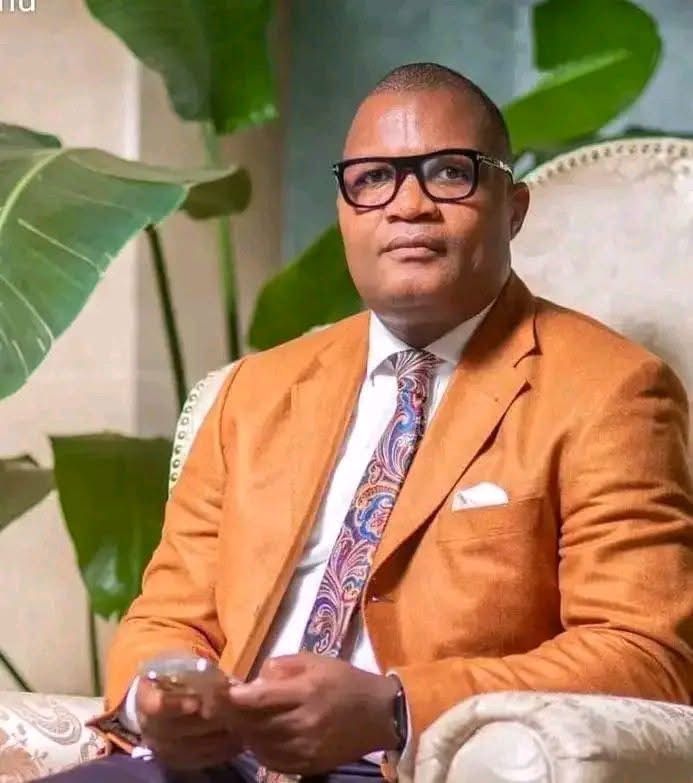
By Durell Namasani
There are voices that shape a nation. Voices that hold power to account, that refuse to flinch when the questions get uncomfortable. Brian Banda possessed such a voice. For years, it travelled through Malawi’s radios and television screens—questioning, challenging, pushing people to explain themselves. On Saturday, 8 August 2026, that voice fell silent.
Banda died at Mwaiwathu Private Hospital in Blantyre after what has been described as a “short illness”. He was 45. Barely five months into his tenure as Director General of the Malawi Broadcasting Corporation (MBC)—a position he assumed in March 2026—he was gone. And with him went any chance of answers, unless we demand them now.
A Life Lived in the Crosshairs
To understand why Banda’s death cannot simply be filed away as another tragedy, one must understand the man. He was a journalist who made politicians uncomfortable. He was a nightmare to those in power precisely because he knew how to pursue an answer, not merely ask a question.
But Banda’s journey was also marked by a complex and divided political loyalty that earned him enemies across the spectrum. He served as press officer for former President Joyce Banda, later held the same role under President Lazarus Chakwera, and was eventually dismissed from that position—leading to the government being ordered to pay him K103 million for constructive dismissal. His appointment as MBC Director General was met with immediate controversy; the Office of the Ombudsman launched an investigation into his recruitment following allegations of procedural irregularities.
When a man with that profile dies suddenly, the word “coincidence” feels dangerously naive.
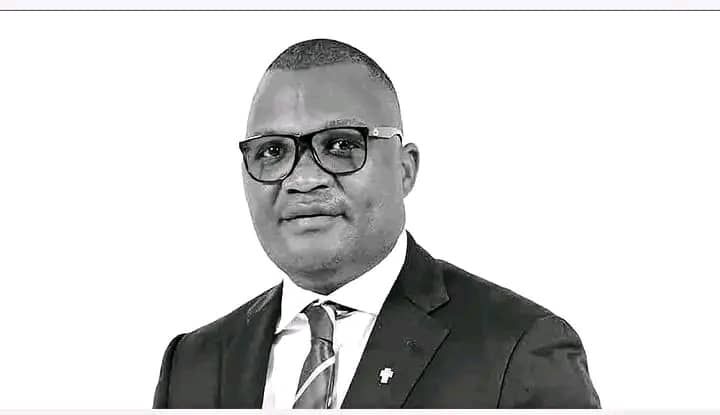
The Convenience of a “Short Illness”
We are told he died after a short illness. His sister revealed that Brian first complained of vomiting early in the week, was diagnosed with malaria, and deteriorated sharply after dinner on Friday before passing the following morning. Malaria is common in Malawi. Short illnesses happen.
But short illnesses can also be the aftermath of poisoning. And Brian Banda had no shortage of enemies in the political strata. His appointment as DG was not welcomed by all; some believed he wasn’t loyal enough to President Peter Mutharika. In a country where political loyalties shift like sand, Banda had navigated treacherous waters—and not everyone was pleased to see him at the helm of the national broadcaster.
The speed of the funeral arrangements has raised eyebrows. Banda died on Saturday, 8 August, and was laid to rest on Monday, 10 August. Rapper and social media influencer Jolly Bro (JB) publicly urged the family to conduct a private autopsy before burial, writing: “CHONDE AKUBANJA! OSALOLA THUPI LA MALEMU BRIAN BANDA KULOWA M’MANDA OPANDA KUPANGA PRIVATE AUTOPSY”—urging the family not to let his body be buried without a post-mortem examination. One Facebook user echoed the sentiment: “Why are they rushing things? Something needs to be investigated.”
The Luxury of Moving On
Malawians have a tendency to move on fast. We mourn, we bury, we return to our lives. Brian Banda has already been laid to rest. Tributes have been paid. Politicians have expressed their sorrow. The media has moved to the next headline.
But moving on is a luxury we cannot afford when a man of Banda’s stature dies under circumstances that invite more questions than answers. The family could have conducted a private post-mortem—and perhaps they still can. But I would push further: the authorities owe it to the nation to conduct a formal inquiry into Brian Banda’s death.
This is not about paranoia. It is about accountability. It is about sending a message that the lives of those who hold power to account matter—that their deaths will not be casually dismissed as “short illnesses” when the circumstances demand scrutiny.
A Legacy That Deserves the Truth
Banda was a man who spent his life giving Malawi the news. Now he has become the news. The disbelief that greeted his passing—“I think am dreaming, please wake me up, noo,” one mourner wrote—reflects a nation struggling to accept the suddenness of it all.
But grief without inquiry is incomplete. It leaves room for suspicion, for speculation, for the quiet whispers that will follow this story for years. Brian Banda deserved better in life. He deserves better in death. He deserves the truth—not just for his family, not just for his colleagues, but for a nation that owes him that much.
An icon like Brian Banda can never go uninvestigated. To do so would be to betray everything he stood for.