

By Linda Kwanjana
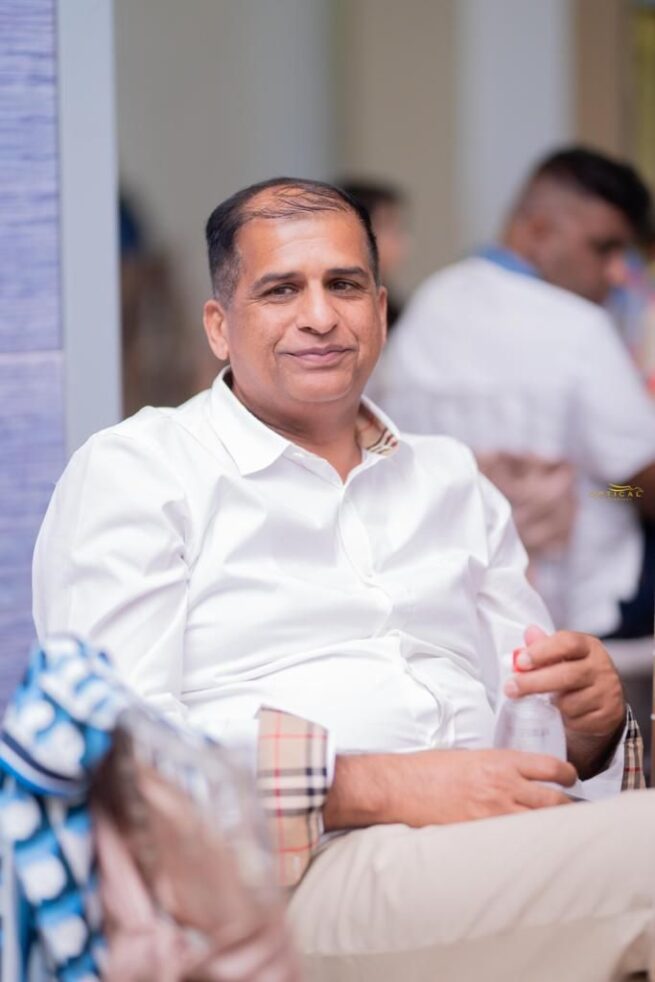
Pressure is intensifying on controversial businessman Mahmood Azhar Chaudhry after he allegedly lied under oath in court by claiming he was a Pakistan diplomat in Malawi, with human rights activists urging authorities to expedite his prosecution for perjury.
Private prosecutors have already sought consent from the Director of Public Prosecutions (DPP) to pursue the case, but the DPP is yet to grant approval.
Court records show that in several High Court cases involving business disputes, Chaudhry repeatedly claimed diplomatic status as a consular representative of Pakistan, a claim the Ministry of Foreign Affairs dismissed in 2022 as false.

Court records show that he lied in a sworn statement which was submitted in court that he is a diplomat.
Human rights activist Chonze Nkhalango said the delay in prosecuting Chaudhry despite overwhelming evidence reflects dangerous impunity.
“The man kept claiming in court that he was a diplomat, yet the Ministry of Foreign Affairs made it clear he was not. This undermines authorities at the highest level. He needs to face the law,” Nkhalango said.
Activist Wongani Namchiswe echoed the concern, describing it as unacceptable that Chaudhry is evading accountability for a serious offence.
“He needed to be prosecuted as early as yesterday; and if that cannot be done, get him deported. This man has done more harm to this nation, including dubious land transfers into his family’s Malhi Trust,” Namchiswe said.
Namchiswe further alleged that Kumakoka Trading Company, a firm that received over K523 million in upfront payments from the Ministry of Energy for the Malawi Rural Electrification Programme (MAREP) but failed to deliver goods, is linked to Chaudhry. He said Chaudhry admitted in court that the company was his proxy.
The Attorney General (AG) is already pursuing civil action to recover more than K1.4 billion from Kumakoka Trading and two other firms, though Grant Kaseko is listed as Kumakoka’s owner.
Civil society groups, led by the Human Rights Consultative Committee (HRCC), recently demanded that Chaudhry be stripped of his Malawian citizenship, arrested, and deported to Pakistan. HRCC chairperson Robert Mkwezalamba accused him of fraudulently posing for years as a consular representative despite the ministry’s 2022 clarification that he never held diplomatic status.
The ministry confirmed that the identity card issued to him did not confer any privileges or immunities under Malawi law. Yet Chaudhry erected a signpost declaring his Blantyre residence the “Pakistan Consulate” and drove vehicles bearing diplomatic plates reserved for accredited envoys.
Michael Kaiyatsa of the Human Rights Defenders Coalition (HRDC) said misuse of diplomatic symbols is a criminal offence under the Penal Code.
“If revocation of citizenship and deportation were not pursued, at the very least prosecution for lying to public officers should have followed. Instead, government’s silence has emboldened impunity. We demand action,” he told the media.
Civil society leaders warned that continued inaction risks eroding public trust and emboldening further abuses. Governance experts have also insisted that deportation would send a strong signal of zero tolerance for fraudsters.