National Bank of Malawi (NBM) plc has launched Banknet360, a new internet banking platform designed to provide customers with faster, more secure and convenient digital banking services as part of the bank’s ongoing digital transformation agenda.
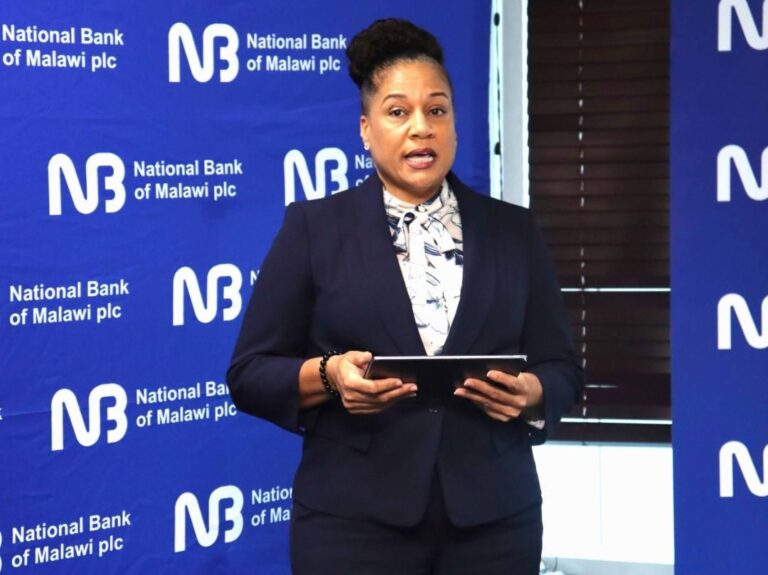
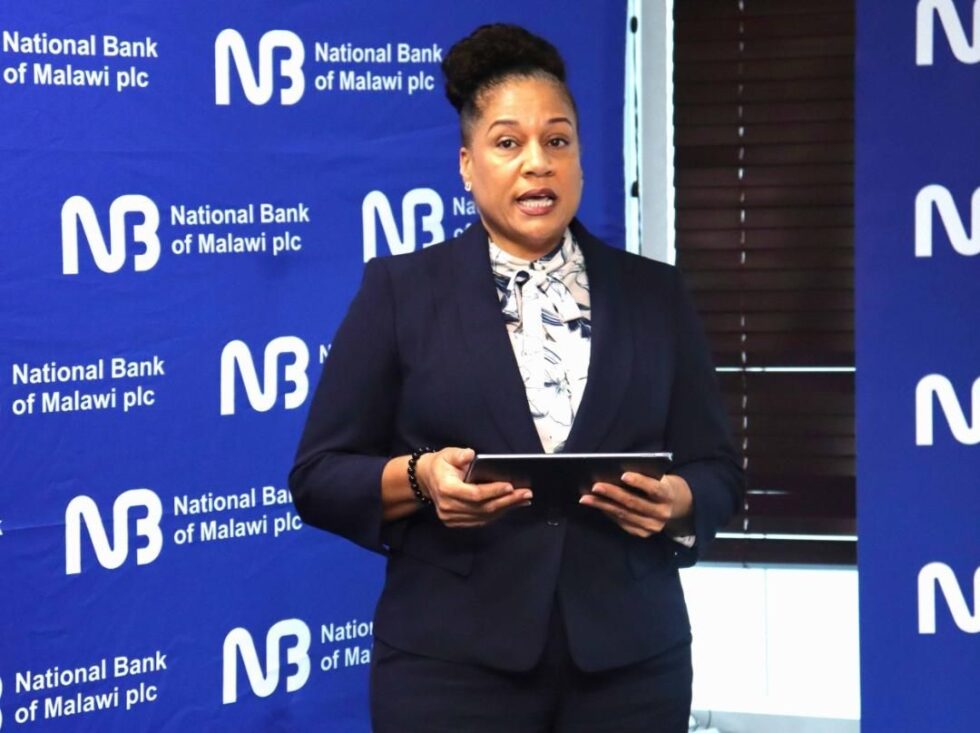
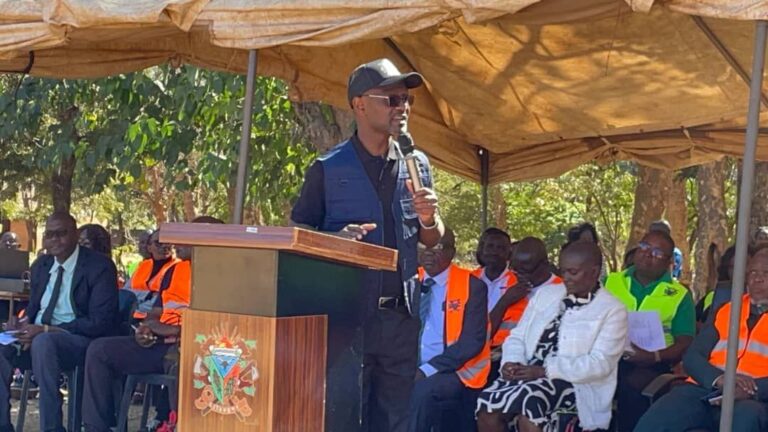
Speaking during the launch on Wednesday, NBM plc Mobile and e-Money Services Manager, Enala Chirwa said the new platform marks a significant milestone in the bank’s commitment to delivering innovative, customer-centred banking solutions that meet the demands of an increasingly digital society.
“The new platform introduces several advanced features aimed at improving customer experience, including a customizable dashboard, personal finance management tools, enhanced self-service capabilities, real-time transaction visibility, and integrated digital loan access and repayment services,” said Chirwa.
Enala Chirwa
She said that NBM plc has been a pioneer in digital banking in Malawi, having introduced Internet Banking in 2004, making it one of the first financial institutions in the country to embrace digital banking services.
“This new upgrade represents the third major enhancement of the BankNet360 platform and has been designed to respond to changing customer expectations,” she said.
She added that one of the key innovations is the introduction of instant self-registration for retail customers, eliminating the need to visit a branch or complete physical paperwork.
“Retail customers can now register themselves instantly online from the comfort of their homes or offices. By validating their account details through a secure automated process, they can gain access to the platform within minutes,” explained Chirwa.
Chirwa emphasized that security remains a top priority in the upgraded platform.
“The new BankNet360 incorporates enhanced security protocols that meet internationally accepted standards and best practices. Our commitment is to ensure that customers can bank securely and with complete peace of mind,” she said.
She further said that the bank has established various support channels, including its Contact Centre accessible by dialling 626, dedicated Digital Financial Services teams across service centres nationwide, and trained customer support staff to assist users with onboarding and navigation.
Commenting on the development, Bankers Association of Malawi (BAM) Chief Executive Officer Lyness Nkungula said the upgrade is in line with international best practices and reflects Malawi’s preparedness to adopt modern banking solutions that meet changing customer needs
“The development carries wider significance for the industry and the country’s economic direction. NBM plc is not only improving customer experience but also supporting Malawi’s national agenda of transitioning toward a cashless economy. Such innovations reduce reliance on physical cash, promote efficiency, and strengthen trust in digital financial services,” said Nkungula.
She explained that the initiative sets a strong example for the sector and highlights the growing role of digital banking in driving inclusive growth and long-term economic progress.
Minister of Local Government and rural Development, Dr Ben Phiri on Wednesday ordered Malawi Police Service to deal with anyone once found throwing garbages from their moving vehicles.
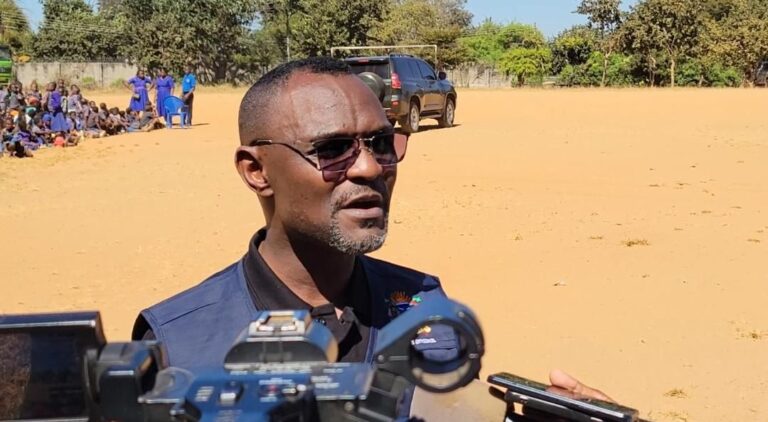
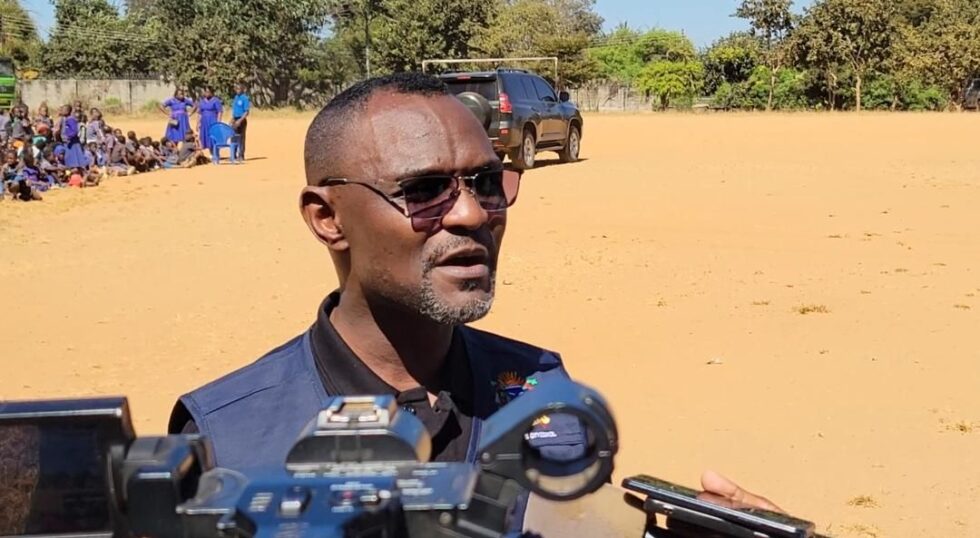
Speaking during the launch of Presidential executive order number 2, on hygiene and sanitation, Dr Phiri said it is sad to note some people deliberately throw things outside their vehicles for no aparent reasons at all.
“Enough is enough lets deal with behavior,” he said.
Phiri also issued a direct challenge to Lilongwe residents to change their mindset on hygiene and take responsibility for waste disposal, saying the capital must match the cleanliness standards set by Blantyre.
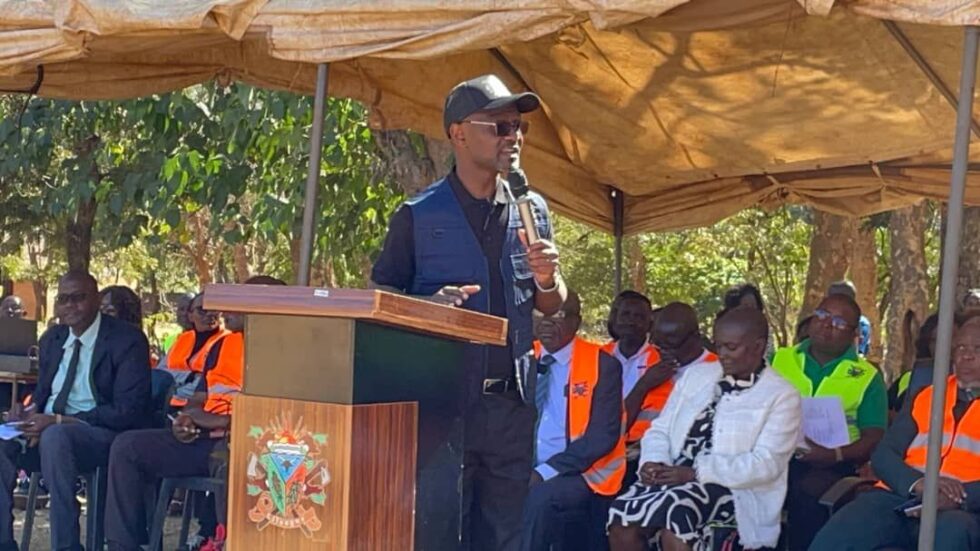
Hon Ben Phiri
Addressing community leaders this morning at Phungu Primary School in Lilongwe, Dr Phiri said Lilongwe’s persistent litter, clogged drains, and poorly managed waste were undermining public health and economic growth. He argued that floods, disease outbreaks, and lost investment opportunities trace back to a culture that treats cleanliness as government’s job alone.
He said Lilongwe is not looking smart as Blantyre because people here throw garbages any how , this must stop.
“Our mindset has to change,” Dr Phiri told the gathering. “We cannot keep waiting for someone else to clean our streets, our markets, our neighborhoods. If Blantyre can do it, Lilongwe can do it better.”
The minister pointed to Blantyre as proof that community discipline works.
He said residents there have embraced morning cleanups, proper waste segregation, and mutual accountability, changes that are now visible across the city’s streets and trading areas.
Dr Phiri urged Lilongwe households to begin reforms at home by reducing disposable packaging, separating organic waste from recyclables and general refuse, and keeping bins covered to prevent pests and odors.
He promoted home composting of kitchen and garden waste as a practical way to cut landfill pressure while producing fertilizer for urban gardens. He also warned that medical and sanitary waste such as syringes and diapers must be sealed in bags and disposed of according to council guidelines.
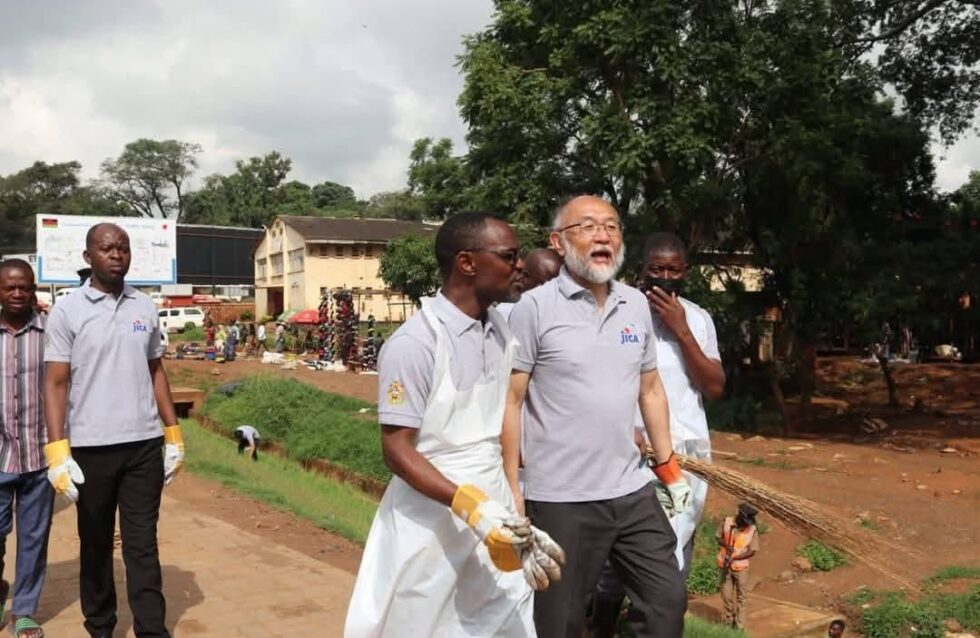
At the community level, he called for organized monthly cleanup exercises supported with gloves, bags, and coordinated disposal routes.
He proposed shared composting hubs and central drop-off points for recyclables where individual households lack space.
The minister further stressed the need for sustained awareness through posters, school programs, and digital platforms to teach children that littering is not normal. He encouraged residents to support small recycling enterprises that turn waste into income while keeping streets clean.
On civic duty, Dr Phiri asked citizens to familiarize themselves with Lilongwe City Council bylaws on bin placement and collection schedules, and to report illegal dumps, overflowing bins, and missed collections through municipal hotlines.
He urged attendance at council meetings to push for more trucks, bins, and modern recycling facilities. He also called for stronger partnerships between government, non-governmental organizations, and the private sector to introduce machinery and waste-to-energy plants.
Closing with a safety appeal, the minister advised all participants in cleanup activities to wear gloves and closed shoes, avoid handling sharp objects, and protect water sources by keeping waste out of rivers, drains, and wells.
“I want Lilongwe to be clean. Not for me, but for our children, for visitors, for ourselves,” Dr Phiri said. “Clean Lilongwe starts with us.”
Lilongwe City Council Mayor , Alex Banda who was also present at the meeting said they would work with ward councilors and community development committees to coordinate upcoming cleanup drives and improve waste collection logistics.
He commended the Minister for championing cleanliness in accordance with Executive order number 2 of President Peter Mutharika.
Member of Parliament for the area Gift Nankhuni pledged to support the initiative.
Tensions flared at Sherwood Hall in Durban, South Africa, after police reportedly fired teargas and stun grenades during a confrontation involving Malawian nationals and immigration officials.
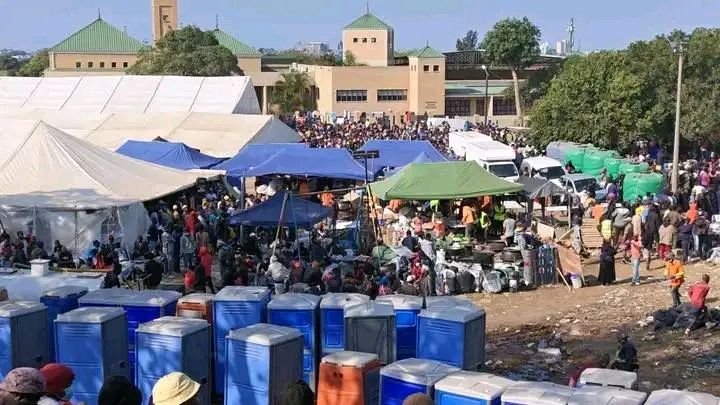
The incident occurred at the hall, which has been serving as a temporary shelter for thousands of Malawians who fled their homes amid fears of attacks by anti-immigration groups in parts of Durban.
Witnesses said the situation escalated when immigration officials arrived at the venue to conduct operations related to the verification of immigration documents and the status of those staying at the shelter.
According to reports from the scene, some Malawians resisted the exercise, leading to a heated standoff between the migrants and authorities.
Police were subsequently called in to restore order and disperse crowds as tensions continued to rise around the facility.
Law enforcement officers responded by deploying teargas and stun grenades, forcing many people to flee from the area in panic.
Videos circulating on social media showed chaotic scenes as men, women and children scrambled for safety while smoke engulfed parts of the shelter premises.
No immediate reports of serious injuries were available, although several people were said to have suffered minor effects from the teargas exposure.
The developments have heightened anxiety among Malawians staying at Sherwood Hall, many of whom have been seeking protection following threats and fears linked to anti-immigrant sentiment.
Authorities are yet to release a comprehensive statement on the incident, while community leaders have called for calm and dialogue to address concerns surrounding the welfare and legal status of the displaced Malawians.
Malawian music star Driemo has made history by becoming the country’s first solo artist to reach 20 million views on YouTube with a single music video after his hit song Joker achieved the milestone just five months after its release.
The achievement marks a significant moment for Malawi’s music industry, highlighting the growing influence of local artists on digital platforms and demonstrating the global appeal of Malawian music.
Since its release, Joker has enjoyed massive popularity among music lovers both within Malawi and abroad, attracting millions of viewers and generating widespread discussion across social media platforms.
The song’s success has been attributed to its catchy melody, relatable lyrics and high-quality production, factors that have helped it maintain strong viewership months after its debut.
Industry observers have described the milestone as a breakthrough for Malawian music, noting that reaching 20 million views on YouTube is a feat rarely achieved by artists from the country.
Driemo’s accomplishment is expected to inspire upcoming musicians to embrace digital platforms as a way of expanding their audiences beyond Malawi’s borders.
The singer has consistently established himself as one of the country’s most influential artists, producing a string of hit songs that have dominated airwaves and streaming platforms in recent years.
Fans have flooded social media with congratulatory messages, celebrating the historic achievement and praising the artist for raising Malawi’s profile on the international music scene.
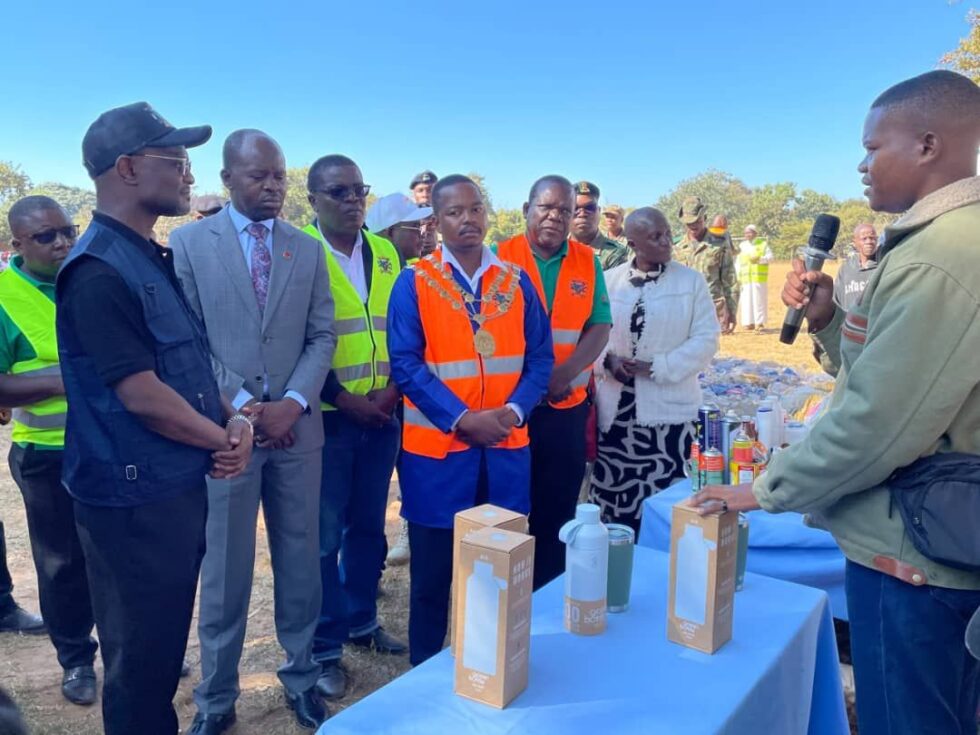
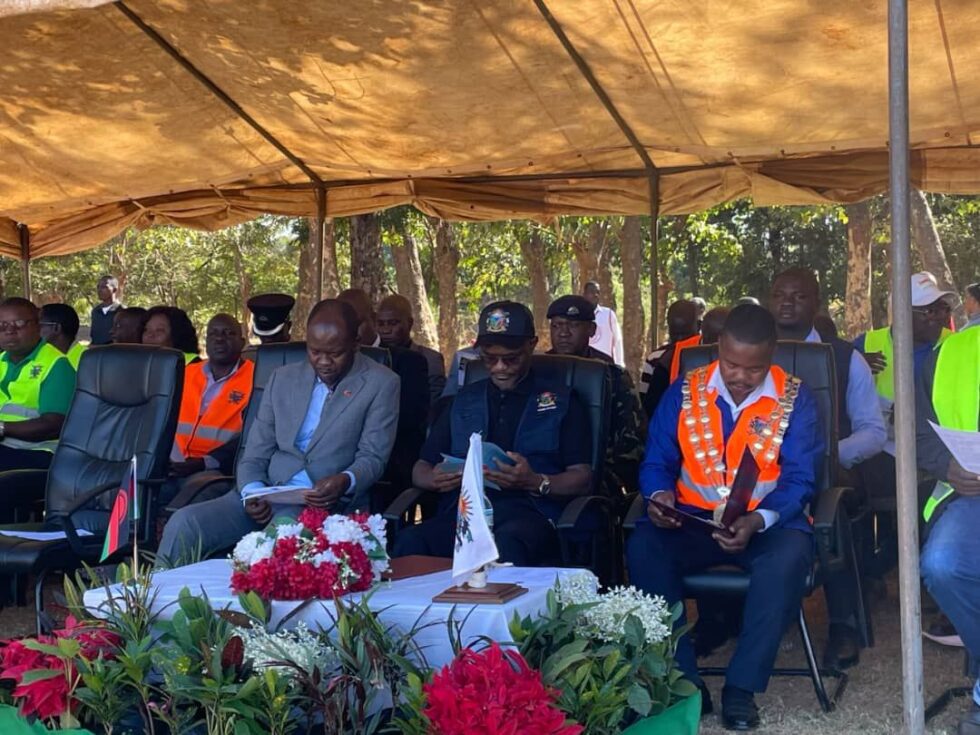
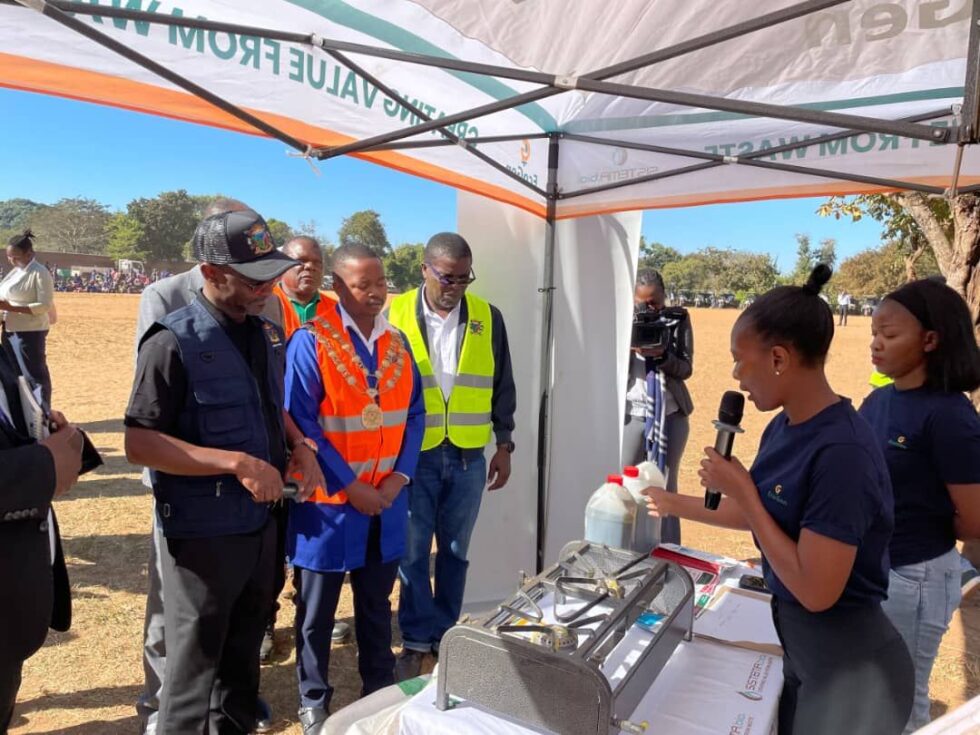
Lilongwe City Council grounds became a rallying point for sanitation and service delivery on 17th June 2026 as Hon. Dr. Ben Phiri, Minister of Local Government, officially launched Presidential Executive Order No. 2, signaling that government talk on waste management has ended and action has begun.
Addressing dignitaries that included Hon. Madalitso Baloyi Minister of Health and Sanitation, Principal Secretary Mr. Dingiswayo Jere, Lilongwe City Mayor Councilor Peter Alex Banda, Chief Executive Officer Mr.Clement Stambuli, and chairpersons of the Lilongwe Vendors Association, Dr. Phiri framed the event not as ceremony but as a challenge to every Malawian.
“I take this function as a challenge which Lilongwe City Council is taking to implement the Executive Order Number 2 issued by His Excellency the President Professor Arthur Peter Mutharika,” he said, making clear that the Order is now part of the law and must be treated with the seriousness it deserves.
Dr. Phiri, widely regarded as a man of action, wasted no time moving from words to directives.
He reminded the gathering that the Presidential Executive Order was issued pursuant to the Constitution of the Republic of Malawi which recognizes the need to safeguard public health and protect the right to life by tackling sanitation challenges that fuel waterborne diseases.
The Order directs the provision and maintenance of waste disposal facilities in public places, schools, workplaces, recreation facilities and venues for public gathering.
Hon Ben Phiri
It is this hands-on approach that has earned him praise across government circles. Under Malawi Public Health legislation, he stressed, waste management is a shared duty.
The public is legally responsible for proper waste storage, disposal and hygiene, and indiscriminate dumping is an offense under both the Public Health Act and Executive Order No. 2 of 2026.
“This therefore is not just simply a talk show but legal direction and regulation. We therefore need to implement this, all of us, for the benefit of us all,” he declared, drawing applause for his firm but humble tone.
The minister’s empathy for ordinary citizens came through as he reflected on decades of neglect.
“For so long the general public have considered sanitation issues not a priority, and little attention without attached responsibility was given to it,” he said, noting how carelessly stakeholders and citizens have treated waste, either through action or inaction.
He called the launch a critical milestone because it touches on Malawi 2063’s key enabler of mindset change.
That mindset shift, he argued, cannot be achieved by government alone.
“As mentioned by His Worship, the Mayor, we need to join hands as all stakeholders, ranging from government, private sector, business community and the general public,” he urged.
True to his reputation as a hard worker, Dr. Phiri revealed that his ministry has already drafted guidelines to guide implementation and expects Lilongwe City Council to coordinate and oversee swift execution by all relevant stakeholders within the city jurisdiction.
To schools and workplaces he issued a direct instruction: ensure provision and maintenance of waste disposal facilities within the surroundings of their premises. To stakeholders in sanitation he demanded priority for sanitation facilities in programs and projects, plus more advocacy to the public.
To the business community he said responsibility must be taken to provide waste receptacles and working toilets with running water in business premises.
In a move that underscored his servant-hearted leadership, Dr. Phiri paused the sanitation agenda to recognize humanitarian work.
Speaking on a very different note, Dr. Ben Phiri paused his sanitation message to address the pain of Malawians trapped in South Africa by xenophobic attacks.
With genuine concern in his voice, he told the rally that he felt deep sorrow for the sons and daughters of Malawi facing that ordeal, and asked God to give them hope and courage until they are safely home.
The Minister then turned to thank Prophet Shepherd Bushiri for a noble act of compassion, praising him for sending ten buses to South Africa to ferry stranded Malawians back home.
Dr. Phiri said Bushiri had set a very good example and called on other Malawians, companies, and especially religious institutions to follow suit in supporting the repatriation effort.
“I stand here today to thank Prophet Shepherd Bushiri for his kindness in helping government bring back our brothers and sisters stranded in South Africa. He has set a very good gesture, and I call on all Malawians, our banks, companies, and religious institutions to follow his example.This task is too important to be left to government alone. If we all come together and use our resources, we can bring our people home quickly. The future of Malawi depends on the decisions we make as one nation,” Said Phiri.
He closed with a patriotic charge: “Malawi’s future depends on Malawians’ decisions.” With that, he declared Executive Order No. 2 officially launched in Lilongwe and instructed the City Council to monitor implementation once every month, calling on all key stakeholders to support the program.
“Thank you all,” he said, in the modest style that has made him popular among staff and citizens alike.
In a separate interview, a senior government official described Dr. Phiri as a minister who means business.
“Malawi minus politics has never had a local government minister like Ben Phiri. He is exceptional in his own works of serving Malawi. He is humble, works tirelessly, and truly serves the nation through his ministry,” the official said, full of praise for the minister’s work ethic.
Another minister who opted for anonymity echoed the sentiment: “I admire Ben Phiri. He is cool but a hard working minister. He doesn’t shout, he delivers.”
The vision behind the launch, Dr. Phiri repeatedly noted, belongs to President Professor Arthur Peter Mutharika, whose commitment to sanitation was earlier demonstrated through Global Fund support of waste collection vehicles for city councils witnessed at Bingu International Conference Centre.
“Malawi is blessed to have ministers like Ben Phiri and visionary leadership from President Peter Mutharika,” said one council official at the event.
As Lilongwe moves to enforce waste management law street by street, Dr. Phiri’s message was clear: sanitation is not charity, it is duty, and his watch, duty will be done.