By Burnett Munthali
Growing pressure on Malawi’s water systems is leaving many households struggling to secure reliable access to clean water, exposing the widening gap between rising demand and the country’s ability to provide adequate supplies to urban communities.
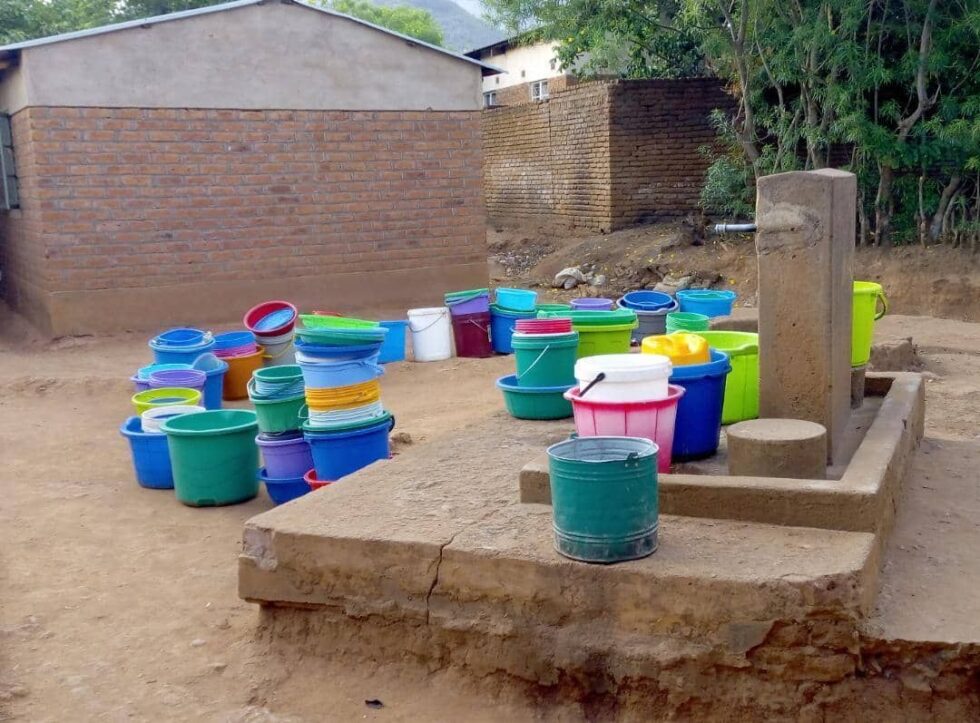
The situation is particularly concerning in Lilongwe, where rapid population growth, ageing infrastructure and environmental pressures are placing additional strain on existing water resources. In some communities, prolonged interruptions have left residents searching for alternative sources to meet basic household needs.
For affected families, water shortages are more than an inconvenience. Residents can spend hours looking for alternative supplies, while households without access to private sources face difficult choices over water for drinking, cooking, sanitation and other essential activities.
The crisis also presents a public-health concern. Limited access to safe water and adequate sanitation can increase exposure to waterborne diseases, particularly in densely populated areas where residents have few alternatives.
Environmental degradation is adding to the pressure. The loss of forests and deterioration of water catchment areas can reduce the ability of ecosystems to retain and replenish water resources, increasing vulnerability during periods of drought and low rainfall.
Malawi has experienced severe water shortages in the past, with some communities forced to travel long distances to boreholes and other sources. Falling groundwater levels can also affect boreholes, reducing their output or rendering some sources unusable.
Major infrastructure investments could help address the supply gap. The Salima–Lilongwe Water Supply Project is intended to increase the volume of water available to Lilongwe and surrounding communities by drawing supplies from Lake Malawi.
However, expanding infrastructure will need to be accompanied by stronger environmental protection and better management of existing systems. Protecting forests and catchment areas, maintaining water networks, reducing losses and improving long-term water planning will all be critical.
The continuing problem of dry taps should therefore be viewed as a broader development warning rather than simply a household inconvenience. As Malawi’s population grows and environmental pressures intensify, securing reliable access to water will require sustained investment, effective management and long-term planning.