By Rick Dzida
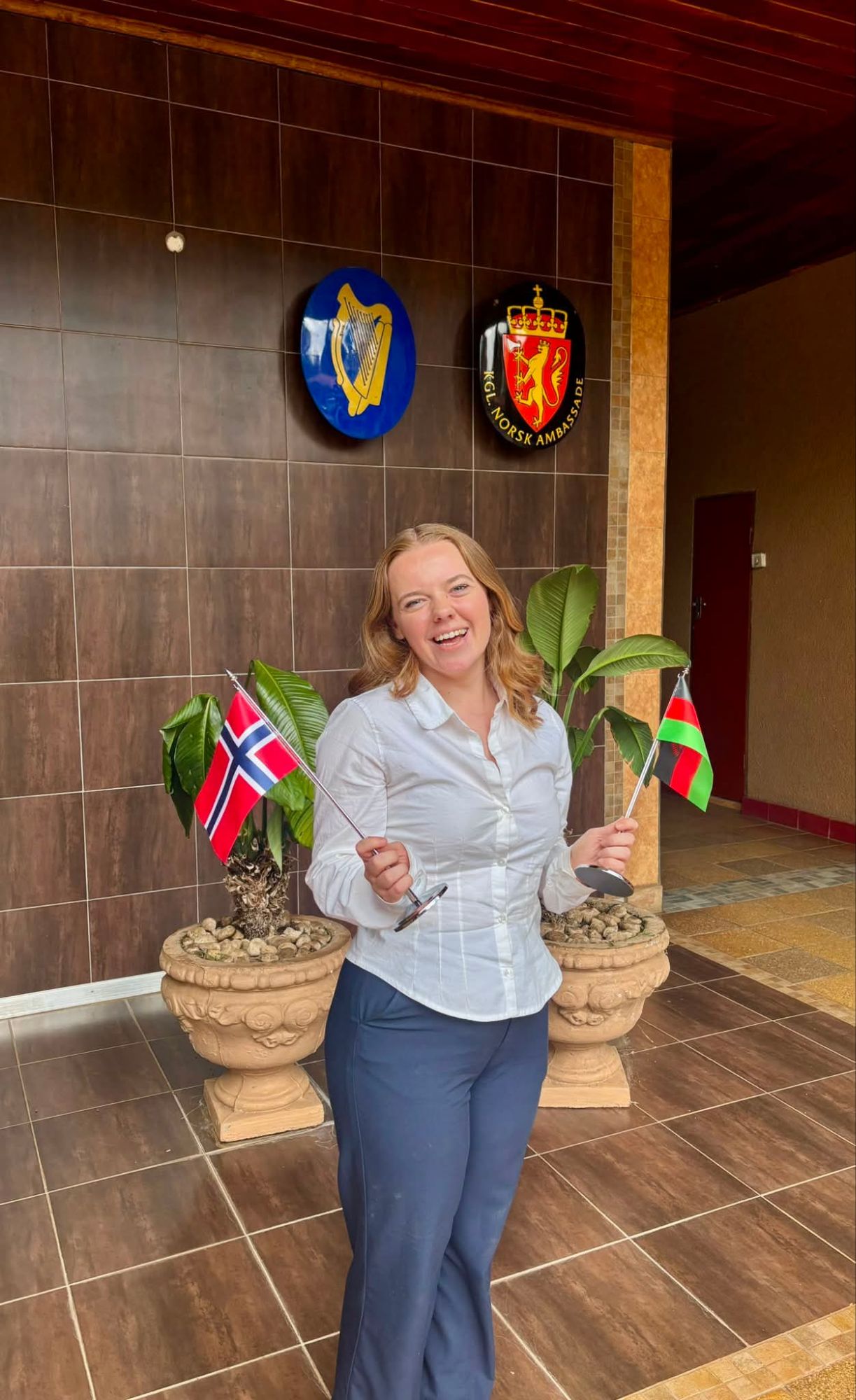
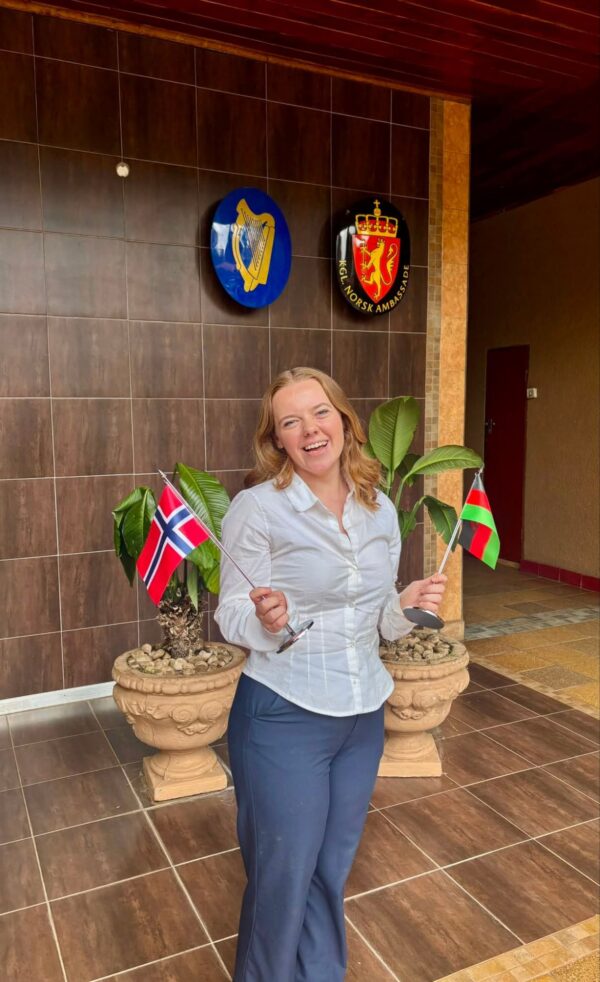
The diplomatic grapevine is absolutely sizzling! The Norwegian Government dropped a massive bombshell by announcing the closure of its embassy in Lilongwe, Malawi by July 2027, while simultaneously opening a shiny new diplomatic mission in Doha, Qatar.
Norwegian Foreign Affairs Minister Espen Barth Eide put on his best serious face, citing a massive shake-up under a reform called Prosjekt Vendepunkt.
Oslo claims Europe is facing the most serious security policy situation since the Second World War forcing them to consolidate resources and adapt to global instability. For Qatar, the official word is expanding a long-standing business partnership and boosting Norwegian exports.
Let’s call it what it is: Cash is king, and aid fatigue is real. Norway is pivoting from an aid-dependent relationship to a profit-driven trade relationship.
In fact, Qatar offers massive investment potential, sovereign wealth funds, and immense regional clout in the Gulf.
Malawi, unfortunately, remains trapped in a cycle of needing financial aid rather than offering lucrative trade exports. When global budgets tighten, commercial interests win over charity.
Malawi simply didn’t transition fast enough from a traditional aid recipient to an equal economic partner. The country’s slow economic growth, lack of export diversification, and persistent governance issues dried up Oslo’s long-term patience.
Anyway, what does Malawi lose? Economically, this is a financial bloodbath.
The embassy closure puts a NOK 500 million (roughly K93 billion) annual aid stream in jeopardy.
While Norway says funding will shift to multilateral channels like the United Nations, the direct, flexible tap for local healthcare, education, agriculture, and good governance programs is effectively being turned off.
Diplomatically, Malawi loses direct, high-level bilateral access to one of the world’s most progressive and wealthy nations.
Future diplomatic ties will be handled remotely by a neighbouring regional embassy, pushing Malawi further down Norway’s priority list.
Does the Norway’s pull out auger well with the current regime? For Peter Mutharika, who is actively looking to project an image of steady economic stewardship ahead of upcoming political cycles, this is a horrific episode.
The exit of a major Western partner like Norway—which historically opened its mission based on a country’s commitment to fight corruption and protect human rights—sends a devastating signal to the international community.
It screams a shattering lack of donor confidence. It telegraphs to other global investors and bilateral partners that Malawi’s economic and political climate is a sinking ship not worth maintaining an expensive physical presence in.
If the Malawi Government wants to stop other embassies from packing their bags, they need to rip up the old playbook immediately.
First, Malawi must aggressively pitch commercial opportunities, green energy potential, and mining sectors instead of just asking for development aid.
Second, Malawi must rebuild international trust by aggressively prosecuting high-level corruption and ensuring strict transparency in how public and donor funds are handled.
Third, the Mkulukutamoyo government must modernize fiscal policies and cut through red tape to make Malawi an attractive, stable environment for foreign direct investment.
Most importantly, Malawi should empower the Ministry of Foreign Affairs to engage remaining bilateral partners with concrete, mutual economic incentives, proving that keeping a physical embassy in Lilongwe yields actual returns.