By Chisomo Phiri
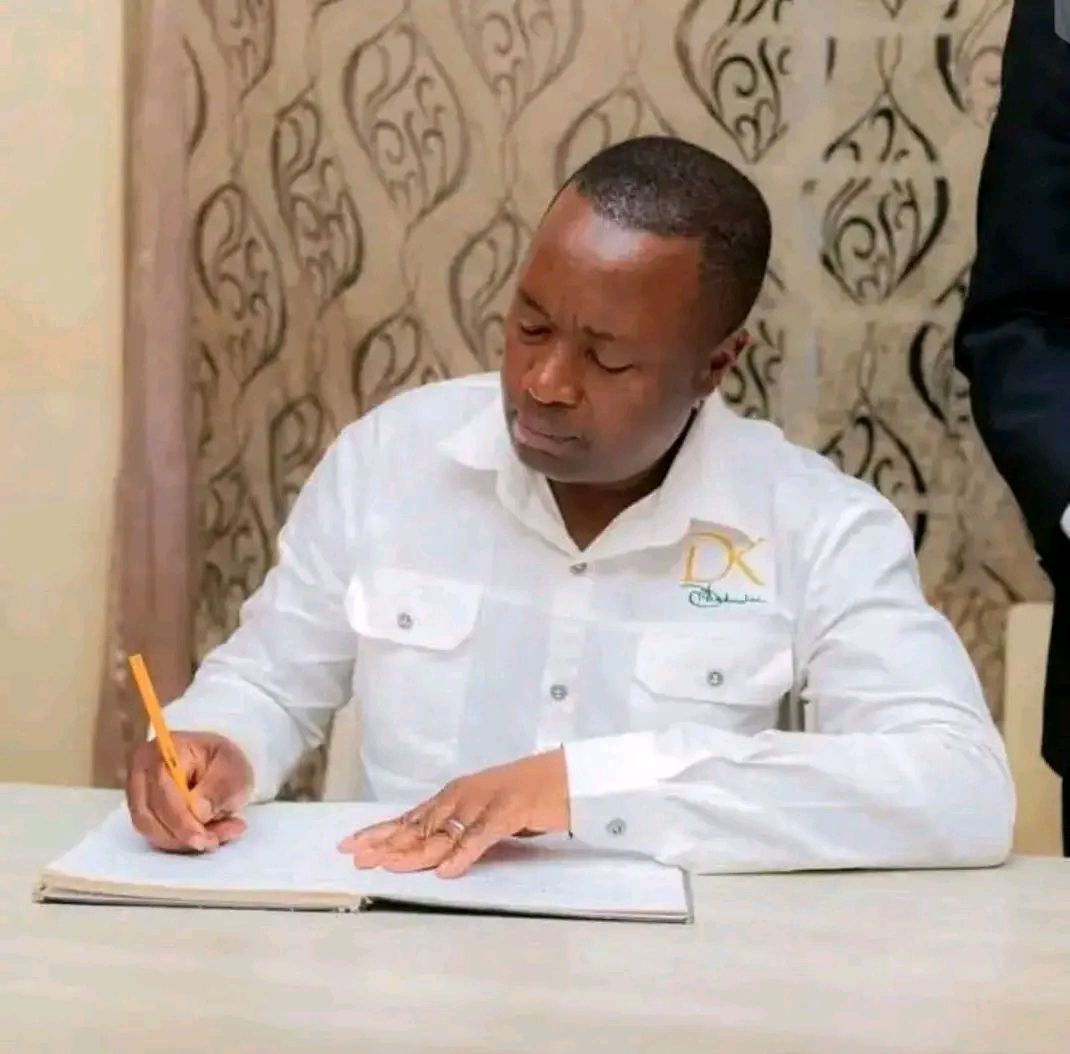
President of the United Transformation Movement (UTM), Dalitso Kabambe, has renewed calls for stronger action against corruption, describing it as one of the biggest obstacles to Malawi’s development.
In an interview with 247 Malawi News,the UTM leader said corruption continues to deprive citizens of quality public services and economic opportunities, despite repeated promises by leaders to fight the malpractice.
He also raised concerns over the effectiveness of Malawi’s democratic institutions, saying many citizens feel the system is no longer serving the interests of ordinary people.
Kabambe said the country’s democracy is built on three key pillars namely the Executive, the Legislature, and the Judiciary which are expected to operate independently to ensure accountability and prevent abuse of power.
However, he questioned whether these institutions are truly functioning independently in practice.
“Instead of independence, we often see interference. Instead of accountability, we see silence. Instead of institutions serving the people, we see systems protecting themselves,” he said.
According to Kabambe, the growing perception that public institutions are failing to serve citizens has contributed to declining trust in government and political systems.
He also criticized political parties for allegedly failing to represent the interests of ordinary Malawians, arguing that many people now view them as platforms benefiting only a select few rather than vehicles for national development.
The former Reserve Bank of Malawi (RBM ) Governor further highlighted concerns over how taxpayers’ money is being used, saying Malawians continue to struggle despite contributing to the country’s economy through taxes.
“Whether you are a vendor, a farmer, a civil servant, or a business owner, you are paying into a system that is supposed to provide better hospitals, better schools, better roads, and real opportunities,” he said.
He pointed to persistent challenges such as shortages of medicines in hospitals, lack of resources in schools, and high levels of youth unemployment as signs that citizens are not receiving value for their contributions.
The UTM president questioned why Malawi continues to face widespread inequality and economic hardship more than 60 years after independence, arguing that the country must confront difficult national questions about governance and development.
He said Malawi is currently at a crossroads and urged citizens to actively participate in shaping the country’s future by speaking out and demanding accountability from leaders and institutions.
Kabambe concluded by encouraging Malawians to engage in honest national dialogue about governance, political representation, and the reforms needed to improve the country.