


By Lyson Swala
Malawians are now bearing the brunt of an economic crisis that continues to make everyday life unbearable, with rising living costs, persistent fuel shortages, foreign exchange constraints, unreliable electricity, unemployment and deteriorating public services putting enormous pressure on households and businesses.
Nearly a year after the Democratic Progressive Party (DPP), under President Peter Mutharika, returned to power, many citizens are still waiting to see meaningful improvements in their economic circumstances.
Instead, the daily struggle to secure basic necessities has become a painful reality for thousands of families.
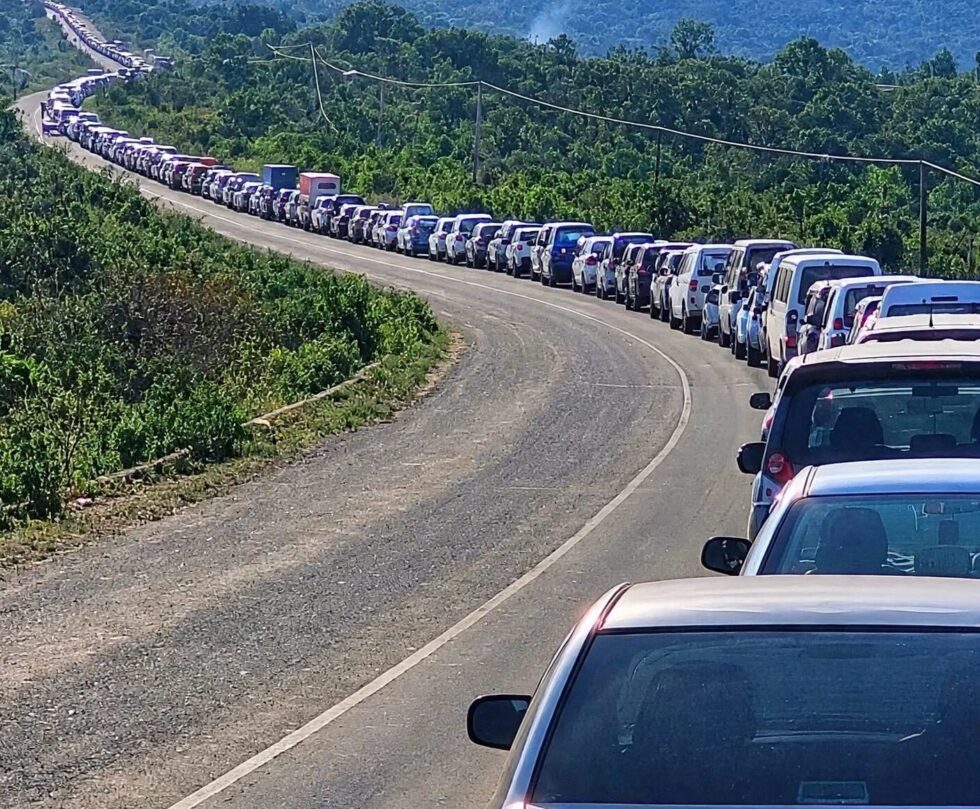
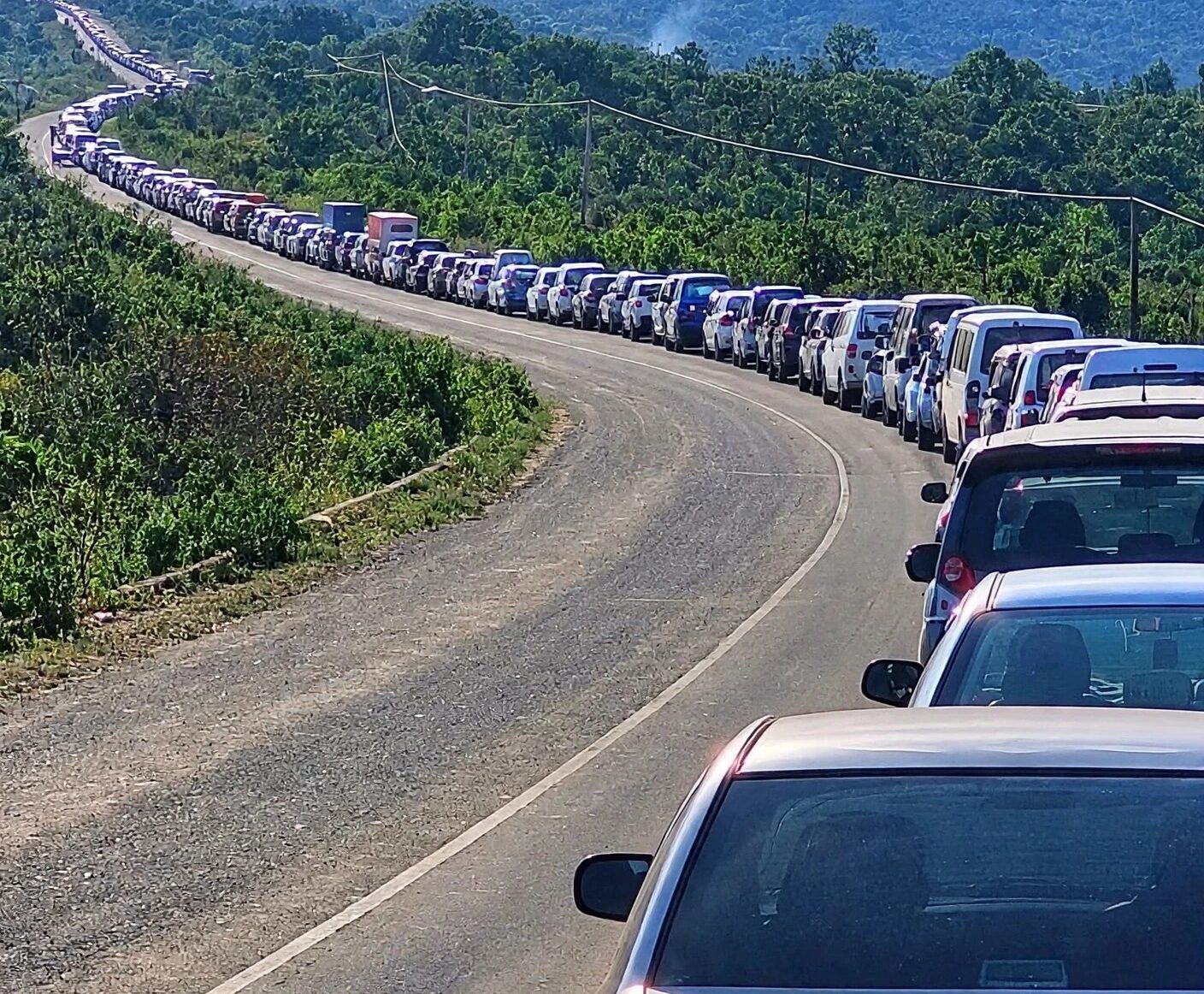
Motorists queueing for fuel in Malawi
For ordinary Malawians, the cost of living has become unbearable. Food prices remain high, transport costs continue to strain household budgets, and basic commodities are becoming difficult to afford for people whose incomes have not increased to match the economic pressures.
Even those in formal employment are finding it difficult to make ends meet, while low-income households are struggling to survive.
The recurring fuel shortages have further exposed the country’s economic vulnerabilities. Motorists continue to endure long queues at filling stations, while transport operators face operational difficulties that ultimately affect commuters and businesses.
Fuel is not simply a commodity for motorists, it is a critical component of economic activity. Its unavailability disrupts agriculture, manufacturing, healthcare, transportation and the distribution of essential goods.
The situation is frustrating because Malawians have repeatedly heard assurances about efforts to stabilise fuel supplies. What citizens need now are consistent supplies and clear explanations about the persistent disruptions, not another round of promises.
Foreign exchange shortages are equally damaging.Businesses are struggling to access the forex required to import raw materials, machinery, medicines and other essential products.
Manufacturers face production challenges, importers encounter delays, and consumers ultimately pay the price through increased commodity costs.
An economy cannot realistically achieve meaningful growth when businesses are unable to access the resources required to operate efficiently.
Unreliable electricity supply is adding another layer of frustration. Small businesses, manufacturers and entrepreneurs are losing productive hours because of power interruptions.
Those who can afford generators must contend with additional fuel expenses, while smaller enterprises are left counting losses.
At a time when Malawi desperately needs job creation and industrial expansion, an unreliable power supply continues to undermine economic productivity.
Unemployment, particularly among young people, remains another serious concern. Thousands of graduates are struggling to secure employment, while many young people are turning to informal activities simply to survive.
The country cannot continue producing graduates without creating an economic environment capable of absorbing their skills and potential.
The pressure is also being felt in public hospitals and other essential services, where inadequate resources can have devastating consequences.
Recent reports of patients facing difficulties accessing emergency referrals because of fuel shortages have demonstrated how economic problems can quickly become matters of life and death.
Meanwhile, Malawi’s public debt continues to constrain government spending, raising questions about fiscal discipline, expenditure priorities and the country’s ability to finance essential development programmes without placing additional pressure on taxpayers and future generations.
The DPP administration must understand that Malawians are not interested in political explanations alone. They want results. They want affordable food, readily available fuel, reliable electricity, employment opportunities, accessible healthcare and an economy that allows them to earn a decent living.
It is fair to acknowledge that President Mutharika inherited an economy facing serious structural challenges. However, inheriting problems cannot become a permanent excuse for failing to demonstrate progress. Governing comes with the responsibility to confront those challenges and provide measurable solutions.
The government must therefore move beyond political rhetoric and demonstrate that its economic recovery plans are producing tangible results.
Malawians deserve transparency about fuel procurement, foreign exchange management, public expenditure and the implementation of policies intended to improve their welfare.
Ultimately, the success of the current administration will not be determined by the number of promises made or policy documents launched. It will be measured by whether ordinary citizens experience a meaningful improvement in their lives.
For now, many Malawians are struggling to survive in an economy that offers them very little breathing space. They voted with expectations of better leadership and improved economic conditions. Those expectations must not be treated lightly.
Malawians are not asking for miracles. They are asking for a country in which working hard can provide a decent life, businesses can operate without constant disruptions, and families can afford their basic needs.
The uncomfortable reality is that ordinary Malawians are being baked by economic pressures, and the government must demonstrate, through action rather than words, that it has a credible plan to ease their suffering.