


By Rick Dzida
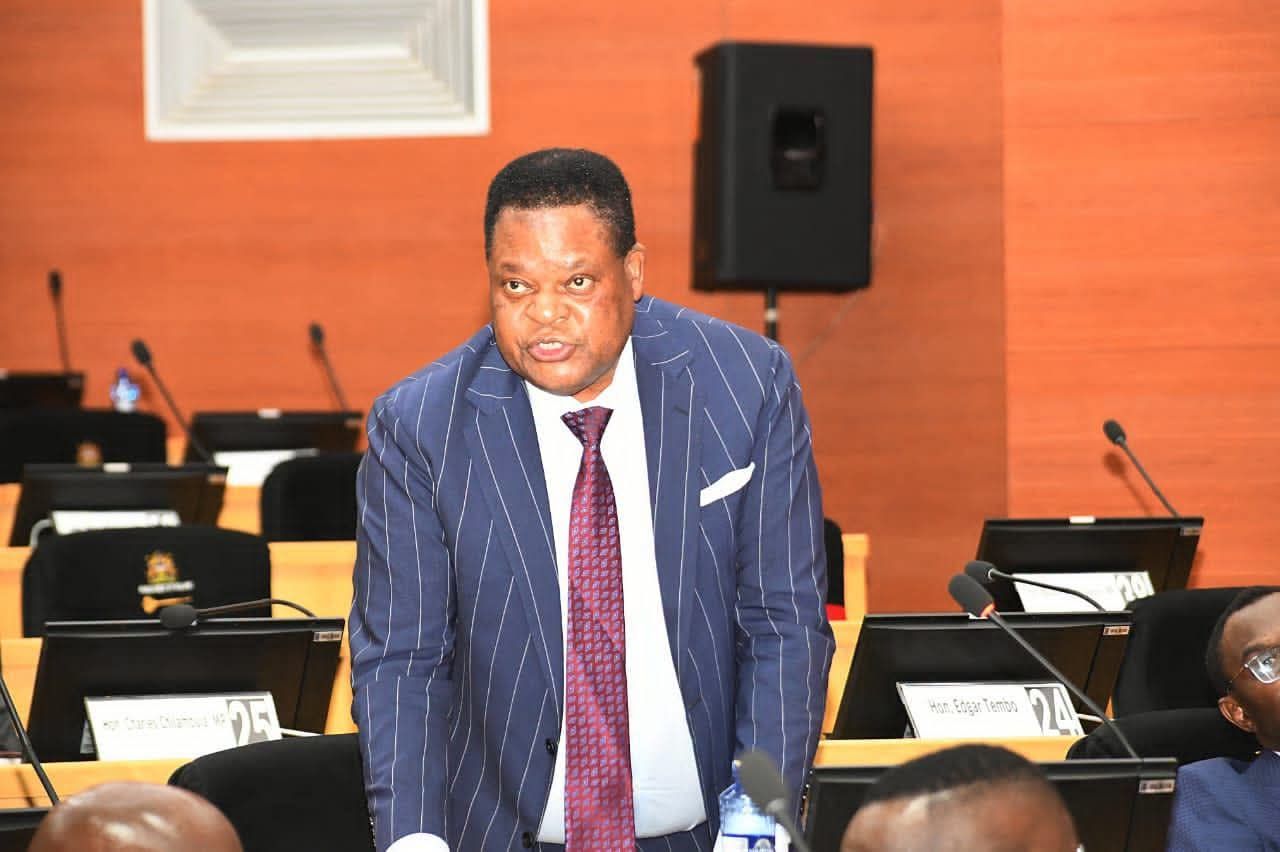
Malawi’s Minister of Homeland Security, Peter Mukhito, recently told Parliament that Members of Parliament (MPs) must stop asking his ministry to build police posts in their constituencies. He insisted that this responsibility lies with lawmakers through local development funds. This buck-passing is a dangerous abdication of executive duty that directly threatens national security and leaves vulnerable communities to fend for themselves. By telling lawmakers to look elsewhere, Minister Mukhito is ignoring a brewing security crisis across both urban and rural constituencies:
In Area 24—a high-density zone battling escalating urban crime—MP Nancy Tembo has been forced to plead for the Area 24 Police Unit to be upgraded to a full police station. Turning a blind eye to Lilongwe’s expanding crime footprint compromises the safety of the capital. At the strategic Zalewa roadblock along the M1 corridor, police officers lack basic mobility to respond to accidents and highway crimes. MP Mary Maulidi Khembo has layout out how a lack of central government infrastructure and vehicles allows criminals to exploit these transit gaps unchecked.
Recent police data reveals an alarming 29 percent spike in criminal offenses in districts like Kasungu. Expecting basic community policing forums to absorb this surge without central brick-and-mortar installations is completely unrealistic.
Rising community anxieties over localized crime sprees have forced representatives like MP Kondwani Nankhumwa to demand systemic explanations from the Ministry of Homeland Security in Parliament.
As a cabinet minister, Minister Mukhito belongs to the executive arm of government. The executive holds the sole constitutional mandate for homeland security, which explicitly encompasses funding, constructing, and staffing police posts.MPs are lawmakers and facilitators of local development via the Constituency Development Fund (CDF). They do not command the national security budget, nor do they possess the executive authority to establish or manage formal law enforcement structures.
Citizens pay taxes to the central government, not to the constituencies, with the expectation that the state will protect them. Forcing resource-constrained communities to build their own police stations constitutes unfair double taxation.
National security cannot be rendered in ad-hoc or piecemeal manner. Relying solely on individual MP initiatives will create vast inequalities, leaving poorer constituencies completely unprotected while wealthier zones secure resources.
Minister Mukhito must publicly retract his statement and acknowledge that internal security infrastructure is a core, non-negotiable function of the Ministry of Homeland Security.
The ministry must design and publish a clear, data-driven national roadmap detailing where and when new police posts will be constructed based on crime rates, not political favour.
Instead of hostile deflections in Parliament, the ministry should create a co-funding model where the central government matches CDF funds allocated by MPs for security infrastructure. The minister must aggressively lobby the Cabinet and Treasury for increased capital investment in internal security, ensuring the police service is structurally equipped to protect every Malawian.
In conclusion, national security is not a favour; it is a fundamental right. Minister Mukhito must stop shifting blame and start building the safe Malawi that citizens were promised.