By Durell Namasani
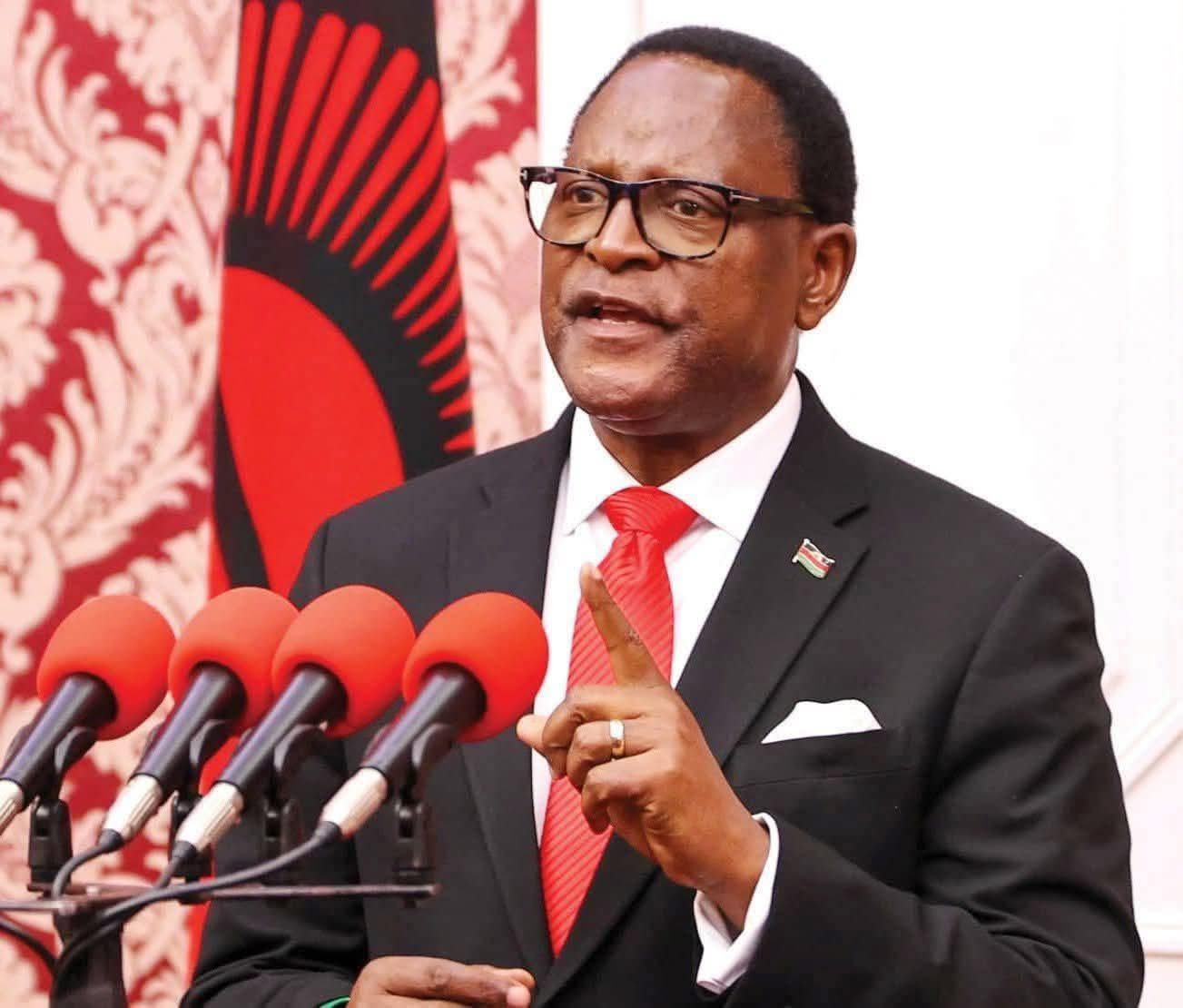
Fresh from the teargas incident where a former head of state was teargassed on his way to lay a wreath at Kamuzu Mausoleum, rumours are now swirling that the DPP regime is preparing to arrest immediate past president Dr. Lazarus Chakwera.
To DPP supporters, this might sound like exciting news. But to anyone who understands the pulse of modern politics, it is a catastrophic miscalculation. By moving to handcuff Chakwera, the DPP is not exercising justice — it is writing the script for his political resurrection. History and contemporary politics are littered with the same predictable pattern: arrest an opposition leader, and you risk turning him into a hero.
If the DPP thinks arresting a former head of state will strengthen their hand, they should look at what happened in Sri Lanka. In August 2025, the government arrested former President Ranil Wickremesinghe — the first former executive president in the nation’s history to be detained. The arrest was widely interpreted as the latest instance of a vindictive political system of witch‑hunts by the opposition. Public reaction was sharply divided, but the damage to the government’s credibility was unmistakable, with many arguing that Wickremesinghe’s role in stabilising the country during the 2022 economic crisis should have spared him such treatment.

Eight months after the DPP returned to power, the electorate is not looking for political revenge. They want fuel on the forecourts. They want the economy back on track. They want bread on the table — not the spectacle of a former head of state being paraded in handcuffs. Voters instinctively recoil when a government that has failed to deliver its manifesto promises turns to victimising the opposition instead of fixing the economy.
The DPP has already shown signs of this: numerous arrests of opposition figures since September have printed the hallmarks of a party intolerant of dissent. But arresting a former president is a step too far. Chisale and Mukhito may feel intoxicated by power, believing the police are theirs to command. But they should never underestimate the mood of Malawian voters. The political pendulum is about to swing right before their eyes — and they will have no one to blame but themselves.