


By Rick Dzida
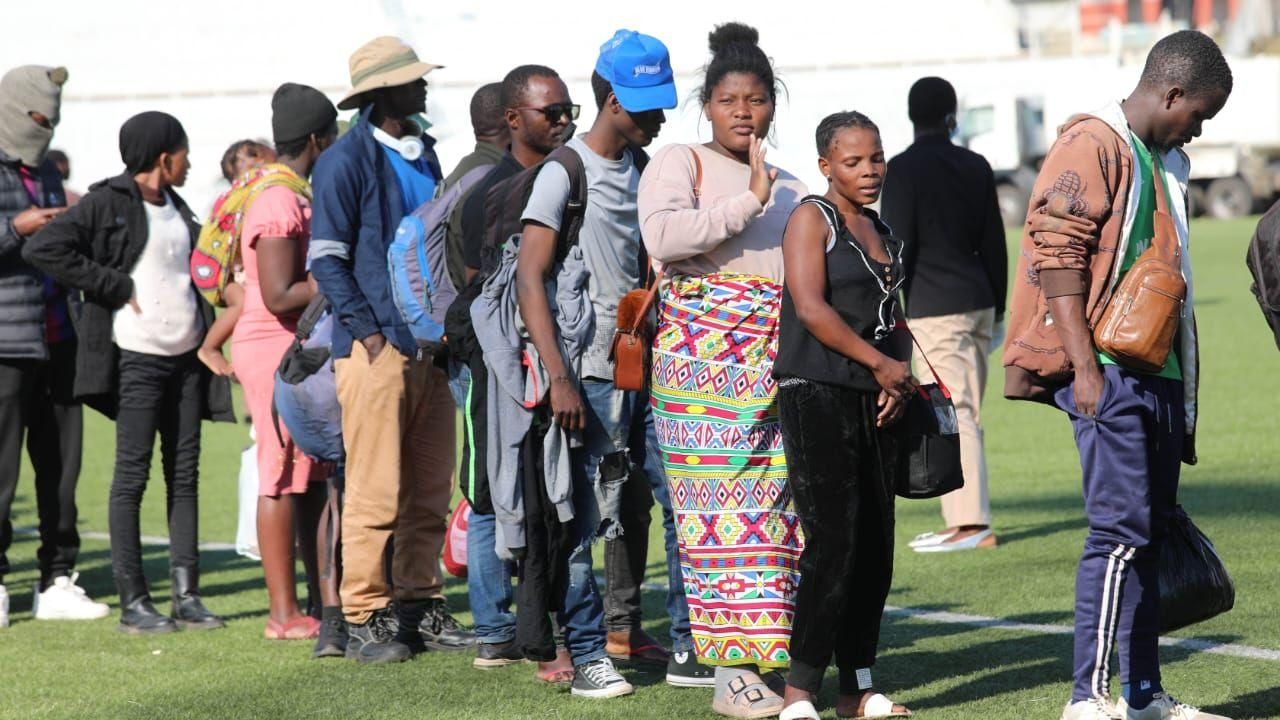
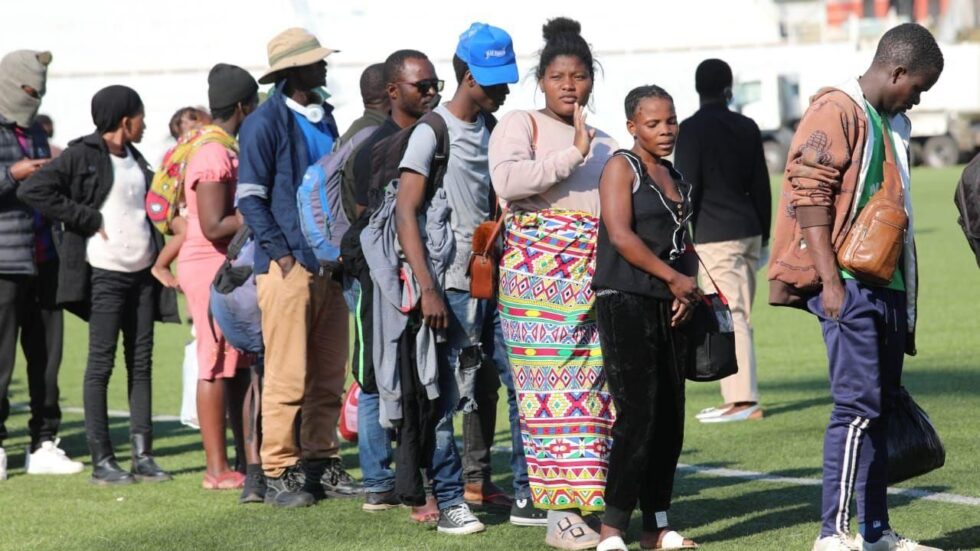
For thousands of Malawians, the border post is not merely a geopolitical line drawn in the dust; it is the threshold between two distinct forms of peril. To remain in the Warm Heart of Africa is often to endure a slow, grinding erosion of human potential beneath the weight of structural poverty. To cross southwards toward the gleaming skylines of Johannesburg, Port Elizabeth, the coastal ports of Durban and Cape Town is to gamble one’s physical survival against the sudden, searing flames of Afrophobia. Trapped between an economy that cannot sustain them and a neighbour that increasingly rejects them, Malawian migrants confront an agonising calculus of survival.
To understand why a human being would willingly walk into a storm of hostility, one must first examine the profound economic asymmetry separating Malawi and South Africa. While both nations grapple with developmental hurdles, they occupy entirely different tiers of the global economy.
Malawi is classified as a low-income, agrarian economy heavily reliant on rain-fed agriculture, which leaves millions vulnerable to climate shocks, currency devaluations, and chronic inflation. Its total annual nominal Gross Domestic Product (GDP) sits at roughly $11.8 billion, translating to a nominal GDP per capita of between $504 and $672. While formal unemployment appears statistically low, this figure masks widespread underemployment and precarious informal subsistence farming. With limited industrial capacity and restricted access to a national electricity grid, nearly half of Malawi’s population—approximately 47.3%—lives below the national poverty line, struggling daily to secure basic caloric and non-food necessities.
In stark contrast, South Africa stands as an upper-middle-income, industrialised powerhouse with an annual nominal GDP of roughly $427.2 billion—more than thirty-five times the size of Malawi’s entire economy. Its nominal GDP per capita ranges between $6,598 and $6,854, giving the average citizen roughly ten times the economic output of their Malawian counterpart. Furthermore, South Africa possesses the most sophisticated financial, logistical, and industrial infrastructure on the continent, alongside widespread basic services such as roughly 90.2% electricity access. Yet, this wealth coexists with a painful domestic paradox: extreme inequality and a stubborn structural unemployment rate hovering between 32.4% and 33.6%. Although extreme poverty (defined as living on less than $3.00 a day) affects about 17.4% of South Africans, roughly 60% still live below the upper-bound national poverty line, creating a volatile socio-economic environment where millions of citizens feel locked out of their country’s prosperity.
The demographic movement between Malawi and South Africa—encompassing both documented residents and undocumented migrants—reflects a stark, one-way current driven by necessity rather than leisure. According to Statistics South Africa (Stats SA) Census 2022 data, approximately 2.4 million international migrants reside in South Africa irrespective of legal status, with Malawi ranking consistently among the top sending nations alongside Zimbabwe, Mozambique, and Lesotho. Independent migration estimates and repatriation figures frequently place the Malawian diaspora in South Africa in the hundreds of thousands—many of whom are undocumented workers employed in domestic service, construction, hospitality, agriculture, and informal trade.
Conversely, the South African presence in Malawi is minuscule and predominantly formal. Population and diaspora records—including data from the National Statistical Office of Malawi—indicate that between 6,000 and 28,000 South Africans reside in or migrate to Malawi. Unlike their Malawian counterparts, South Africans in Malawi are overwhelmingly documented professionals, corporate expatriates, commercial farmers, retirees, and business owners operating within formal legal frameworks. From a purely logical standpoint, the migration of Malawians to South Africa is neither reckless nor opportunistic; it is a rational economic response to desperate structural disparities.
Even in South Africa’s informal sector, a domestic worker, gardener, or artisan can earn in a single month what might take a year to accumulate in rural Malawi. These wages are not merely for individual survival; they are lifelines remitted home to pay school fees, buy fertiliser, fund medical care, and build brick homes for extended families. Migration southwards is deeply etched into regional history. For over a century, Southern African mining and agricultural conglomerates actively recruited Malawian labour to build South Africa’s industrial wealth. Contemporary migration simply follows well-worn generational pathways in search of a functioning labour market. When staying home guarantees stagnation and hunger, crossing the border—even without papers—becomes an act of familial duty and logical self-preservation.
The deepest wound inflicted upon Malawian migrants is not merely physical, but psychological: arriving in a fellow African nation only to face beatings, looting, arson, and death at the hands of fellow Black Africans. Factual analysis reveals that this tragedy is driven by a convergence of historical trauma and contemporary socio-economic failure. As documented by researchers at the African Centre for Migration & Society (ACMS) and the Centre for the Study of Violence and Reconciliation (CSVR), South Africa’s persistent unemployment and failing municipal services have bred deep frustration among impoverished local communities. Rather than directing anger solely at structural governance failures, populist rhetoric and vigilante groups scapegoat African migrants, falsely blaming them for stealing jobs, overburdening clinics, and driving crime.
Scholars note that anti-immigrant hostility in South Africa is rarely directed at white European or wealthy expatriates; it is overwhelmingly targeted at working-class Black immigrants from the rest of the continent. Rooted in apartheid’s legacy of spatial segregation, racial hierarchy, and regional isolation, this phenomenon—termed Afrophobia—dehumanises Black non-nationals as existential threats to scarce township resources. Periodic outbreaks of violence—from the nationwide campaigns of 2008 to recurring waves of door-to-door intimidation, transit camp displacements, and mass repatriations—are exacerbated by weak law enforcement accountability, allowing mobs to act as self-appointed border enforcers.
A common fallacy deployed to excuse xenophobic vigilantism is that undocumented migrants forfeit their rights the moment they cross a border without authorisation. Logically and legally, this argument collapses under the weight of both international law and South Africa’s own constitutional order. Under the Universal Declaration of Human Rights (UDHR), fundamental rights—specifically the right to life, liberty, security of person, and freedom from torture or cruel, inhuman, or degrading treatment—are inherent to human beings by virtue of their humanity, not their possession of a passport or visa. If human rights depended on citizenship or legal documentation, they would be conditional privileges, not universal rights.
Section 2 of the Constitution of the Republic of South Africa explicitly extends the Bill of Rights—including the rights to human dignity (Section 10), life (Section 11), and freedom and security of the person (Section 12)—to “everyone” within the country’s borders, reserving only specific political and citizenship rights (such as voting) for citizens. Even where an individual has violated immigration statutes, the logical and legal remedy rests exclusively with authorised state institutions through due process, fair administrative action, and humane deportation. When private citizens burn homes, loot shops, or take a human life based on nationality or skin tone, they do not enforce the law—they dismantle it, committing grave crimes against humanity while eroding the very constitutional democracy they claim to protect.
In conclusion, until regional economic integration lifts the agrarian plains of Malawi and genuine social justice heals the fractured townships of South Africa, thousands of Malawians will remain suspended in this cruel purgatory—forced to choose between an empty stomach at home and a perilous existence abroad.