


By Rahim Abdul
Governance watchdog Centre for Democracy and Economic Development Initiatives (CDEDI) has called for an immediate reduction in fuel prices, warning that Malawians cannot endure another five years of economic suffering amid a weakening Kwacha and rising cost of living.
CDEDI Executive Director Sylvester Namiwa accused authorities of failing to address what he described as entrenched networks influencing fuel procurement, foreign exchange management and public procurement processes. He argued that unless decisive action is taken, efforts to revive the economy will remain unattainable.
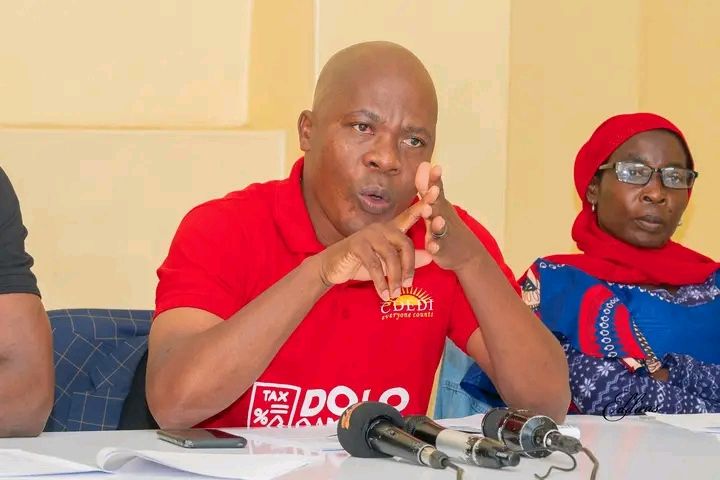
The organisation claimed that some political leaders are turning a blind eye to the economic challenges facing ordinary citizens because certain individuals continue to benefit from the current system. CDEDI said this has undermined public confidence in government institutions.
Namiwa also questioned the role of the National Oil Company of Malawi (NOCMA), alleging that the state owned fuel agency has drifted from its original mandate of maintaining strategic fuel reserves and has instead become heavily involved in fuel trading activities.
According to CDEDI, the country’s foreign exchange shortages are being worsened by the continued use of foreign transporters and insurance companies in fuel importation, a practice the organisation says increases demand for United States dollars while sidelining local businesses.
The watchdog further expressed concern that local fuel transporters are losing business opportunities despite the country having thousands of trucks capable of handling fuel transportation. It alleged that routes previously reserved for Malawian transporters are increasingly being awarded to foreign operators.
CDEDI has proposed alternative solutions to reduce fuel import costs, including greater use of rail and pipeline transport systems. The organisation also urged Malawi to explore regional partnerships, including investment opportunities linked to Angola’s emerging oil refining infrastructure.
The organisation further encouraged government to consider establishing a domestic oil refinery in the long term, arguing that such a move could help strengthen energy security, create jobs and reduce dependence on imported refined petroleum products.
On fuel pricing, CDEDI criticised the Malawi Energy Regulatory Authority (MERA) over the January 2026 fuel price adjustment, which saw prices rise by 41 percent following the reinstatement of the Automatic Pricing Mechanism (APM). The group questioned the continued collection of levies meant to recover historical debts, saying consumers should not bear the burden without greater transparency.
CDEDI urged Malawians to use the Access to Information law to demand accountability from public institutions involved in fuel, electrification and road infrastructure projects. The organisation maintained that fuel prices must be reduced, insisting that citizens are demanding economic relief rather than another prolonged period of hardship.