By Linda Kwanjana
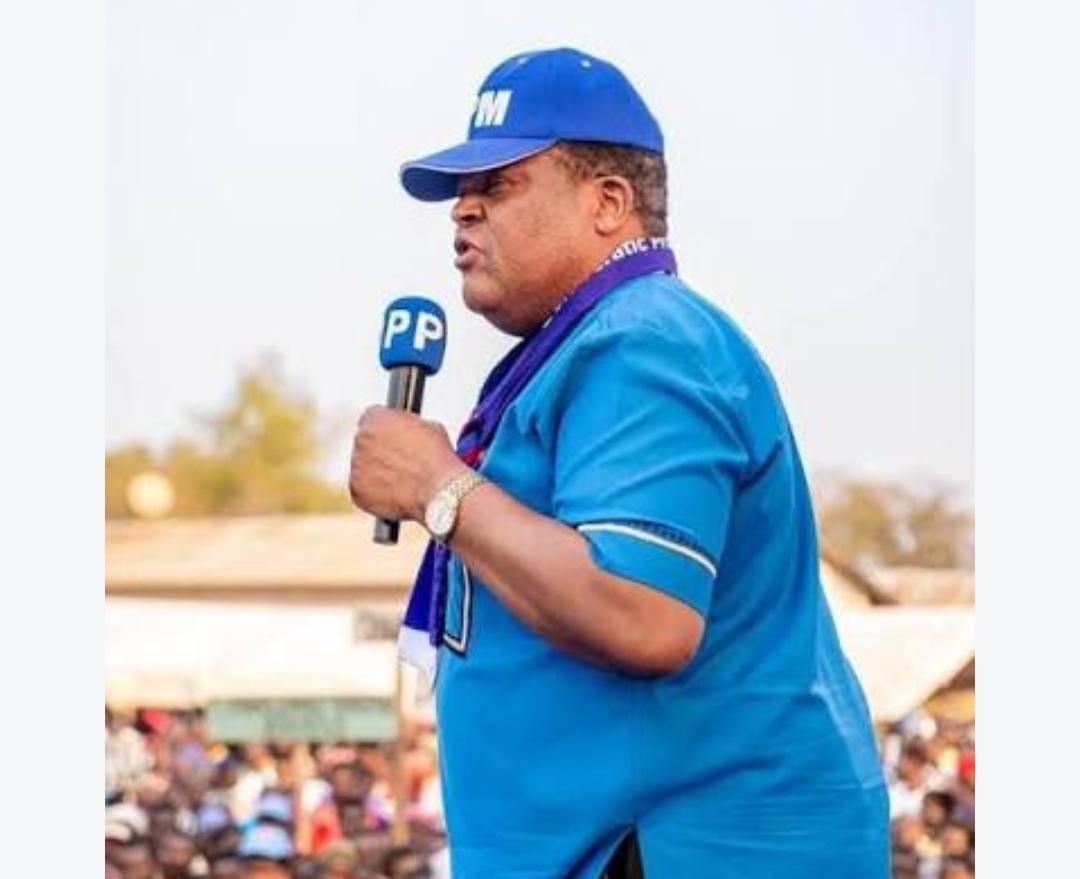
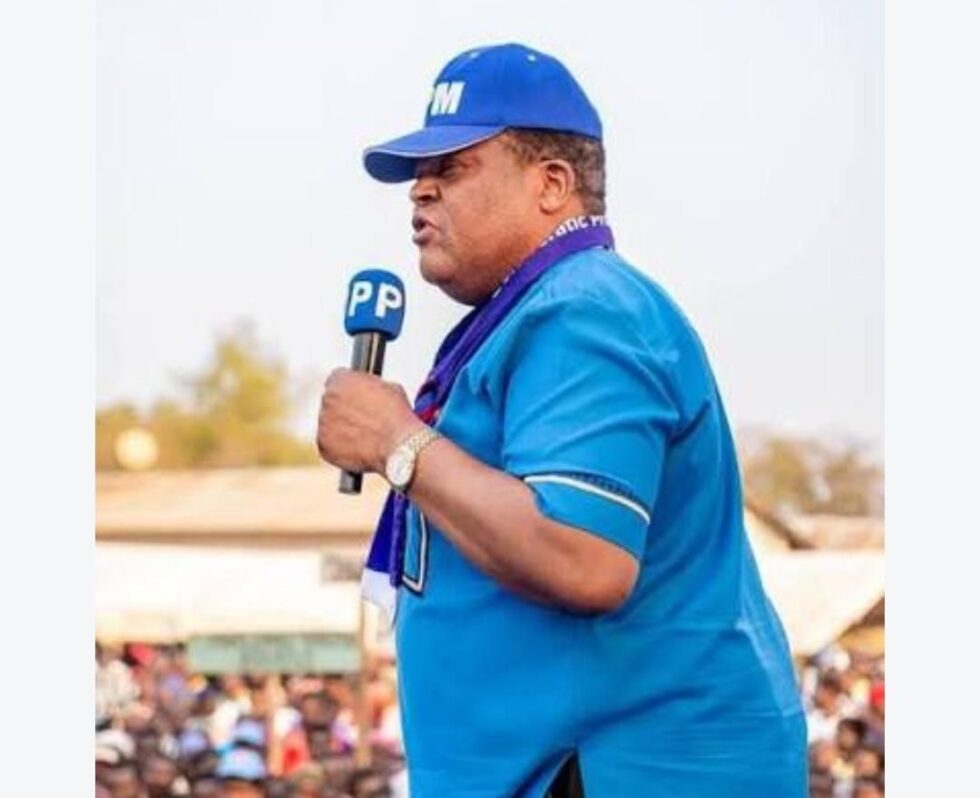
The Democratic Progressive Party has defended Secretary General Hon. Peter Mukhito following remarks by Speaker of the National Assembly Hon. Sameer Suleman during his September 2, 2026 press briefing.
The DPP says Mukhito was not attacking Parliament. He was defending constitutional order and the separation of institutional mandates in Malawi’s governance.
The DPP affirms that Parliament has clear powers to scrutinise government, summon officials, demand documents, question expenditure and hold the Executive accountable, and that this power must be exercised firmly.
However, oversight is not the same as criminal investigation. When the Speaker said Parliament should “behave like police especially on following up public resources,” he crossed an institutional line.
The Malawi Police Service investigates crime, the Anti-Corruption Bureau investigates corruption, the Auditor General audits public finances, and the Director of Public Prosecutions exercises prosecutorial authority. Parliament’s role is to hold these bodies accountable, not to appear to replace them, and that is the principle Mukhito defended.
The Speaker also announced that parliamentary committees would examine NOCMA fuel transactions, electricity, passports, pensions, prisons, mining, agriculture and tobacco.
The DPP acknowledges these are legitimate matters of public concern and that Parliament has every right to ask hard questions. But such scrutiny must follow parliamentary procedure, clear committee mandates, fairness, and respect for institutions already entrusted with investigative responsibilities. It must never create the impression that institutions are competing for authority, nor appear driven by personalities, political disagreements or private interests.
This is especially critical with sensitive issues like tobacco, given public debate around Eastbridge and individuals previously associated with it.
Whether those allegations are proved or disproved, public office holders have a higher duty to ensure processes are visibly impartial, with transparency beyond doubt and procedure beyond reproach.
Oversight must never look personal, selective or retaliatory, which is why Mukhito’s intervention was necessary.
The DPP says it supports a strong Parliament and committees that interrogate public expenditure, expose wrongdoing and demand accountability. What it does not support is the blurring of constitutional responsibilities.
No institution becomes stronger by assuming another’s mandate, and no democracy is strengthened when Parliament appears to be investigator, prosecutor and overseer at the same time. Legitimate correction should not be treated as an attack. The same constitutional discipline applies to everyone: Ministers, MPs, law-enforcement agencies and the Speaker himself.
Therefore, the DPP rejects attempts to portray the Secretary General’s statement as hostility toward parliamentary oversight. It was a call for each institution to operate within its mandate: Parliament to scrutinise, inquire and recommend; Police to do police work; ACB to do anti-corruption investigations; the Auditor General to audit; and prosecutors to prosecute. That is constitutional government, not weakness.
The Speaker still has an opportunity to clarify by reaffirming Parliament’s scrutiny role and by referring allegations of criminality or corruption to the legally mandated institutions. Such clarification would strengthen, not weaken, the Speakership.
In sum, the DPP’s position is about principle, not personality. It is about protecting Parliament by protecting the Constitution, ensuring public institutions cooperate instead of compete, and reminding all who exercise public power that authority comes with boundaries. Malawi does not need institutions fighting over power.
It needs institutions that respect the law, perform their mandates, and work together for the people. That is the position Hon. Peter Mukhito defended, and on that principle the DPP stands firm.