



By Burnett Munthali
Malawi has renewed its commitment to promoting transparency, combating corruption and strengthening public accountability following the launch of its third National Action Plan under the Open Government Partnership (OGP), covering the 2026–2029 period.
The government expects the new action plan to promote openness in public institutions, encourage responsible leadership and create greater opportunities for citizens to participate in governance and demand accountability.
Speaking to local media, Minister of Justice Charles Mhango described the action plan as an important instrument for national development, saying it will help strengthen public institutions, improve governance and advance accountability.
Mhango said the framework places citizens at the centre of governance reforms and seeks to address key challenges affecting institutional performance, transparency and sustainable development.
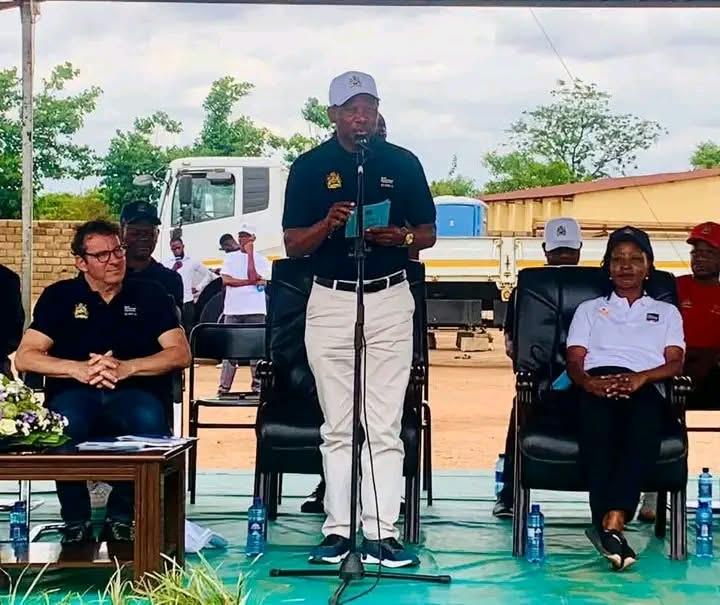
He explained that the 2026–2029 action plan is built around three main pillars: strengthening anti-corruption systems, managing the digital space and protecting the environment.
Mhango said the anti-corruption pillar seeks to reinforce mechanisms for promoting integrity, exposing wrongdoing and strengthening accountability across public institutions.
He said the digital governance component recognises the growing role of technology in public administration and the need to manage the digital space responsibly while promoting transparency and access to information.
The minister said environmental pillar, meanwhile, seeks to integrate sustainability and environmental protection into the country’s broader governance agenda, particularly in the responsible management of natural resources.
He said the three priority areas extend the governance reform agenda beyond conventional public-sector accountability to include emerging challenges linked to technological development and environmental sustainability.
Mhango said OGP provides a platform for governments and civil society organisations to work together in promoting transparent, participatory and accountable governance.
For Malawi, the implementation of the latest action plan will be key to determining whether the commitments made during its launch translate into measurable reforms and tangible improvements in public service delivery.
The 2026–2029 framework therefore provides an opportunity to strengthen public confidence in government institutions by making transparency, accountability and citizen participation practical elements of public administration.