


By Rahim Abdul
Mosque committee members, community leaders, women and youth in Machinjiri Area 13 on Saturday participated in a leadership training programme aimed at strengthening governance, accountability and effective service delivery within mosques and communities.
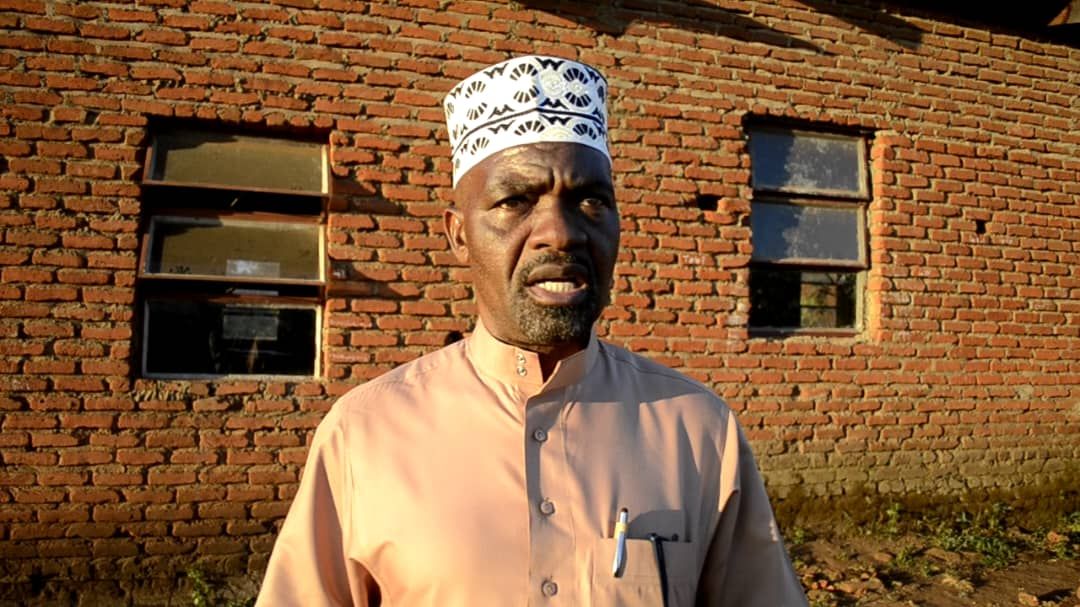
The training was facilitated by Amir Jaafar Kawinga, Director of the Muslim Forum for Democracy and Peace (MUSFORD) and Ambassador for Muslim-Christian Relations, who emphasized the need for leaders to understand their roles and responsibilities after being elected into office.
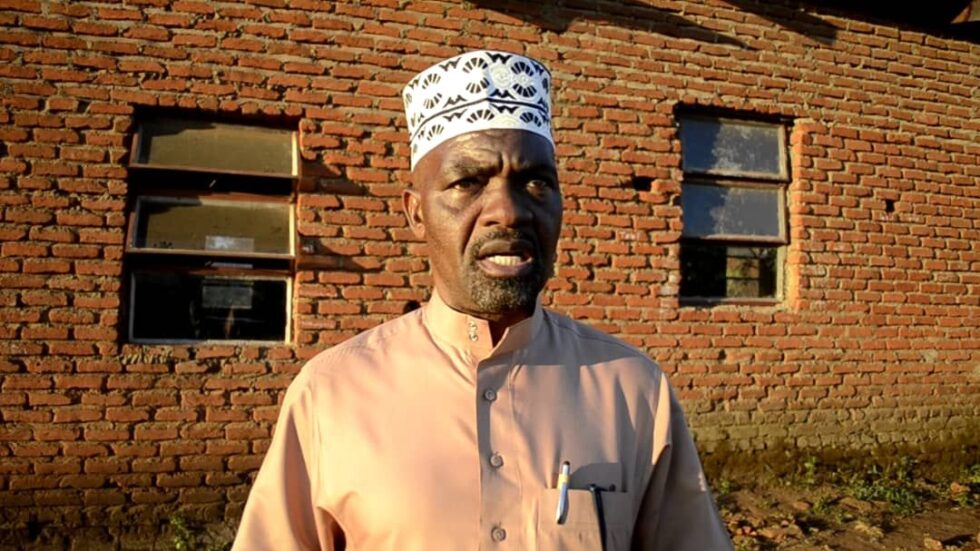
Kawinga said many communities and mosque committees struggle because individuals are entrusted with leadership positions without receiving adequate training on how to effectively execute their duties. He noted that leadership is not merely about holding a position but about serving people with integrity, accountability and commitment.
He commended the people of Machinjiri for organizing the training and praised the overwhelming participation, describing it as evidence that community members are eager to learn and improve their leadership capacity.
According to Kawinga, one of the major challenges affecting mosque committees is a lack of understanding of leadership roles, which often results in office bearers performing duties that belong to others. He said such confusion can negatively affect decision-making and service delivery.
The training focused on leadership principles, responsibilities of office bearers and the teachings of Sharia on leadership. Participants also explored qualities expected of effective leaders and how these principles can contribute to the growth of their institutions.
Kawinga further highlighted the importance of inclusive leadership, saying discussions covered the role of women in leadership and the need to create opportunities for women, men and young people to actively contribute to community development.
The sessions also addressed financial accountability and transparency. Kawinga encouraged mosque committees to establish proper financial management systems, including maintaining records, opening bank accounts and ensuring members are informed about how community resources are utilized.
He stressed the importance of budgeting and strategic planning, saying institutions that operate without clear plans often struggle to achieve sustainable development goals. He urged committee members to embrace professionalism in the management of mosque affairs.
As part of efforts to improve service delivery, participants were encouraged to establish specialized committees responsible for welfare, disaster response, disability inclusion, sanitation, youth and women’s affairs. Kawinga said such structures help ensure that the needs of all community members are addressed.
Drawing inspiration from Prophet Muhammad, Kawinga reminded participants that good leadership should be guided by justice, honesty, consultation and service to others, values that remain relevant in modern society.
Speaking during the event, Chief Jalasi described the training as crucial for the development of mosques, saying communities should focus on strengthening local leadership and promoting self-reliance rather than waiting for assistance from external donors.
One of the participants, Fatima Magalasi, said the lessons had inspired community members to change their mindset and conduct, regardless of whether they hold leadership positions. She said meaningful development can only be achieved when both leaders and ordinary members embrace responsibility and work together for the common good.