By Burnett Munthali
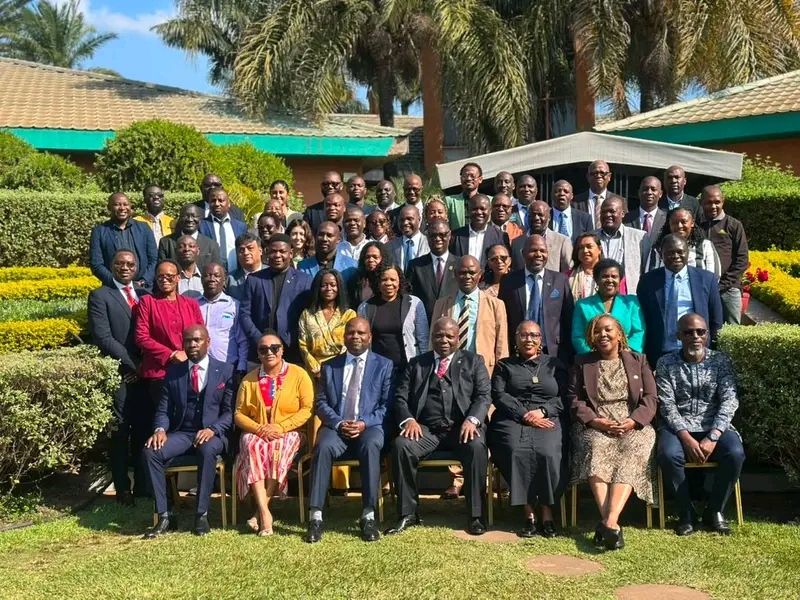
Leaders and experts from across Southern Africa have converged in Lilongwe this week, united by a shared worry that the region is losing too much to climate shocks.
They came for a regional dialogue on disaster loss and damage, hoping to turn frustration into plans that actually reach families when floods, droughts and storms strike.
For Malawi’s Secretary to the President and Cabinet, Justin Saidi, the timing could not be more urgent.
He told the gathering that the limits of adaptation are now plain to see, and the cost in lives, livelihoods and lost ecosystems can no longer wait.
“Each and every year we look for money,” Saidi said, his voice steady but weary.
“And each year we fall short when people need help the most,” he continued.
He said he hopes this meeting will finally give the region a clear plan to support victims when disaster hits.
From South Africa, Pumeza Tyali, who coordinates disaster risk and international engagement, echoed the call for better preparation.
She said she expects member states to leave Lilongwe with a workable way to collect and share data for risk-informed planning.
Tyali pointed to one stubborn problem that keeps coming up in every crisis: fragmented data.
“Right now the information sits in different sectors, and it’s hard to bring it together,” she explained.
She added that without a single picture of risk, countries struggle to make their case for support when disaster strikes.
Her message was simple: pull the data together from every source so no one is left out when it’s time to claim help.