By Apengie Apengire
Malawi’s Minister of Sports, Alfred Gangata, has once again found himself at the center of public ridicule after a series of awkward public appearances that many citizens say reflect poorly on the standards expected of a cabinet minister.
The latest incidents, occurring within weeks of each other, have reignited debate about the qualifications, communication skills, and preparedness of some political appointees entrusted with representing the country at high-profile national events.
The first episode occurred a few weeks ago during a public engagement where Gangata attempted to greet attendees in English.
His opening line, “My people football, good evening. Your not answer with power,” was delivered with confidence but left the audience confused. The phrase quickly circulated on social media, becoming fodder for memes and commentary about the minister’s command of the English language.
While some Malawians took the moment in stride as a harmless slip, others argued that it reflected a deeper problem: the expectation that ministers should be able to communicate clearly and professionally in public settings.
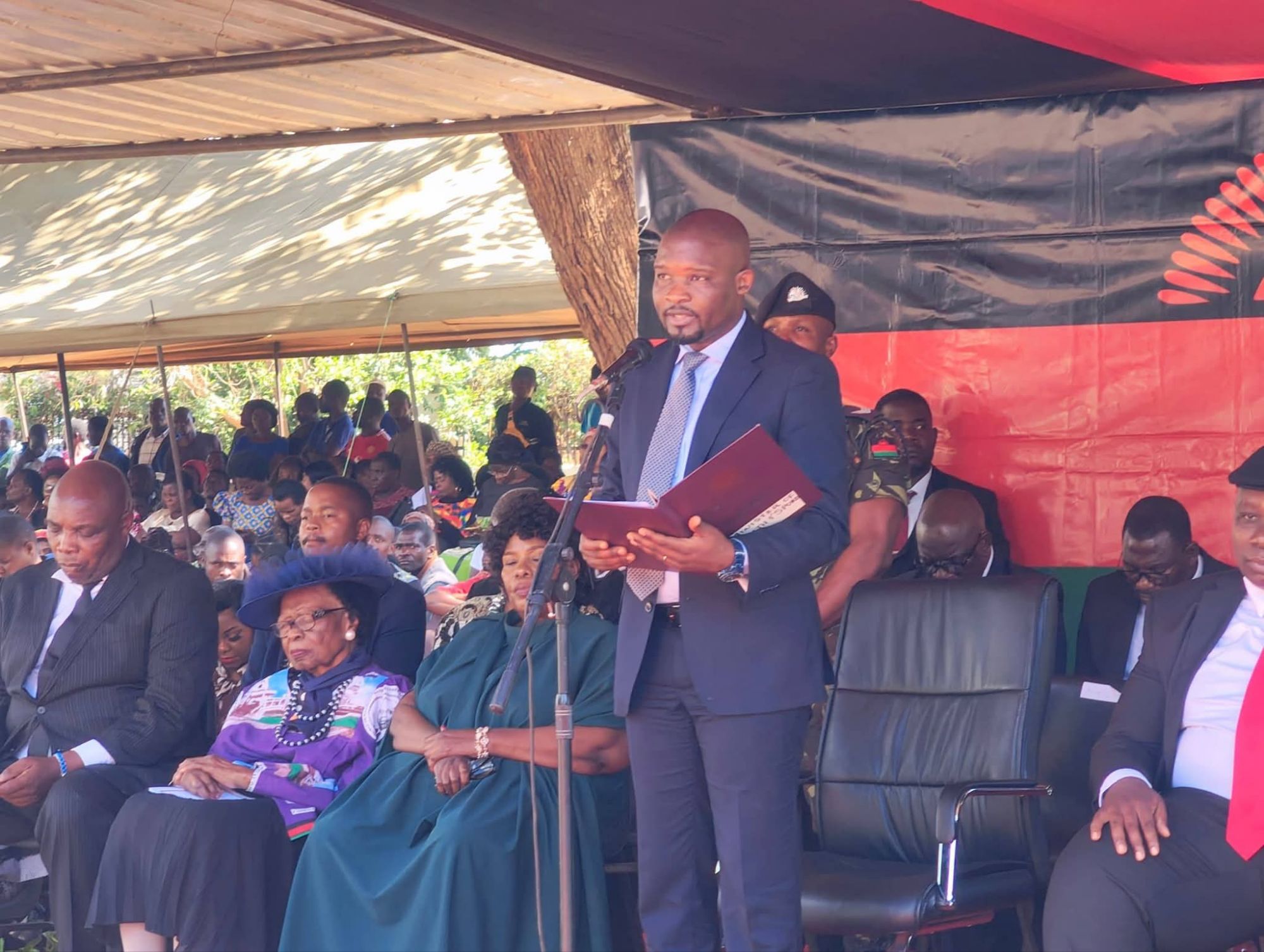
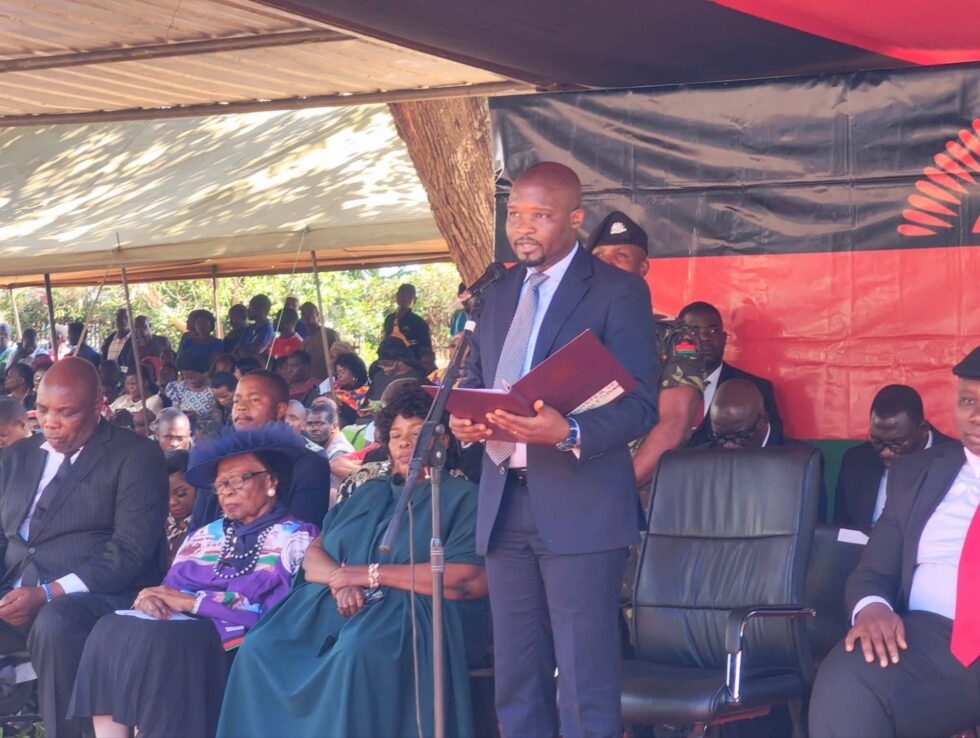
The second incident took place during Kamuzu Day commemorations, a function of significant national importance. Gangata was delegated to address the gathering, yet he struggled to read from a prepared speech. Witnesses noted that despite having a written text in front of him, he stumbled over words, mispronounced key terms, and appeared visibly uncomfortable throughout his remarks.
The moment was jarring for many in attendance, given the solemnity and historical weight of the occasion. Kamuzu Day is not a casual event; it is a national commemoration that demands dignity, clarity, and competence from those chosen to speak on behalf of the government.
These back-to-back missteps have led to a growing chorus of criticism.
On social media and in public discourse, citizens have questioned why Gangata was assigned to represent the government at such a major function if he was not comfortable with public speaking. Others have gone further, suggesting that the minister should return to private English lessons or undergo media and public speaking training before being assigned to future engagements.
The sentiment is not necessarily about language itself, but about preparedness and respect for the audience. When a minister fumbles through a speech, it can be read as a lack of respect for the office, the event, and the people being addressed.
It is important to separate personal dignity from public performance. Gangata, like any public figure, deserves to be treated with basic respect. However, holding public office comes with expectations. A minister is not just an administrator behind closed doors; they are the face of government in public spaces.
When that face struggles to articulate basic ideas, it undermines confidence in the institution they represent. In sports, a portfolio that requires constant engagement with athletes, sponsors, international bodies, and the public, communication is not optional. It is central to the job.
The issue also speaks to a broader challenge in Malawi’s political culture: the practice of delegating high-profile functions to individuals based on political loyalty rather than competence in public engagement. If the primary criterion for selecting a speaker at a national event is party affiliation rather than communication ability, the government risks repeatedly exposing itself to embarrassment. It also denies the public the chance to see its leaders articulate policy and vision clearly.
There is no shame in admitting difficulty with public speaking. Many capable leaders around the world have struggled with it and improved through coaching.
What is problematic is the apparent absence of preparation and support. If Gangata was given a written speech, the least that should have been done was a rehearsal and a brief coaching session to ensure he could deliver it with confidence. That this did not happen raises questions about the internal processes within the ministry and the office of the presidency regarding how representatives are chosen and prepared for national duties.
The public reaction, while at times harsh, is also a signal that Malawians expect more from their leaders.
In an era where every speech is recorded and shared instantly, the standard for public communication has risen. Citizens are no longer passive recipients of government messaging; they are active critics who judge not only what is said but how it is said. For a minister, a poorly delivered speech can overshadow the message entirely.
This is not a call for ridicule, but for accountability and improvement.
Gangata has an opportunity to address the criticism constructively. Investing in public speaking training, working with communication advisors, and choosing to delegate speaking roles when necessary would show responsiveness to public concern. It would also demonstrate that the minister understands the weight of representation.
Ultimately, the Gangata episodes are about more than one minister’s speaking ability. They are a test of how seriously the government takes its public image and the competence of its appointees.
If Malawi wants to project professionalism at home and abroad, it must ensure that those sent to speak for the nation are equipped to do so. Anything less risks turning serious national functions into moments of avoidable embarrassment.